Archaeologists Discover Unique Bronze Age Neck Rings in Swedish Grave Dating Back 2,500 Years
Archaeologists Uncover Rare Bronze Neck Rings in Sweden
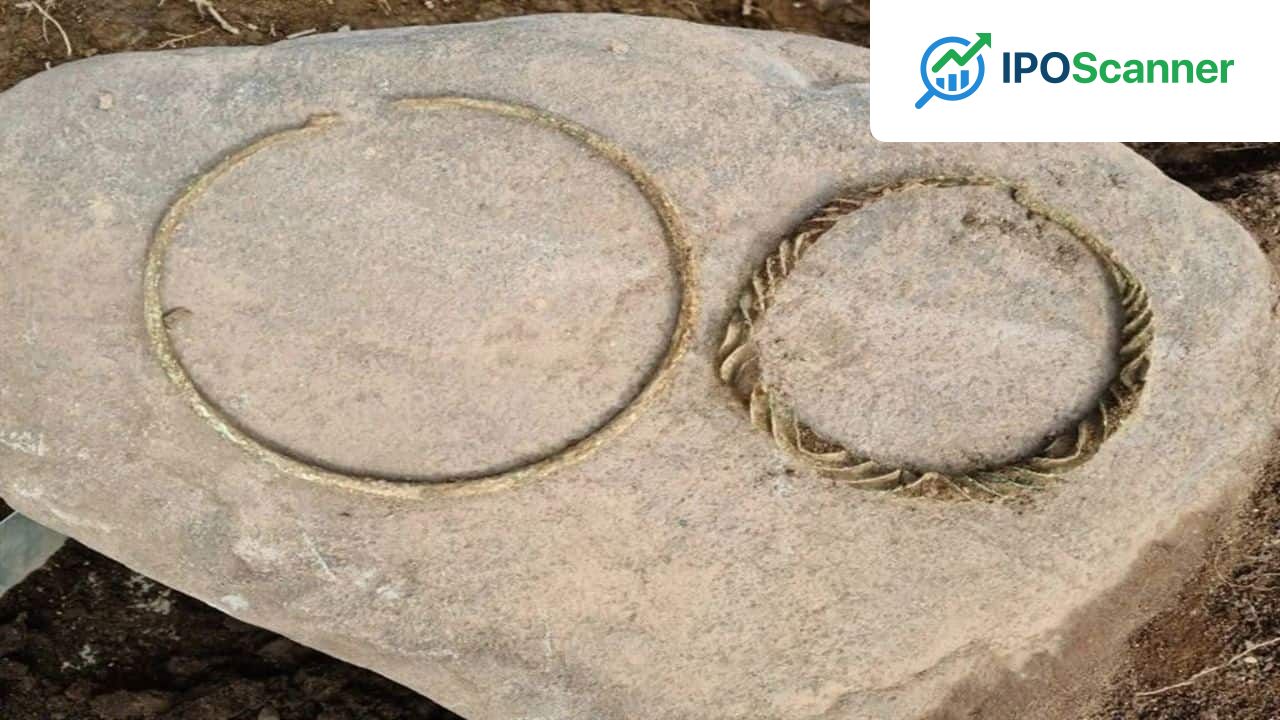
Archaeologists in Sweden have made a significant discovery in the town of Marby, near Norrköping, uncovering two rare bronze neck rings believed to be over 2,500 years old. The rings, known as wendel rings, were found during an excavation in preparation for a planned housing development.
The ornaments date back to the Late Bronze Age, a period spanning from approximately 1100 BC to 500 BC. Researchers discovered the rings lodged between stones near the eastern edge of a grave that contained cremated human remains. According to archaeologists, the rings were placed separately from the burials, suggesting they may have been deposited as ritual offerings rather than personal possessions buried with the dead.
The discovery was announced by Arkeologerna, the archaeology division of Sweden's National Historical Museums. Project manager Alf Ericsson described the find as highly unusual, as wendel rings have been found before, but typically in hoards or wetland deposits such as bogs and marshes. Finding two of them together inside a grave monument containing human remains is exceptionally rare.
Read also: Kumar Mangalam Birla to Address Concluding Function of RSS Training Camp
The rings are distinguished by their twisted bronze design, with alternating right and left spirals. One ring is larger and thinner, while the smaller example is thicker and more heavily decorated. Archaeologists say both objects are remarkably well preserved despite their age. Previous discoveries suggest only about ten similar rings have been found in the Östergötland region.
Researchers believe the ornaments were likely worn by women and may have served as symbols of status and identity. Archaeologists say neck rings such as these were likely worn as prestigious ornaments during the Bronze Age. The cremated human remains found at the site will now be examined in the hope of learning more about the people buried there and the context in which the rings were placed.
The discovery forms part of a wider excavation in Marby, where researchers have also uncovered traces of settlements, rock carvings, house remains, and burnt stone mounds. Together, the finds suggest the area was an important Bronze Age landscape that was used over a long period of time.
More in General

Kumar Mangalam Birla to Address Concluding Function of RSS Training Camp

The Cost of Healthcare: Why Predictability in Medical Inflation is Crucial for Health Insurance

Former Google Executive Warns AI Risks Stem from Human Misuse, Not Technological Limitations