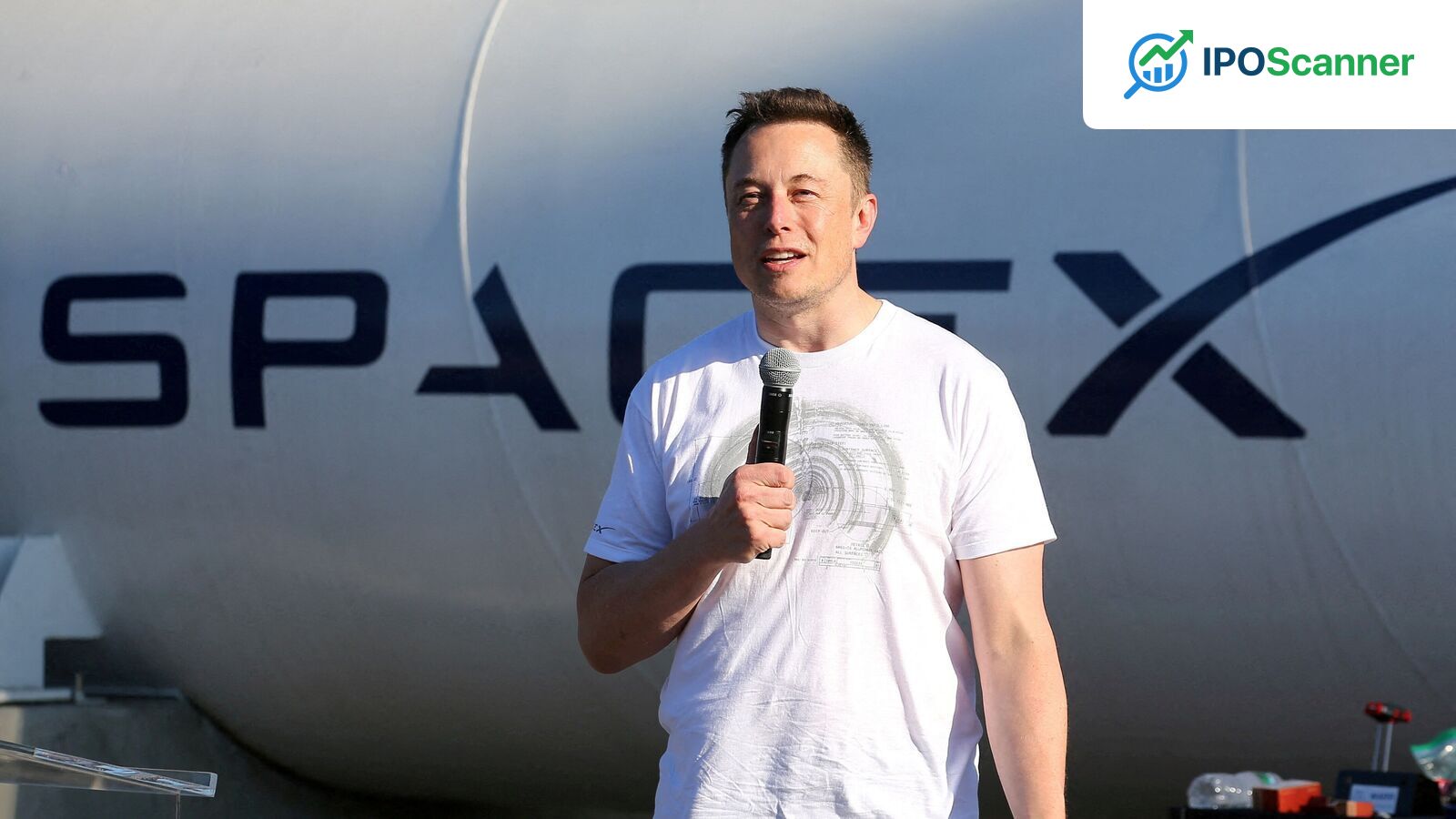
Anthropic, SpaceX, and OpenAI Face Uncertain Market Outlook
SpaceX and AI Firms Prepare for Massive IPOs, Raising Concerns About Market Volatility
In a move that promises to be the biggest stock market debuts ever, SpaceX is reportedly seeking to raise $75 billion from investors through its initial public offering (IPO), which is expected to begin trading on the Nasdaq exchange on June 12th. The IPO is part of a series of massive listings that could add as much as $4 trillion to the market value of listed American companies in a matter of months.
| Company | IPO Size (Estimated) |
|---|---|
| SpaceX | $75 billion |
| Anthropic | $60 billion |
| OpenAI | $60 billion |
Anthropic, an artificial-intelligence lab, filed draft paperwork for its IPO on June 1st, while OpenAI is expected to follow soon. The two firms are seeking to capitalize on the growing interest in AI and its applications. Together, the three giga-IPOs may add as much as $4 trillion to the market value of listed American companies in a matter of months.
The massive listings have raised concerns about the ability of the stock market to handle the influx of new shares. Steve Sosnik, chief strategist at Interactive Brokers, one of the world's biggest online trading platforms, has warned of the "existential risk" the listings pose. A particular worry is that compilers of stock market indices will grant the gigantic trio fast-track entry to their benchmarks, prompting tracker funds with trillions of dollars in assets to buy the newly minted shares days after they are issued.
However, experts believe that America's extraordinary stock market will be able to absorb the massive listings. The current record for capital raised by a debut listing is held by Saudi Aramco, which in 2019 garnered $29 billion (approximately $38 billion in today's money) when it floated in Riyadh. SpaceX, Anthropic, and OpenAI are collectively targeting $200 billion, which is a rounding error in America's stock market. Firms in the broad Russell 3000 share index have a total market value of $79 trillion, while those in the narrower S&P 500 index of big companies are worth $69 trillion.
The addition of these firms to public markets will unfold over years rather than days, as insiders and early investors are subject to lock-up provisions in the IPO prospectuses. These provisions will prevent company insiders and early investors from selling their existing stakes and raising the free float. Over time, however, these will expire and trillions of dollars' worth of new shares will come to market.
| Company | Initial Free Float (%) | Lock-Up Period (Days) |
|---|---|---|
| SpaceX | 4% | 366 |
| Anthropic | ||
| OpenAI |
Read also: Treasury Yields Experience Largest Increase in Two Weeks Following Release of Labor Market Data
The initial free float of SpaceX's shares will be around 4%, while insiders will be subject to a lock-up period of 366 days. The lock-up provisions will expire more quickly for the remaining shares, with insiders able to sell 20% of their stakes after the first quarterly report and another 10% if the shares are then trading 30% or more above their IPO price.
While the addition of these firms to public markets will be gradual, it may not be inconsequential. History suggests that those who buy the resulting shares stand a good chance of disappointment, with the average post-IPO return of stocks listed between 1980 and 2024 being 20 percentage points less than the broader market over the three years after its first trading day. Firms valued at over 40 times their revenue underperformed by 58 percentage points, which could be a concern for SpaceX, which is valued at over 90 times its revenue.
The massive IPOs have also raised concerns about market volatility, with some experts warning that they may herald a correction in the market. The last surge in listings, in 2020 and 2021, came just before a bear market, and previous IPO booms have been followed by far bigger slumps. Today, if the giga-trio underperforms, it may even precipitate a correction, particularly given the growing interest in AI and its applications.
Ultimately, the stock market may need to prepare for a capital diet in the years to come, as the tech behemoths slow down their share buy-backs and instead reinvest their profits to develop AI.
Investor Takeaway
Investors should be cautious of the potential market impact of these massive IPOs.
More in Market
SpaceX Seeks Record $75 Billion IPO, Potentially Positioning Elon Musk as the World's First Trillionaire

Treasury Yields Experience Largest Increase in Two Weeks Following Release of Labor Market Data

US-Iran Tensions Spark Uptick in Oil Prices Amid Global Market Decline