Anchored Shipping: Navigating the Challenges of a Turbulent Maritime Market
Global Oil Supply in Crisis as Strait of Hormuz Remains Closed
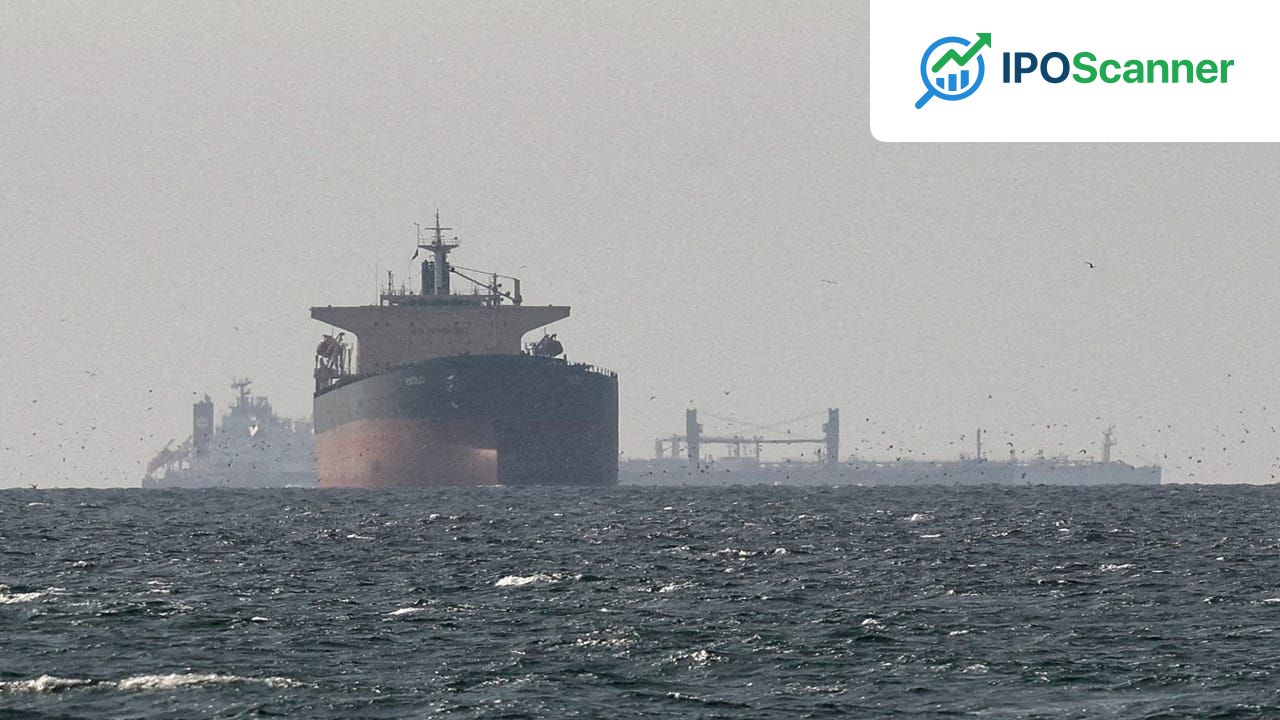
For eight weeks, the world has watched one of its most critical maritime chokepoints grind to a near-standstill, and the consequences are only beginning to be felt. The closure of the Strait of Hormuz — triggered by the US-Israeli strikes on Iran and Tehran's retaliatory shutdown of the waterway — has set off what many in the energy industry are calling the biggest oil supply shock in recorded history.
The scale of the disruption is mind-boggling. Gulf crude production has collapsed to around 11 million barrels per day from a pre-conflict level of 25.4 million, a drop of roughly 57 percent. Available tanker capacity in the region has shrunk by half, creating a 130-million-barrel logistics gap. Goldman Sachs analysts have warned that even a full reopening would bring only a partial recovery, with field-level constraints, damaged infrastructure and idled wells complicating any return to normal output.
Global Inflation and Growth Forecast Downgraded
Read also: Treasury Yields Experience Largest Increase in Two Weeks Following Release of Labor Market Data
The human cost is mounting alongside the economic one. More than 20,000 seafarers remain trapped aboard vessels inside the Gulf, with shipowners conducting daily welfare checks and drawing up evacuation plans. Finding replacement crews is both difficult and expensive, and no government has offered the shipping industry any meaningful reassurance about safe passage.
Meanwhile, freight rates have surged, insurance premiums have spiked, and shipping lines are levying emergency surcharges. Oxford Economics has revised its global inflation forecast upwards by almost a full percentage point and cut its 2026 global growth projection from 2.8 percent to 2.4 percent, with a downside scenario of just 1.4 percent if conditions worsen.
| Forecast | Original | Revised |
|---|---|---|
| Global Inflation | 2.5% | 3.5% |
| Global Growth | 2.8% | 2.4% |
| Downside Scenario | 1.6% | 1.4% |
Food Security and Economic Consequences
Read also: US-Iran Tensions Spark Uptick in Oil Prices Amid Global Market Decline
The food security dimension is equally alarming. Around 36 percent of the world's liquefied petroleum gas — a critical input for fertiliser production — once flowed through Hormuz. With that supply now choked, fertiliser prices are rising, and agricultural output is expected to suffer well into next year. QatarEnergy's damaged LNG facilities alone represent a three- to five-year rebuilding challenge, according to Lloyd's Register CEO Nick Brown.
Asian economies have borne the earliest and sharpest pain. Countries such as the Philippines have declared national energy emergencies. Thailand and Pakistan face fuel shortages. Poorer nations across South-East Asia, unable to build up reserves like China and Japan have, are rationing supplies. Wall Street analysts and US government officials are now openly modelling a scenario in which oil prices breach $200 a barrel.
Recovery Will Take Time
Unfortunately, even if the Strait is opened, it will be a while before the world returns to normal. With roughly 2,000 vessels stranded and only a finite capacity to sequence them out once the strait reopens, industry experts estimate it will take months just to clear the backlog — and that is before accounting for the continuing flow of inbound traffic. Liner networks could take more than six months to meaningfully rebalance.
The crisis will outlast its immediate cause. The world did not build its energy and trade architecture with a closed Hormuz in mind, and rebuilding confidence in that corridor — once it is open again — will be a long and expensive affair.
Investor Takeaway
Investors should be cautious of potential disruptions in the global oil supply chain.
More in Economy

Treasury Yields Experience Largest Increase in Two Weeks Following Release of Labor Market Data

US-Iran Tensions Spark Uptick in Oil Prices Amid Global Market Decline

MoSPI Releases Uniform Norms for DDP Estimates with 2022-23 Base Year

