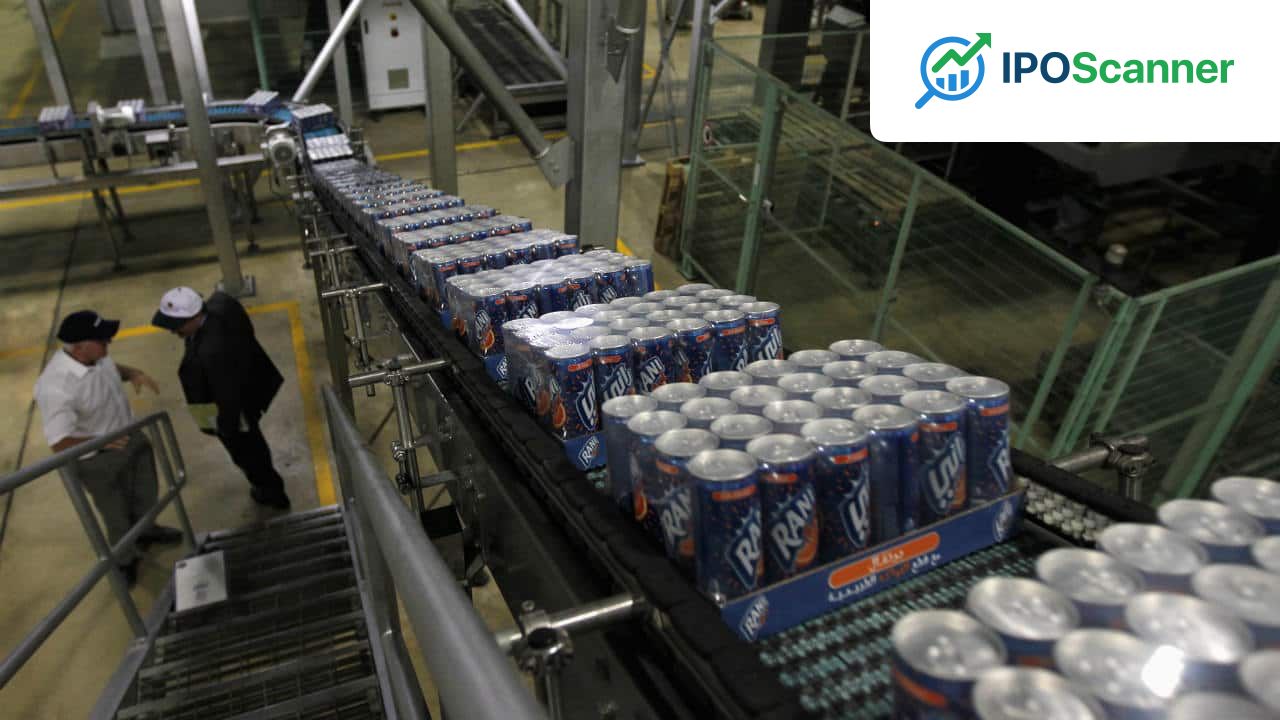
Aluminium Can Shortage Hits Beverage Industry, Diet Coke Among Affected Brands
Aluminium Can Shortage Hits Beverage Industry: A Miscalculation of Demand or Supply Constraint?
The ongoing aluminium can shortage, which has pushed Diet Coke off retail shelves and online platforms, is largely the result of a miscalculation of summer demand rather than a constraint in metal supply. According to a source in the domestic can-making industry, domestic manufacturers Canpack and Ball Corporation, the leading manufacturers in the Indian aluminium beverage can market, have ramped up output in response to the shortage.
Both Canpack and Ball Corporation significantly depend on recycled aluminium for can production, with up to 80 percent dependency, insulating them from any supply shock of metal prices or shortage. While their units suffered some hiccups during the initial days of gas shortage, sources said that production is in full swing, though the cost of the cans has increased.
The shortage is attributed to a sudden spike in demand this year, which Coca-Cola did not anticipate. There is a gap between the installed production capacity of cans and the demand. Availability of the metal is not the root cause of the problem because can makers can source from across the world and 60-70 percent of recycled cans goes into production.
Read also: Treasury Yields Experience Largest Increase in Two Weeks Following Release of Labor Market Data
| Company | Production Capacity | Installed Capacity in 2024 | Demand in 2024 |
|---|---|---|---|
| Canpack | 1.5 billion | 1.2 billion | 1.8 billion |
| Ball Corporation | 2.5 billion | 2.0 billion | 3.0 billion |
Note: The above table shows the production capacity and installed capacity of Canpack and Ball Corporation in 2024 compared to the demand in 2024.
The government's announcement of the first Quality Control Order (QCO) in March 2024, which included "aluminium cans for beverages" under mandatory certification for the first time, has also contributed to the shortage. Industry groups pushed for an extension of compliance timeline from October 2025 to April 2025, citing lack of BIS-certified foreign suppliers and the slow pace of factory inspections.
The government has since issued a revised QCO with a hard deadline of October 1, 2026. Meanwhile, as the shortage of Diet Coke turns into a viral meme across social media, FMCG distributors are increasingly stocking alternatives like Coke Zero, which is available in PET bottles and remains unaffected by the ongoing packaging constraints.
Read also: US-Iran Tensions Spark Uptick in Oil Prices Amid Global Market Decline
"There is a delay in Diet Coke orders, but its alternatives in other brands are available and people are buying those. We have also placed orders for Coke Zero to support the demand," said a distributor from Tamil Nadu.
More in Economy

Treasury Yields Experience Largest Increase in Two Weeks Following Release of Labor Market Data

US-Iran Tensions Spark Uptick in Oil Prices Amid Global Market Decline

MoSPI Releases Uniform Norms for DDP Estimates with 2022-23 Base Year

