
AIIMS Announces Formation of Panel to Implement Supreme Court Ruling on Passive Euthanasia for Minors
Supreme Court Allows Passive Euthanasia for 32-Year-Old Coma Patient
Key Figures:
- 32, age of Harish Rana, the coma patient
- 13, years Harish Rana has been in a coma
- 338, page judgment of the Supreme Court
Summary:
Read also: Kumar Mangalam Birla to Address Concluding Function of RSS Training Camp
The Supreme Court has allowed passive euthanasia for Harish Rana, a 32-year-old man from Ghaziabad who has been in a coma for over 13 years. The court's order directs AIIMS, Delhi to withdraw life support with a tailored plan to maintain dignity.
Background:
Harish Rana suffered head injuries in 2013 after falling from the fourth floor of his paying guest accommodation. He has been in a coma since and has been dependent on clinically administered nutrition via percutaneous endoscopic gastrostomy tubes. Medical boards had unanimously concluded that continuation of treatment merely prolonged biological existence without any possibility of recovery.
Court Ruling:
Read also: The Cost of Healthcare: Why Predictability in Medical Inflation is Crucial for Health Insurance
The Supreme Court's 338-page judgment noted that the right to die with dignity is inseparable from the right to receive quality palliative and end-of-life care. The court recognized the fundamental right to die with dignity under Article 21 and modified the guidelines for granting passive euthanasia in 2023.
Implementation:
A committee will be formed at AIIMS, Delhi to implement the Supreme Court's order. The committee will decide on how to withdraw life support while maintaining dignity.
Impact:
The order allowing passive euthanasia is in line with the court's 2018 Common Cause judgment and the 2023 modification. This ruling highlights the importance of quality palliative and end-of-life care and the need to respect the dignity of terminally ill patients.
Related Developments:
The Supreme Court's order has sparked a public debate on the issue of passive euthanasia and the right to die with dignity. Local residents have spoken about how Harish Rana's family has shown immense love and care for their son, and the family's efforts to get him treated have been widely appreciated.
More in General
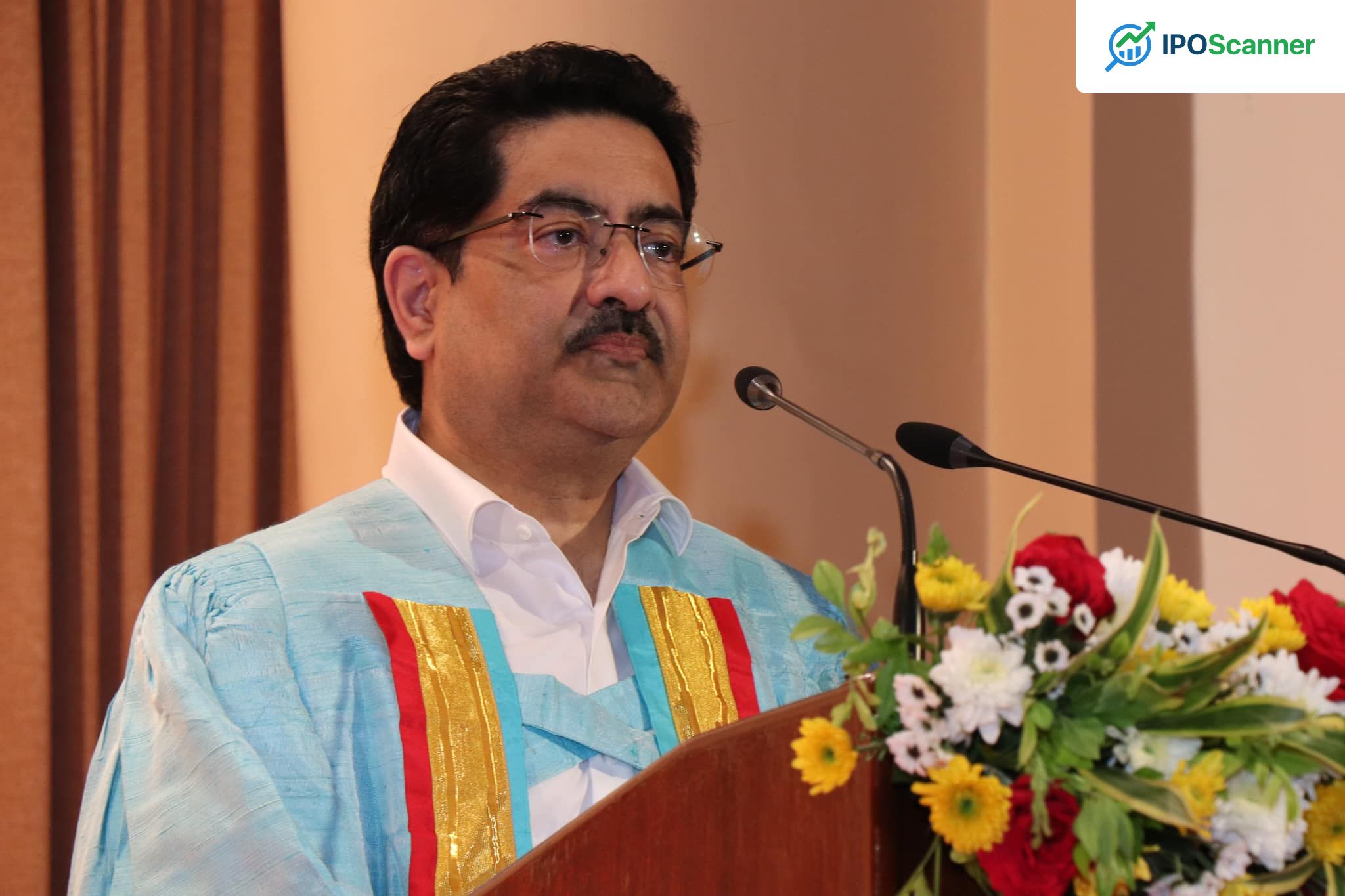
Kumar Mangalam Birla to Address Concluding Function of RSS Training Camp

The Cost of Healthcare: Why Predictability in Medical Inflation is Crucial for Health Insurance

Former Google Executive Warns AI Risks Stem from Human Misuse, Not Technological Limitations