Addressing Cooling Challenges in AI Data Centers: The Limitations of Seawater Utilization
Water Scarcity Looms as Artificial Intelligence Boom Heats Up Data Centres
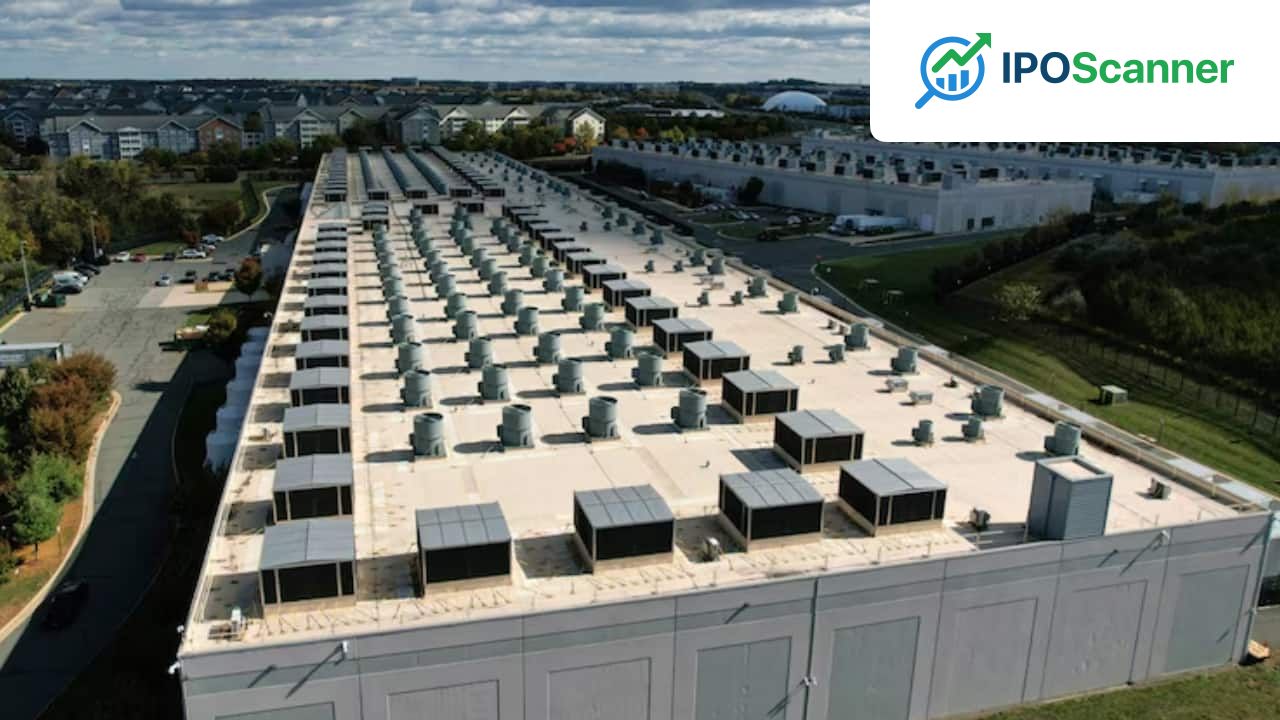
The rapid growth of artificial intelligence (AI) has put a spotlight on a crucial resource that is often overlooked in tech conversations: water. Data centres, particularly those running AI workloads, consume large amounts of water to prevent servers from overheating. This increasing demand has raised a fundamental question: why not use seawater instead, given that many data centres are situated near coastlines?
At first glance, switching to seawater seems like a straightforward solution. However, the reality is far more complex. Most large data centres rely on evaporative cooling systems, which involve water absorbing heat and evaporating. Freshwater works effectively due to its clean evaporation properties. In contrast, seawater evaporates, leaving behind salt and other minerals that accumulate inside pipes, filters, and cooling surfaces over time. This buildup reduces efficiency and increases the risk of system failure.
Seawater also poses a significant challenge due to its corrosive properties. Saltwater is far more aggressive towards metals than freshwater, gradually eating away at materials like steel and copper commonly used in cooling infrastructure. This necessitates more frequent maintenance, increasing costs and the likelihood of breakdowns. For data centres expected to operate continuously with minimal downtime, this level of risk is difficult to justify.
Read also: Kumar Mangalam Birla to Address Concluding Function of RSS Training Camp
Furthermore, seawater leaves behind mineral deposits on heat exchangers and other surfaces, creating an insulating layer that hinders heat dissipation. This is a serious concern in high-density AI data centres, where even small inefficiencies can rapidly increase temperatures.
One potential workaround is desalination or heavy filtration of seawater to remove salt and make it usable. However, this adds to costs and requires more energy, introducing another layer of complexity to already expensive systems. In many cases, operators opt to stick with treated freshwater or recycled water.
While seawater is not entirely out of the picture, some data centres are already using it in limited capacities, typically through closed systems that aid cooling without coming into contact with core equipment. There is also ongoing experimentation with designs that reduce freshwater dependence.
For now, most data centres remain built around freshwater-based cooling systems. Switching to seawater would require a fundamental rethink of how these facilities are designed and operated from the ground up, making it a non-trivial task.
Read also: The Cost of Healthcare: Why Predictability in Medical Inflation is Crucial for Health Insurance
More in General

Kumar Mangalam Birla to Address Concluding Function of RSS Training Camp

The Cost of Healthcare: Why Predictability in Medical Inflation is Crucial for Health Insurance

Former Google Executive Warns AI Risks Stem from Human Misuse, Not Technological Limitations