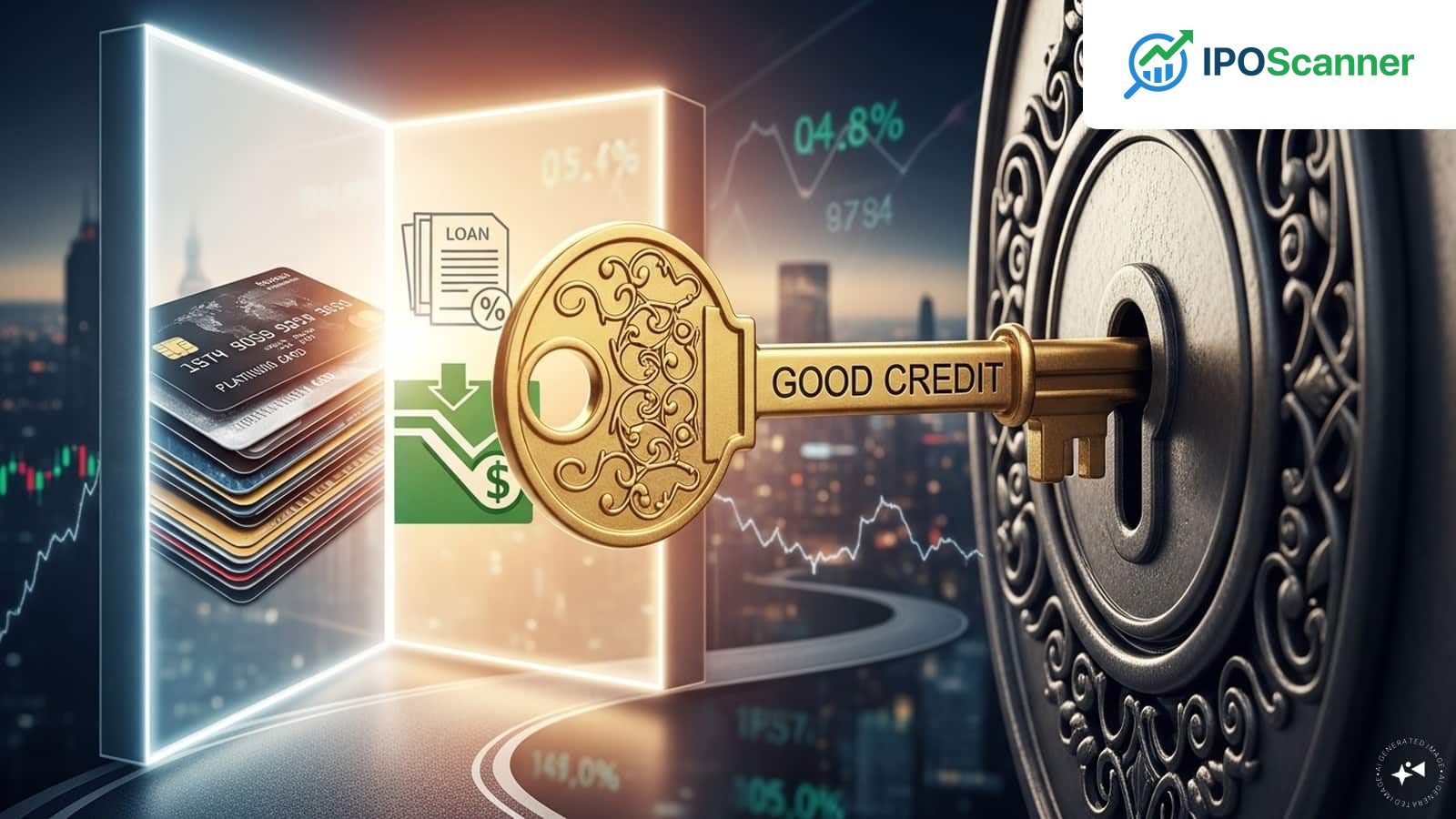
A High Credit Score Can Yield Access to Favorable Loans and Exclusive Credit Cards
The Power of a Healthy Credit Score: Unlocking Financial Flexibility and Savings
Most people only start thinking seriously about their credit score when they urgently need a loan or a new credit card. However, this is usually too late. Your credit score works more like a long-term financial reputation than a one-time number. Banks and lenders use it to judge how reliably you have handled borrowed money in the past and increasingly, that score affects far more than just loan approval.
A healthy credit score can improve borrowing power, reduce interest costs, and even unlock premium financial products that are unavailable to weaker borrowers. In simple terms, a good score gives you more financial options. Whether you are applying for a home loan, personal loan, car loan, or even a premium credit card, lenders first want reassurance that you are likely to repay responsibly.
A healthy credit score usually signals that you have managed previous loans and credit card payments on time. Many lenders prefer borrowers with scores above 750 because they are considered lower risk. That does not mean lower scores automatically lead to rejection. But approvals may become slower, stricter, or more expensive.
Credit Score Benefits: Lower Interest Rates and Cheaper Loans
Credit score is beneficial not only for getting loans but also getting cheaper loans. Banks offer the lowest interest rates to those with better records of loan repayments. A minor difference in interest rates can make a big difference when it comes to long-term home loans.
| Credit Score Range | Interest Rate Difference |
|---|---|
| 750-850 | 0.5-1.0% lower interest rate |
| 850-950 | 1.0-2.0% lower interest rate |
| Above 950 | 2.0-3.0% lower interest rate |
For instance, when two individuals apply for a home loan at the same time, one of them having a much better credit rating than the other, the banks would consider the former as less risky and give him more favourable terms. The difference would be seen in lakhs of savings in the form of lower interest rates.
Read also: Missing a Single EMI Payment Can Adversely Impact Credit Profile
Credit Score and Credit Cards: Unlocking Premium Benefits
Many people associate credit scores only with loans, but they also influence the type of credit cards you qualify for. Premium cards offering airport lounge access, reward points, cashback programmes, and higher spending limits are often easier to access if your credit profile is strong. Banks increasingly look at repayment behaviour before approving cards with larger limits or premium lifestyle benefits. People with healthier credit histories are also more likely to receive pre-approved offers and upgrades.
The Importance of a Healthy Credit Score in Emergency Situations
One overlooked benefit of a healthy credit score is speed. If you suddenly need emergency funds because of a medical issue, business requirement, or urgent travel expense, a strong credit profile may help you access loans or higher card limits faster. Banks are generally more comfortable extending credit quickly to borrowers with a reliable repayment track record. This matters because financial emergencies rarely arrive with preparation time.
Maintaining a Healthy Credit Score: A Key to Financial Flexibility
The difficult part about credit scores is that damage usually happens gradually. Late payments, loan defaults, frequent missed EMIs or excessively using your card limits can slowly weaken your score. And once your score falls sharply, rebuilding it can take time. According to credit experts and lenders, repayment history remains one of the most important factors affecting credit scores. Even small delays repeated regularly can eventually reduce lender confidence.
That is why maintaining a healthy score is usually easier than repairing a damaged one later. The good news is that building a strong score is not complicated. Paying EMIs and credit card bills on time, avoiding excessive borrowing, limiting credit utilisation, and regularly monitoring your credit report are still the most important habits.
Investor Takeaway
Maintaining a good credit score can improve borrowing power and reduce interest costs.
More in General
Correcting Credit Score Errors: A Guide to Ensuring Accurate CIBIL Reports and Optimal Loan Eligibility

Missing a Single EMI Payment Can Adversely Impact Credit Profile
EPF Withdrawal Comes with Tax Implications: A Guide to Understanding the Consequences