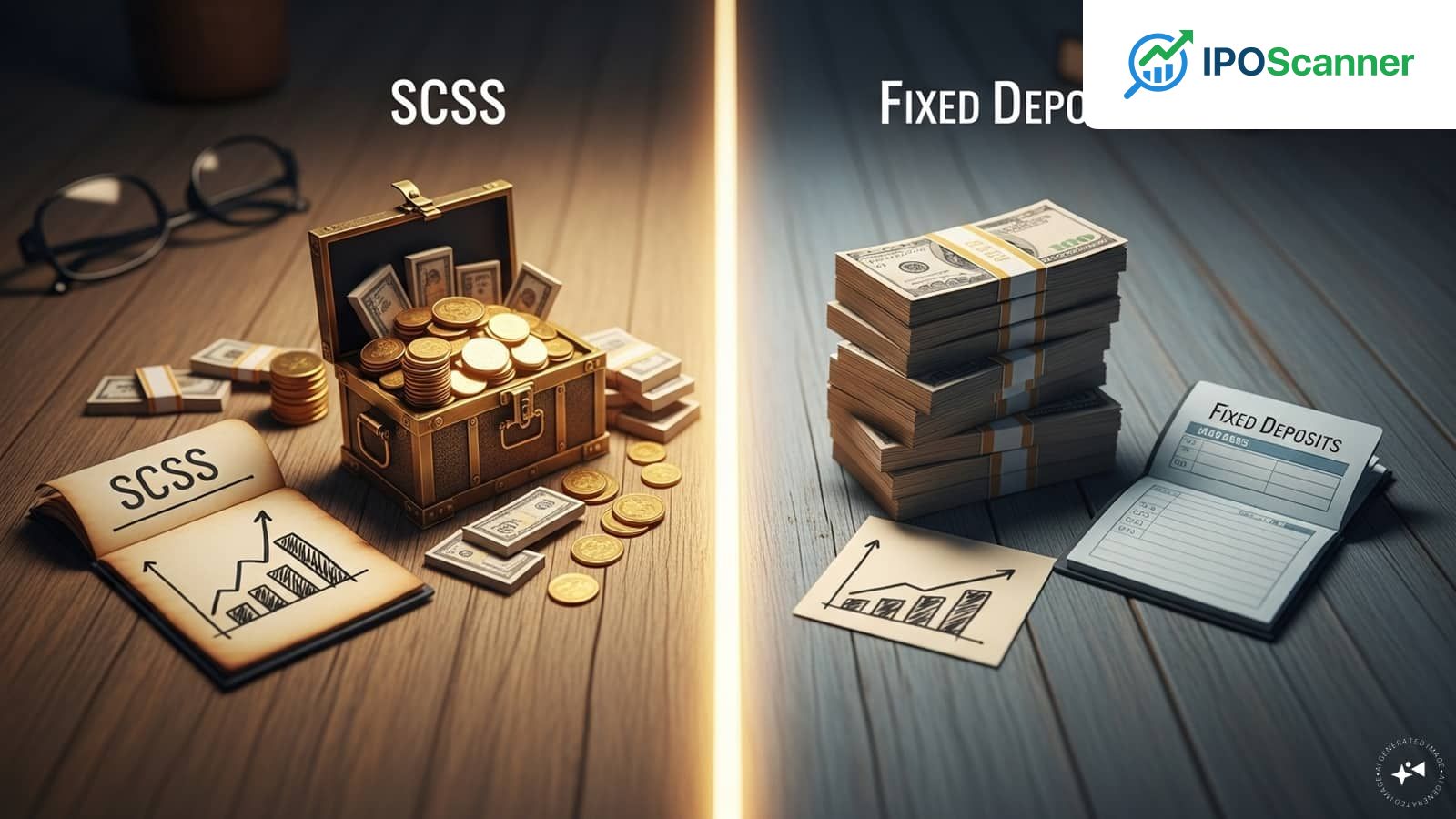
A Comparison of Returns: Fixed Deposits vs. Senior Citizen Savings Scheme
Senior Citizen Savings Scheme vs. Fixed Deposits: Weighing the Options
When it comes to saving for the future, two popular options for senior citizens are the Senior Citizen Savings Scheme (SCSS) and fixed deposits (FDs). While both are considered safe and offer fixed returns, there are key differences that can make one more suitable than the other.
The Interest Rate Advantage
The SCSS currently offers an interest rate of around 8.2% per year, which is set by the government and reviewed every quarter. This puts it slightly ahead of most bank FDs for the same tenure, which typically offer interest rates ranging from 7% to 7.75%. However, the margin between the two is not substantial.
| Option | Interest Rate |
|---|---|
| SCSS | 8.2% per year |
| Bank FDs | 7% - 7.75% per year |
Eligibility and Flexibility
One of the key differences between SCSS and FDs is eligibility. SCSS is only available to senior citizens, typically those above 60 years of age, with a few exceptions for early retirees. FDs, on the other hand, are available to anyone, making them a more flexible option.
Income Options
Read also: Missing a Single EMI Payment Can Adversely Impact Credit Profile
SCSS is designed to provide regular income, with interest paid out every quarter. This can be beneficial for those seeking a steady flow of money, especially after retirement. FDs offer more flexibility, allowing investors to choose from monthly, quarterly, or lump sum interest payments.
Safety and Security
Both SCSS and FDs are considered safe options, but they differ in terms of security. SCSS is backed by the Government of India, making it one of the most secure options available. FDs, while reliable, come with deposit insurance of up to ₹5 lakh per bank for larger amounts.
Limits and Flexibility
SCSS has a cap of ₹30 lakh and a fixed tenure of five years, with an option to extend it. FDs, on the other hand, have no upper limit and offer a range of tenures from a few months to several years.
The Verdict
Ultimately, the decision between SCSS and FDs depends on individual requirements. If you are eligible for SCSS and prioritize steady income with a slightly higher return, it may be the preferred option. However, if you require flexibility, higher investment limits, or simply don't qualify for SCSS, FDs remain a solid option.
Investor Takeaway
Consider the interest rate and eligibility criteria when deciding between SCSS and FDs.
More in General
Correcting Credit Score Errors: A Guide to Ensuring Accurate CIBIL Reports and Optimal Loan Eligibility

Missing a Single EMI Payment Can Adversely Impact Credit Profile

EPF Withdrawal Comes with Tax Implications: A Guide to Understanding the Consequences