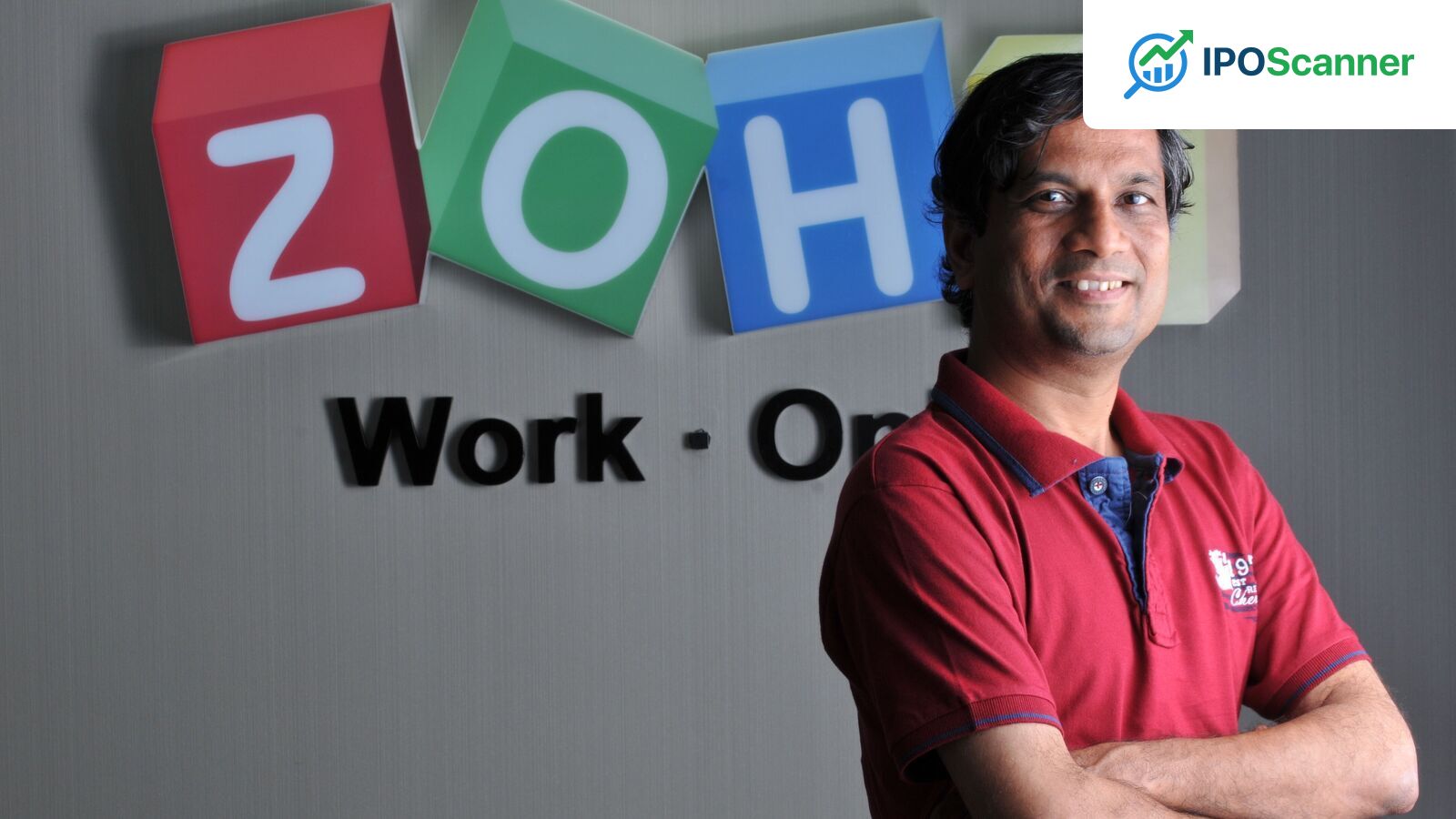
Zoho's Global Rise: Can Tamil Nadu-Born Startups Disrupt Traditional Metro Hubs?
Zoho's Unconventional Path to Success: A Model Worth Replicating?
In a stark contrast to the conventional startup ecosystem in India, Zoho has carved out a unique path to success. The company, which operates largely from Tamil Nadu, including towns like Tenkasi, has built a global software business without relying on venture capital, chasing an initial public offering (IPO), or anchoring itself in India's biggest tech hubs. As funding tightens and startups face increasing pressure to turn profitable, Zoho's model is drawing renewed attention.
Talent Remains Tied to Metro Ecosystems
Bengaluru, Delhi-NCR, and Mumbai together account for the majority of startup hiring demand in India, according to TeamLease. This highlights the deep connection between talent and metro ecosystems. However, Zoho's approach diverges from this broader hiring pattern.
Read also: Treasury Yields Experience Largest Increase in Two Weeks Following Release of Labor Market Data
Building Teams in Smaller Towns
Instead of concentrating its workforce in urban centers, Zoho invested in building teams in smaller towns, closer to where much of India's untapped talent resides. The company's in-house training program, Zoho Schools, recruits students without formal engineering degrees, trains them, and integrates them into product teams, forming a key part of the company's talent strategy. This model has been successful, with around 15% of Zoho's workforce coming through this route.
A Different Operating Model
Zoho's divergence goes beyond geography. Unlike venture-backed startups, it has remained entirely bootstrapped, funding its growth through customer revenue. Today, the company serves more than 100 million users across 45+ products and generates over $1 billion in annual revenue, while remaining privately held and profitable. This approach has become more relevant as funding conditions shift. Venture funding into Indian startups fell by over 60% in 2023 compared to its 2021 peak, according to Tracxn.
Read also: US-Iran Tensions Spark Uptick in Oil Prices Amid Global Market Decline
| Funding Year | Venture Funding |
|---|---|
| 2021 | $12.3 billion |
| 2022 | $4.8 billion |
| 2023 | $4.8 billion |
Why the Model is Hard to Copy
Despite Zoho's scale, few startups have adopted its approach in full. Hiring patterns during the 2020–2022 funding boom reflect why. As capital flowed into the ecosystem, startups rapidly expanded teams to support growth, according to data from platforms such as Naukri. This environment favored speed, and venture-backed companies continue to operate under pressure to scale quickly, often hiring experienced professionals from metro ecosystems rather than investing in long-term training.
A Model Gaining Relevance
Elements of Zoho's approach are beginning to draw interest as funding becomes more selective. Startups are under pressure to manage costs and build sustainable operations. Hiring from smaller towns, where costs are typically lower, has emerged as one area of exploration. However, most companies are still figuring out how to make it work at scale.
Beyond Geography
Zoho's experience suggests the shift is not just about location. Its model combines internal talent development, product ownership, and sustained investment in R&D elements that are harder to implement in fast-scaling, venture-backed environments. The company did not just move out of metro cities; it built systems to support distributed teams and long-term training.
Conclusion
Zoho continues to operate largely outside India's main startup hubs, even as most companies remain concentrated in Bengaluru, Mumbai, and Delhi-NCR. Its model, built without external funding and supported by internal talent development, has seen limited replication so far. Hiring patterns and funding structures continue to favor metro-based ecosystems, according to data from TeamLease and Tracxn. Zoho shows it is possible to build globally from outside India's metros, but for most startups, the model remains hard to copy. The shift beyond hubs is happening, but slowly.
Investor Takeaway
Zoho's model of building a global software business from smaller towns in Tamil Nadu may be a viable alternative for startups looking to disrupt traditional metro hubs.
More in Economy

Treasury Yields Experience Largest Increase in Two Weeks Following Release of Labor Market Data

US-Iran Tensions Spark Uptick in Oil Prices Amid Global Market Decline

MoSPI Releases Uniform Norms for DDP Estimates with 2022-23 Base Year

