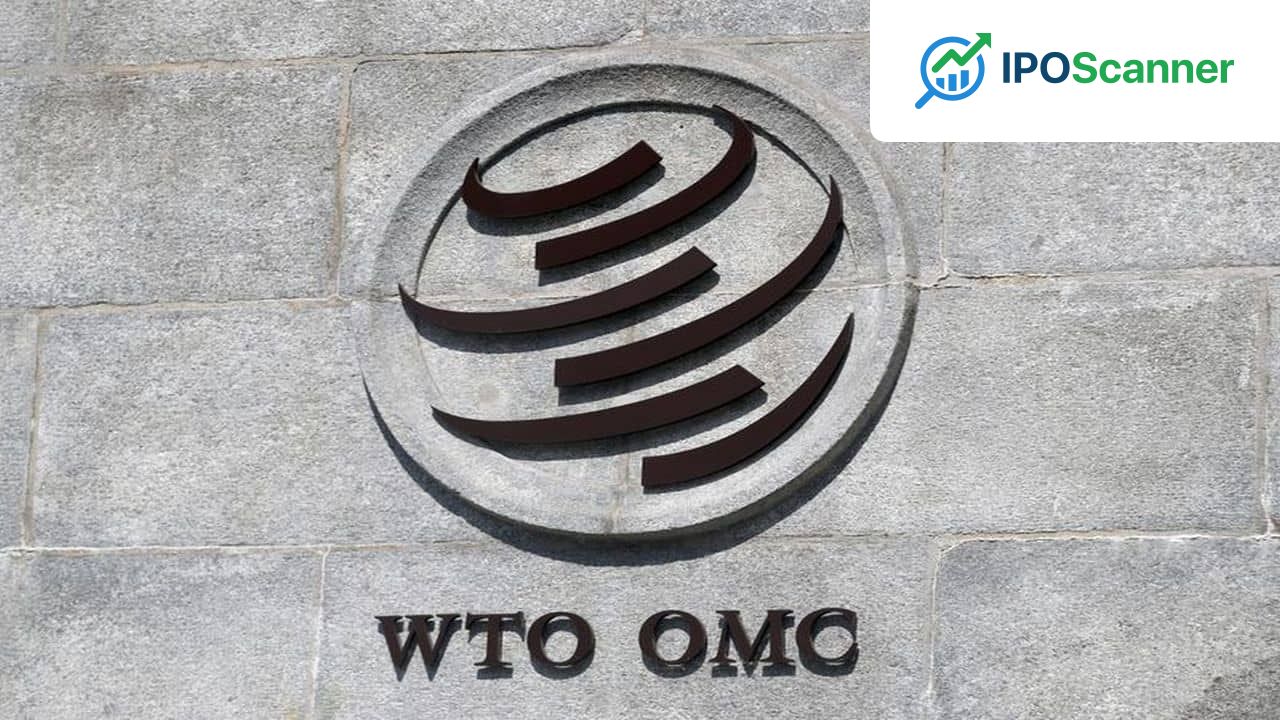
WTO Ministerial Conference MC14 Set to Begin in Cameroon Amid E-commerce and Farm Subsidy Disputes
WTO Ministerial Conference 14 (MC14) Kicks Off in Yaoundé, Cameroon
Key Dates:
- March 26-29: WTO Ministerial Conference 14 (MC14)
- March 31: Expiration of e-commerce moratorium
The World Trade Organization's (WTO) top decision-making body, the Ministerial Conference, has convened for its 14th edition in Yaoundé, Cameroon. The four-day meet comes at a critical juncture, with various contentious issues on the agenda, including WTO reform, agriculture, fisheries subsidies, and e-commerce.
Conference Objectives The Ministerial Conference brings together all WTO members to discuss challenges facing the multilateral trading system and opportunities for action. The conference will be chaired by Luc Magloire Mbarga Atangana, Cameroon's Trade Minister. Discussions will focus on foundational WTO issues, WTO reforms, dispute settlement, and sector-specific priorities such as fisheries subsidies, e-commerce, agriculture, and development.
Read also: Treasury Yields Experience Largest Increase in Two Weeks Following Release of Labor Market Data
Major Issues
- Agriculture: Countries are divided over farm subsidies, food security programs, and market access. Developing nations seek more flexibility to support farmers, while others push to limit what they describe as trade-distorting support.
- Development: Discussions will focus on how to better support developing and least developed countries, including calls for special treatment, technical support, and steps to help these countries participate more fairly in global trade.
- E-commerce Moratorium: Countries are divided over whether to continue the moratorium on customs duties on digital goods. Some argue it supports digital trade, while others claim it reduces their ability to raise revenue.
- WTO Reform: A key issue is fixing the dispute settlement system to resolve trade conflicts properly.
- Fisheries Subsidies: Countries are negotiating rules to reduce harmful subsidies that lead to overfishing.
- Intellectual Property: Discussions will focus on access to medicines and whether existing rules should be made more flexible, especially in response to global health needs.
India's Agenda at MC14 India will take a firm stand on key issues like agriculture, fisheries, and the e-commerce moratorium. New Delhi will also push for broader WTO reforms, particularly to address the concerns of developing countries in global trade rules. India is expected to oppose any permanent extension of the e-commerce moratorium, arguing it limits its ability to tax the fast-growing digital economy.
Investment Facilitation for Development (IFD) Agreement The IFD Agreement aims to make it easier and more transparent for countries, especially developing ones, to attract foreign investment by simplifying procedures and improving coordination between government agencies. Supporters say the initiative could boost investment and economic growth, but some members have raised concerns about incorporating it into the WTO framework.
Read also: US-Iran Tensions Spark Uptick in Oil Prices Amid Global Market Decline
Investor Takeaway
The upcoming WTO Ministerial Conference may lead to significant changes in global trade policies, which could impact international trade and commerce.
More in Economy

Treasury Yields Experience Largest Increase in Two Weeks Following Release of Labor Market Data

US-Iran Tensions Spark Uptick in Oil Prices Amid Global Market Decline

MoSPI Releases Uniform Norms for DDP Estimates with 2022-23 Base Year

