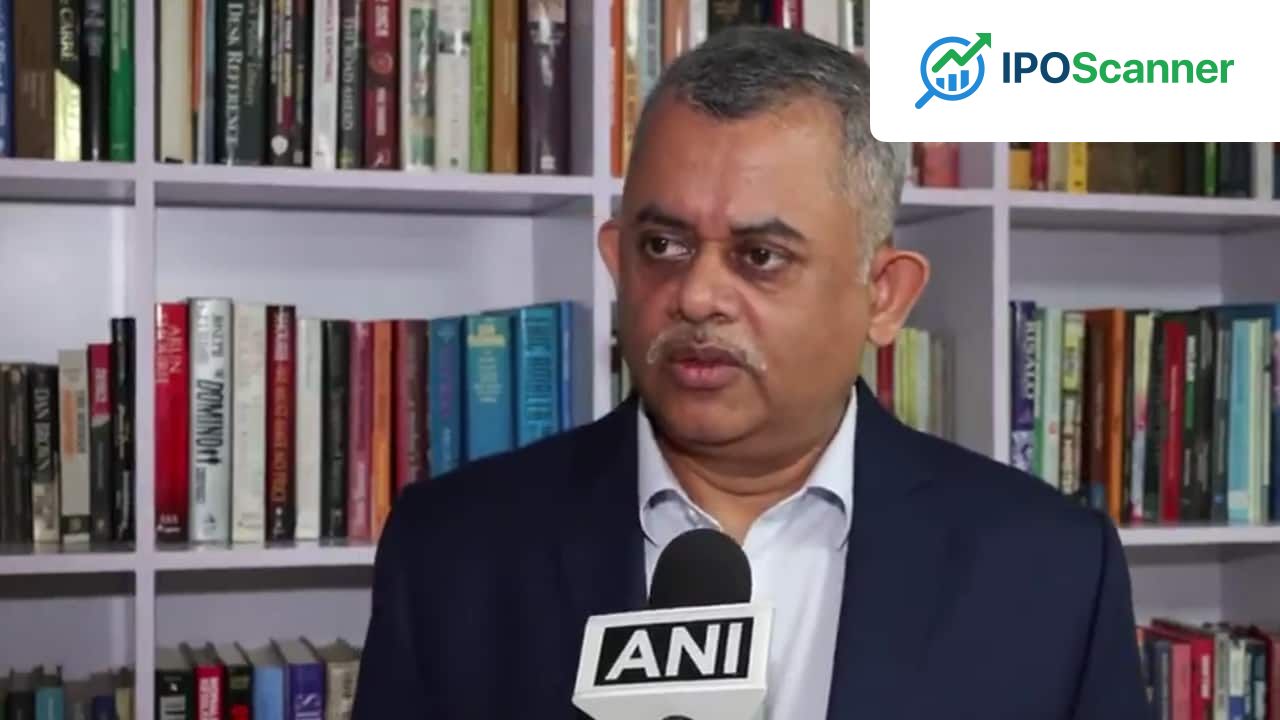
World Bank Economist Warns of Volatility's Greater Threat Than Inflation
Indian Rupee Volatility: Economist Neelkanth Mishra Calls for End to Currency Market Panic
The Indian rupee continues to experience volatility against the US dollar, with economist and World Bank Executive Director Neelkanth Mishra attributing the pressure on the currency to a liquidity issue rather than a reflection of weakness in India's economic fundamentals.
Mishra argues that the depreciation is driven by panic among market participants, rather than concerns over India's solvency or external position. He points out that India's foreign debt-to-GDP ratio remains low, and policymakers should focus on ending the panic in currency markets. To achieve this, Mishra suggests providing greater visibility on capital inflows of $70-100 billion over the next two years.
The level of the exchange rate itself is less important than the volatility surrounding it, according to Mishra. He notes that the 100 barrier is just a number, but allowing wide swings from 95 to 105-110 damages the economy. Currency volatility raises India's long-term cost of capital because global investors demand a higher risk premium when faced with uncertainty. It also delays investment decisions as fund managers prefer to wait for stability before committing fresh capital.
Read also: Concerns Rise Over Hedge Fund Crowding Amplifying Systemic Risk in Times of Crisis
Mishra explains that currency volatility has three negative effects on the economy. Firstly, it raises India's long-term cost of capital because global allocators see high currency volatility over 20 years and demand a higher risk premium. Secondly, it delays growth: fund managers with strong track records tell him, 'let the rupee settle and then we'll give you money,' so volatility costs India 1-2 years of growth. Thirdly, SMEs get whipsawed.
Drawing on his experience from 2013, Mishra notes that small and medium enterprises often hedge their currency exposure too late and end up suffering losses when exchange rates reverse. He attributes recent market dynamics to a mismatch between supply and demand in the currency market, where exporters are willing to sell dollars over longer horizons while importers are seeking short-term protection.
Mishra suggests that the immediate priority should be to get "done with the currency market panic" and demonstrate a credible path for substantial capital inflows. He points to reports regarding the removal of withholding tax for bond investors linked to major global indices and argues that such measures could help attract foreign capital. He also suggests a temporary withholding tax exemption on external commercial borrowings to encourage overseas borrowing.
If necessary, Mishra suggests that authorities could consider temporary "crowd control measures" similar to those used at the end of March, even if such actions are unpopular with markets. He notes that RBI's reserves of around $690 billion provide sufficient capacity to intervene in currency markets if needed.
Read also: Centre Considers Dropping Rajesh Exports from Battery PLI Scheme Amid SEBI Fraud Allegations
| Year | Accrual Balance of Payments Deficit (in billions of USD) | RBI Intervention (in billions of USD) |
|---|---|---|
| 2025-2026 | $24 | $75 |
According to Mishra, once volatility in the rupee subsides, investor confidence and the broader narrative around the Indian economy are likely to stabilise as well.
Investor Takeaway
Investors should focus on the volatility of the Indian rupee rather than its exchange rate value.
More in Economy

Concerns Rise Over Hedge Fund Crowding Amplifying Systemic Risk in Times of Crisis

Centre Considers Dropping Rajesh Exports from Battery PLI Scheme Amid SEBI Fraud Allegations

ATF Price Stabilization Fund Seen as Promising Solution to Airlines' Fuel Costs Concerns: IATA