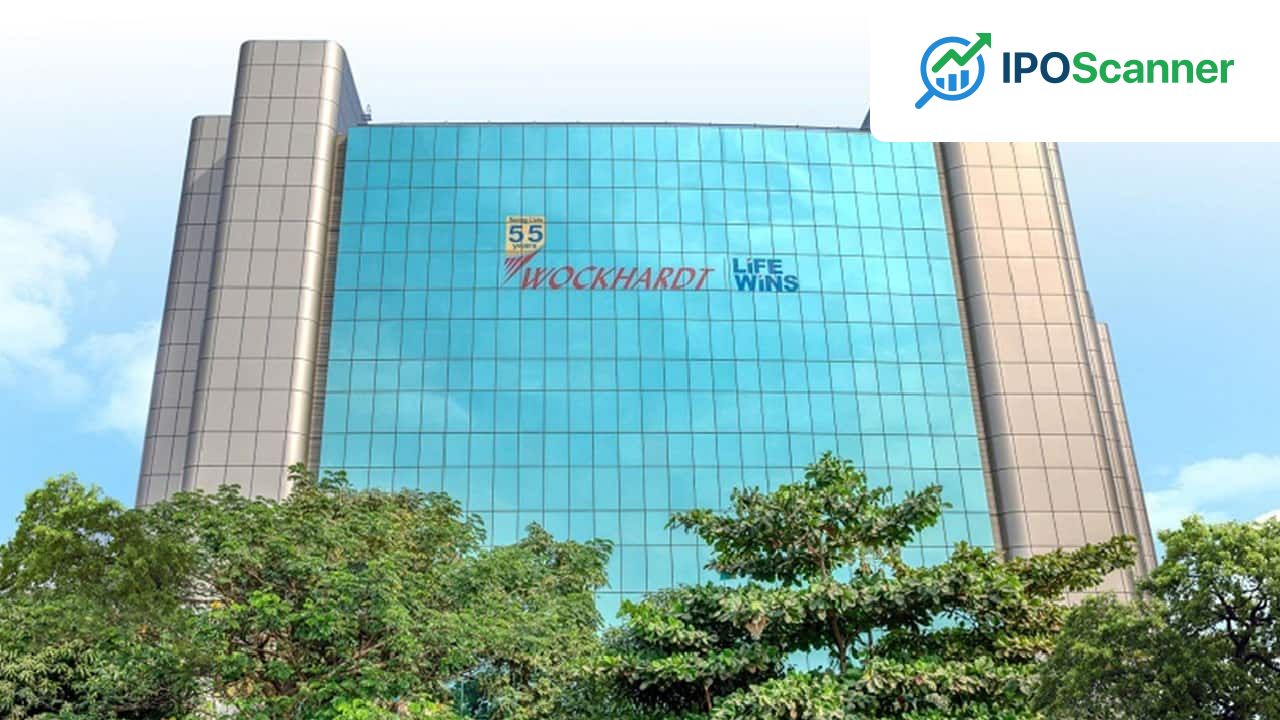
Wockhardt Posts Resurgence in FY26, Achieves Operational Turnaround Through Leaner Operations and Innovation
Wockhardt Swings to Annual Profitability After Half a Decade of Losses
Mumbai-based pharmaceutical and biotechnology firm Wockhardt has posted a significant financial recovery, swinging to annual profitability for the fiscal year ending March 31, 2026.
The company recorded a profit after tax (PAT) of Rs.199 crore for FY26, marking a sharp reversal from the Rs.57 crore loss recorded in the previous year. Revenue rose 11 percent year-on-year to Rs 3,373 crore, while EBITDA increased 51 percent to Rs 630 crore. EBITDA margins expanded to 18.7 percent from 13.8 percent.
Wockhardt's financial turnaround comes after a tumultuous period marked by aggressive expansion, regulatory and financial misfortunes. The company's slide into deep losses was driven by factors such as high debt, USFDA regulatory woes, and soured financial bets.
Read also: Treasury Yields Experience Largest Increase in Two Weeks Following Release of Labor Market Data
A Cautionary Tale
Between 2003 and 2009, Wockhardt pursued an aggressive acquisition strategy, taking on massive debt to buy international firms. The 2008 financial crisis hit the company hard, leaving it with high interest costs and a shrinking valuation. The US FDA import bans on Wockhardt's key manufacturing plants in Aurangabad in 2013 due to quality concerns effectively locked the company out of the U.S. market, previously its biggest source of profit. The company also faced significant losses on foreign exchange derivative contracts, which were intended to hedge currency risk but instead became a massive liability during global market volatility.
Survival and Reset
The setbacks pushed Wockhardt into survival mode. The company spent years divesting assets to pay down creditors and restructure its operations. In 2020, Wockhardt sold a significant portion of its domestic branded business (62 products) and its Baddi manufacturing plant to Dr. Reddy's Laboratories for approximately Rs.850 crore. The management took the difficult decision to liquidate its U.S. entity and exit the U.S. business, a move that incurred one-time restructuring charges but eliminated a major source of ongoing loss. The company also sold its nutrition business (to Danone) and several hospital assets to reduce its debt burden.
Read also: US-Iran Tensions Spark Uptick in Oil Prices Amid Global Market Decline
New Focus and Growth
The company shifted its focus from low-margin generics to "Innovative" portfolios, which now account for 28 percent of Q4 revenue. Wockhardt's "Superbug" fighters, like EMROK, saw a 106 percent growth in the final quarter. The biotech segment grew 27 percent annually, fueled by emerging market deals and the exit of human insulin by Big Pharma.
| Segment | Q4 FY26 Revenue | Q4 FY25 Revenue | Growth |
|---|---|---|---|
| Biotech | Rs. 123 crore | Rs. 97 crore | 27% |
| Innovative Portfolios | Rs. 933 crore | Rs. 730 crore | 28% |
The company now focuses on the UK, India, and emerging markets, where it has significantly improved its margins. EBITDA margins jumped from 13.8 percent to 18.7 percent over the last year. The UK business remained a pillar of stability, growing 13 percent to reach Rs.1,318 crore in FY26.
The Road Ahead
Management is now betting on its pipeline of five novel antibiotics that have completed Phase 3 trials, including Zaynich, which demonstrated 97% clinical efficacy. Zaynich is currently undergoing marketing authorisation review in the US and Europe, and if it receives regulatory approval, it will become a potential money spinner for the company. The upcoming launch of insulin analogs over the next few years represents a significant business opportunity, further strengthening the company's commitment to meeting global diabetes healthcare needs.
Investor Takeaway
Investors should take note of Wockhardt's operational turnaround and potential for future growth.
More in Economy

Treasury Yields Experience Largest Increase in Two Weeks Following Release of Labor Market Data

US-Iran Tensions Spark Uptick in Oil Prices Amid Global Market Decline

MoSPI Releases Uniform Norms for DDP Estimates with 2022-23 Base Year

