West Asia Crisis: Potential Rise in Housing, Plastics, and Food Costs Amid Diversified Economic Pressures
Global Supply Chain Disruptions Looming Amid West Asia Conflict
India's Dependence on West Asian Petrochemicals and Industrial Raw Materials
India's economy is exposed to significant risks due to its heavy reliance on countries in or around the Strait of Hormuz for critical petrochemicals and industrial raw materials. A prolonged conflict in the region could disrupt supplies of these essential inputs, leading to increased costs for various sectors, including housing, plastics, and everyday consumer goods.
Petrochemical Inputs: A Key Vulnerability
Read also: Treasury Yields Experience Largest Increase in Two Weeks Following Release of Labor Market Data
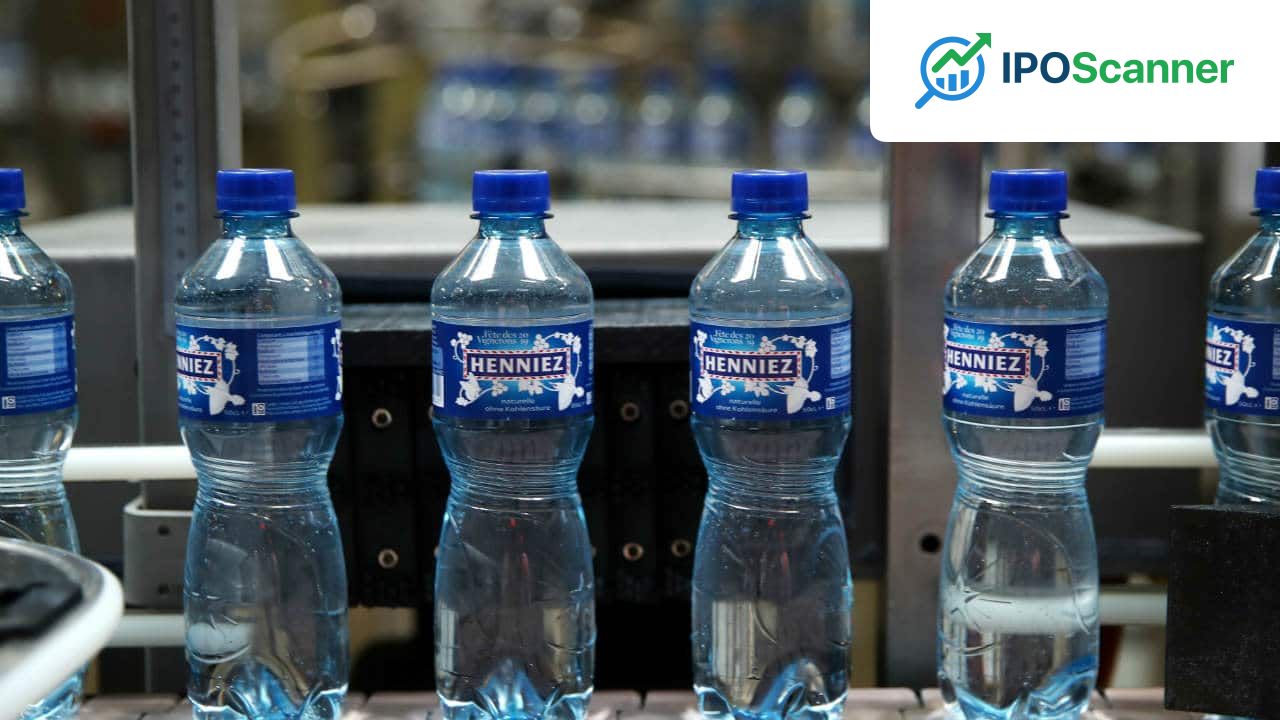
India is heavily dependent on petrochemical inputs, with 99.97% of ethylene glycol, 96.2% of methanol, and 76.5% of p-xylene imports coming from the region. These chemicals are crucial for producing polyester fibres, plastic bottles, packaging materials, and synthetic textiles, making them susceptible to price increases in the event of a supply disruption.
Polymers and Manufacturing Risks
Polymers such as 84.2% dependence on HDPE, 50.6% on LDPE, and 54.7% on polypropylene also pose significant risks to manufacturing and FMCG supply chains. The impact could be felt by drug manufacturers using polymers in medical packaging.
Construction and Housing Impacts
Read also: US-Iran Tensions Spark Uptick in Oil Prices Amid Global Market Decline
India's reliance on the region for 92.9% of gypsum and 92.2% of limestone imports creates a vulnerability in the construction and housing sectors. Any supply shock could raise housing costs and delay infrastructure projects, particularly amid strong real estate demand.
Fertiliser Sector Exposed
The fertiliser sector is another critical vulnerability, with 78.8% of anhydrous ammonia and 95.9% of sulphur imports coming from the region. This creates a direct link between geopolitical tensions and food prices and rural incomes.
Wider Economic Impacts
A sustained disruption could trigger cost-push inflation, affecting sectors such as power, electronics, and mobility through dependence on refined copper wire (87.9%) and precious metals like platinum. The economic impact could be far more widespread than oil alone, making India's economy increasingly exposed to global supply chain risks.
Investor Takeaway
Investors should be cautious of potential price increases in consumer goods and petrochemicals due to disruptions in West Asia.
More in Economy

Treasury Yields Experience Largest Increase in Two Weeks Following Release of Labor Market Data

US-Iran Tensions Spark Uptick in Oil Prices Amid Global Market Decline

MoSPI Releases Uniform Norms for DDP Estimates with 2022-23 Base Year

