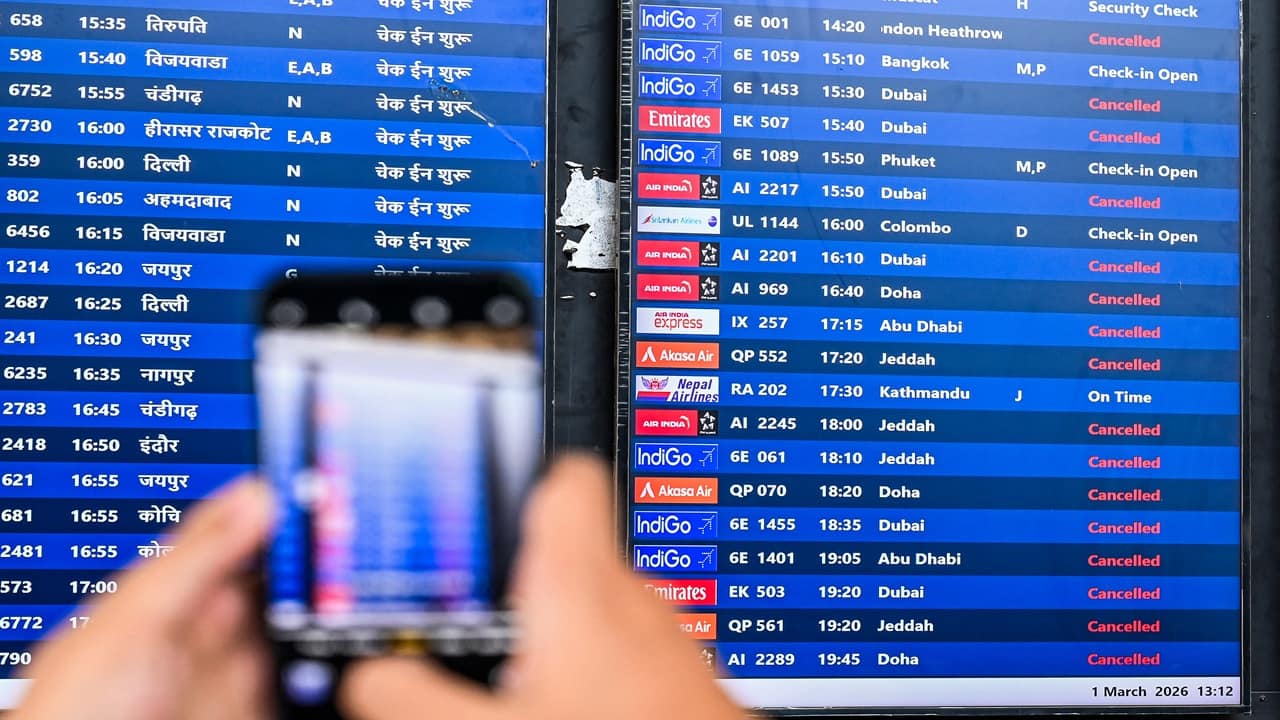
West Asia Conflict Creates Uncertainty for Global Airline Industry
Global Aviation Disruption
Key Figures:
- 90,000: number of passengers stranded per day across Gulf hubs in the initial phase
- 25-35%: percentage of airline operating costs attributed to fuel
- 2,280: number of flights cancelled worldwide within the first 72 hours of the West Asia escalation
Report Summary
Read also: Treasury Yields Experience Largest Increase in Two Weeks Following Release of Labor Market Data
The ongoing conflict in West Asia has triggered a global aviation crisis, with key Gulf airspace shut or restricted, crippling major transit hubs and disrupting flights worldwide. Dubai International, Doha, and Abu Dhabi airports have been severely impacted, with hundreds of flights cancelled or diverted, leaving tens of thousands of passengers stranded and aircraft out of position.
The Impact
The Gulf hub model, which relies heavily on east-west connectivity, has exposed its structural vulnerability. The ripple effects of the closures have cascaded across continents, fracturing tightly calibrated aircraft and crew schedules. Longer routes have resulted in:
- Higher fuel burn
- Increased crew costs
- Reduced aircraft utilisation
- Knock-on schedule disruptions worldwide
Read also: US-Iran Tensions Spark Uptick in Oil Prices Amid Global Market Decline
Economic Chain Reaction
The financial strain is intensifying, with oil prices surging sharply amid fears of supply disruptions in the Strait of Hormuz. Flights priced for direct overfly are now absorbing thousands of extra gallons of jet fuel per departure, squeezing margins even for airlines not directly operating to the Gulf. Airline profitability is under strain, with fuel accounting for 25-35% of operating costs.
Ticket Prices and Cargo Disruption
Airlines are likely to pass on cost increases to passengers, with fare surges expected on Europe-Asia and transcontinental routes. Freight rates are already spiking as shipments are delayed or rerouted, with Gulf hubs major air cargo crossroads.
Insurance and War-Risk Premiums
Underwriters are recalculating war-risk premiums, with the conflict's duration and impact on global trade and commerce yet to be determined.
Investor Takeaway
Investors should be cautious of potential disruptions in the global airline industry due to the ongoing conflict in West Asia.
More in Economy

Treasury Yields Experience Largest Increase in Two Weeks Following Release of Labor Market Data

US-Iran Tensions Spark Uptick in Oil Prices Amid Global Market Decline

MoSPI Releases Uniform Norms for DDP Estimates with 2022-23 Base Year

