Water Crisis Deepens for US Data Centres Amid Growing Concerns Over AI-Driven Energy Consumption
Water Consumption by Data Centres Takes Centre Stage in AI Debate
A recent speech delivered at a local council meeting in Ravenna, Ohio, has sparked a viral moment, shedding light on a pressing issue tied to the rapid growth of artificial intelligence. The comment, made by Hollingsworth, expressed scepticism over the massive resources consumed by data centres, highlighting the potential environmental implications of these facilities.
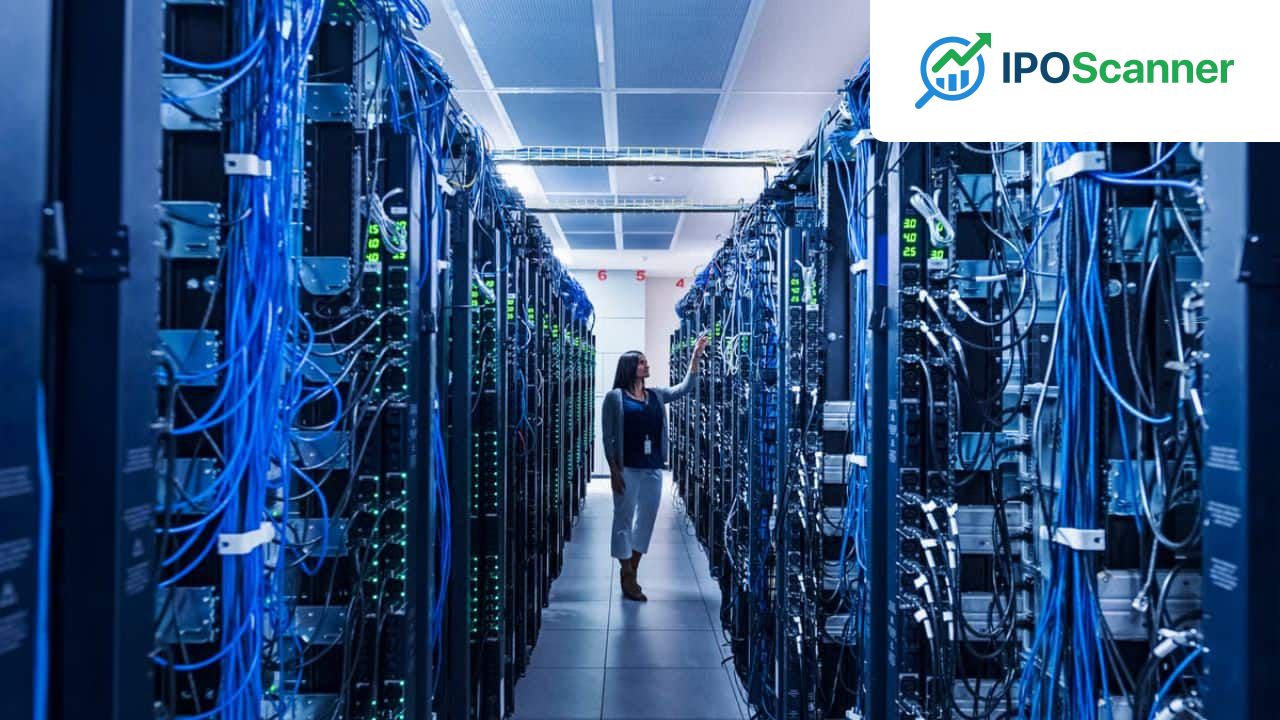
The idea that it might take draining reservoirs to enable a chatbot to compose poems quickly may have been hyperbolic in tone, but it reflects the reality behind the massive amount of water consumed by data centres. Modern data centres, especially those powering AI systems, generate enormous amounts of heat, requiring water-based cooling systems to keep servers running efficiently. A single large data centre can use millions of gallons of water per day, particularly during peak operations or in hotter climates.
This has created friction in communities where such projects are being planned, particularly in regions already dealing with water stress or limited infrastructure. The allocation of large volumes of water to tech facilities raises difficult questions about priorities and long-term sustainability. On the other hand, demand for AI infrastructure is rising sharply, with many companies investing heavily in data centres for services ranging from chatbots, cloud, and artificial intelligence within enterprises.
Read also: Treasury Yields Experience Largest Increase in Two Weeks Following Release of Labor Market Data
| Company | Water Consumption (Gallons per Day) |
|---|---|
| 1.5 million | |
| Amazon | 1.2 million |
| Microsoft | 900,000 |
As the AI boom continues, communities, companies, and policymakers will increasingly have to balance innovation with the realities of resource use. The viral speech in Ravenna has succeeded in drawing attention to a question that is becoming harder to ignore. The conversation around AI is shifting, with a focus on the environmental implications of these facilities. This debate will continue to gain momentum as AI becomes more embedded in everyday life.
More in Economy

Treasury Yields Experience Largest Increase in Two Weeks Following Release of Labor Market Data

US-Iran Tensions Spark Uptick in Oil Prices Amid Global Market Decline

MoSPI Releases Uniform Norms for DDP Estimates with 2022-23 Base Year

