Wall Street Slides as Escalating Middle East Tensions Fuel Higher Oil Prices
Market Pulls Back as Middle East Conflict Escalates
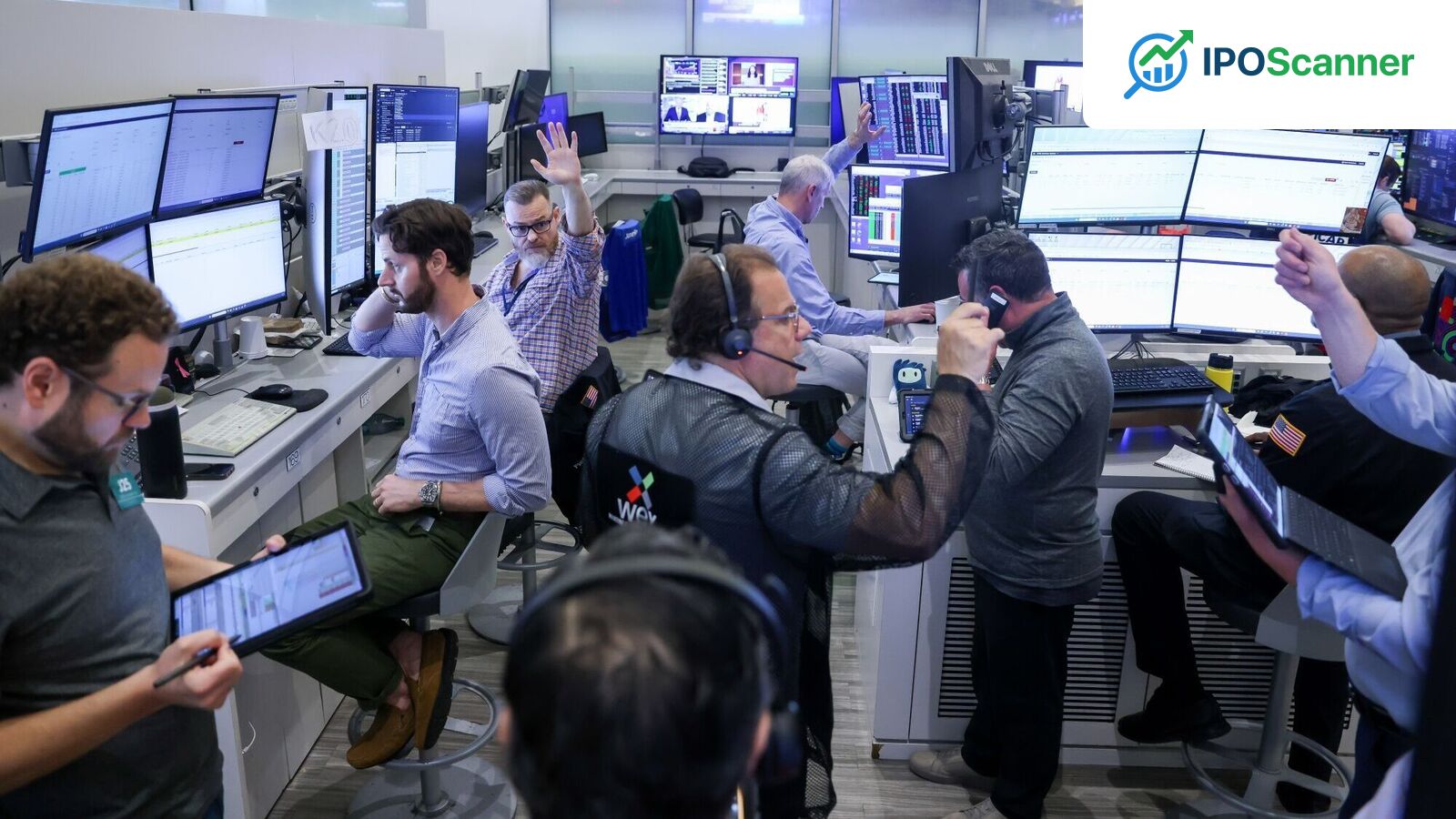
Wall Street stock indices experienced a pullback on Wednesday, driven by the intensifying Middle East conflict and the subsequent surge in oil prices. This prompted investors to lock in profits following a historic run of record highs. At the open, the Dow Jones Industrial Average fell 86.9 points, or 0.17%, to 51,220.92.
The S&P 500 and Nasdaq Composite also declined, with the S&P 500 falling 4.5 points, or 0.06%, to 7,605.31, and the Nasdaq Composite dropping 1.1 points to 27,092.845. The escalating conflict, marked by a deadly Iranian drone attack on a passenger terminal at Kuwait International Airport, represents one of the most significant challenges to the already precarious ceasefire.
The attack resulted in one fatality and left 63 others wounded, underscoring the high stakes involved. Kuwait is a key US ally, and the strike has raised concerns about the stability of the region. The rising geopolitical instability has had a direct impact on energy markets, with crude oil values marching higher on Wednesday.
Read also: Treasury Yields Experience Largest Increase in Two Weeks Following Release of Labor Market Data
Global benchmark Brent crude rose 1.3% to trade at $97.26 per barrel, while West Texas Intermediate (WTI), the US benchmark, gained 1.4% to settle at $95.06. This surge in oil prices has contributed to the market pullback, as investors adjust to the new reality.
Despite the decline in the markets, Adam Sarhan of 50 Park Investments remains optimistic about the US equity markets. He notes that the market is adjusting after a "huge rally" led by tech stocks. "We had a huge rally, tech has been leading the way up. It's perfectly normal and healthy to see the market consolidate after a big move up," Sarhan said.
He added that US equity markets remain in a "very bullish environment, specifically for tech and AI." On the economic data front, the ADP report showed employment in the US private sector rose more than expected in May, with hiring seen across a range of industries.
| Quarter | ADP Employment Growth (YoY) | Previous Quarter |
|---|---|---|
| Q1 2022 | 1.1% | 0.8% |
| Q2 2022 | 1.3% | 1.1% |
| Q3 2022 | 0.9% | 1.3% |
| Q4 2022 | 0.6% | 0.9% |
| Q1 2023 | 1.4% | 0.6% |
Read also: US-Iran Tensions Spark Uptick in Oil Prices Amid Global Market Decline
The Institute for Supply Management's (ISM) services index also showed that US services activity expanded in May, despite rising cost pressures. The index came in at 54.5% last month, up 0.9 percentage points from April's figure.
Investor Takeaway
Investors may want to consider hedging their portfolios against potential market volatility.
More in Market

Treasury Yields Experience Largest Increase in Two Weeks Following Release of Labor Market Data

US-Iran Tensions Spark Uptick in Oil Prices Amid Global Market Decline

Indian Stocks to Watch: BHEL, Agarwal Industrial, JBM Auto, Rajesh Exports, Indian Energy Exchange, Lenskart Solutions in Market Focus on June 4.