Volatility is a Natural Part of Markets, Says Sebi Chairman Amid Ongoing Uncertainty
Securities and Exchange Board of India (Sebi) Chairman Tuhin Kanta Pandey's Key Takeaways
Market Volatility is Inherent, Functioning Fairly and Efficiently is the Real Test
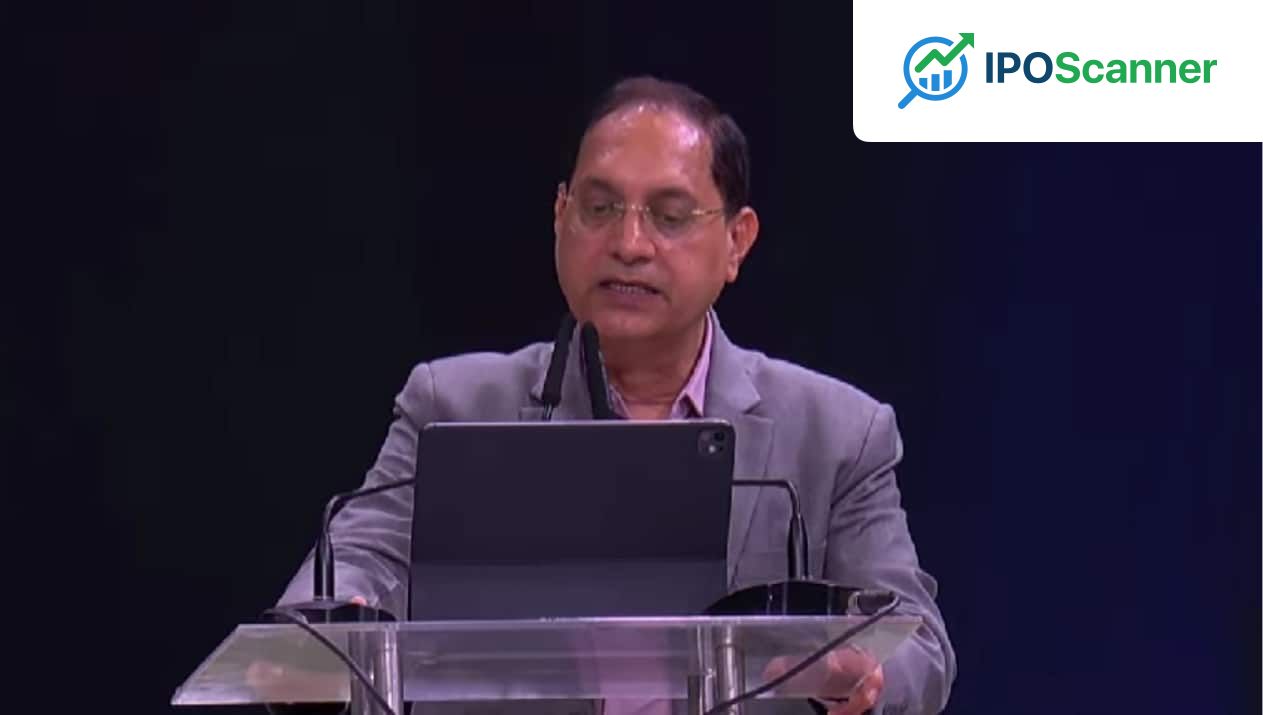
At the Global Wealth Summit 2026, Sebi Chairman Tuhin Kanta Pandey emphasized that market volatility is a natural feature, and the true test lies in ensuring that markets continue to function fairly and efficiently during periods of stress. Despite global uncertainty and geopolitical disruptions, India's capital markets have become deeper and more resilient over the past decade.
Global Markets Defined by Uncertainty
Read also: Treasury Yields Experience Largest Increase in Two Weeks Following Release of Labor Market Data
The current global economic environment is marked by multiple forces, including geopolitical tensions, technological disruption, and rapid information flows. Pandey noted that markets today operate in a very different information environment where developments spread instantly and influence trading behavior. Geopolitical tensions are increasingly influencing economic relationships, while the ongoing conflict in the Middle East has disrupted energy supplies and created volatility in global oil and gas markets.
Volatility Does Not Last Forever
While markets often face periods of turbulence during global crises, history shows that such volatility eventually subsides. Pandey pointed to earlier disruptions such as the COVID-19 pandemic and the Russia-Ukraine conflict, noting that markets had experienced turbulence but eventually stabilized. For retail investors, Pandey advised patience during periods of uncertainty.
Technology and Information Speed Transforming Markets
Read also: US-Iran Tensions Spark Uptick in Oil Prices Amid Global Market Decline
Rapid technological change, particularly the rise of artificial intelligence, algorithmic trading, and advanced data analytics, is accelerating the speed at which markets operate. Pandey highlighted the structural changes reshaping modern capital markets, and policymakers face the challenge of ensuring that speed does not compromise stability in financial markets.
India's Capital Markets Becoming Deeper
Despite global volatility, Pandey said India's capital markets have expanded significantly over the last decade. Since FY15, India's markets have grown at a compound annual growth rate of around 15%, while the corporate bond market has grown at about 12% CAGR. The mutual fund industry's assets under management have expanded at over 20% CAGR, reflecting deeper participation from investors.
Measures to Strengthen Market Integrity
Regulators are taking several steps to strengthen investor protection and improve market access. The government has notified rules allowing large IPOs with lower stake dilution and a longer timeline for minimum public shareholding compliance. Sebi has reduced the investment threshold for privately placed bonds, while issuers are also allowed to offer incentives in public issues of debt securities.
Investor Takeaway
Investors should remain calm and focused on long-term growth despite market volatility.
More in Economy

Treasury Yields Experience Largest Increase in Two Weeks Following Release of Labor Market Data

US-Iran Tensions Spark Uptick in Oil Prices Amid Global Market Decline

MoSPI Releases Uniform Norms for DDP Estimates with 2022-23 Base Year

