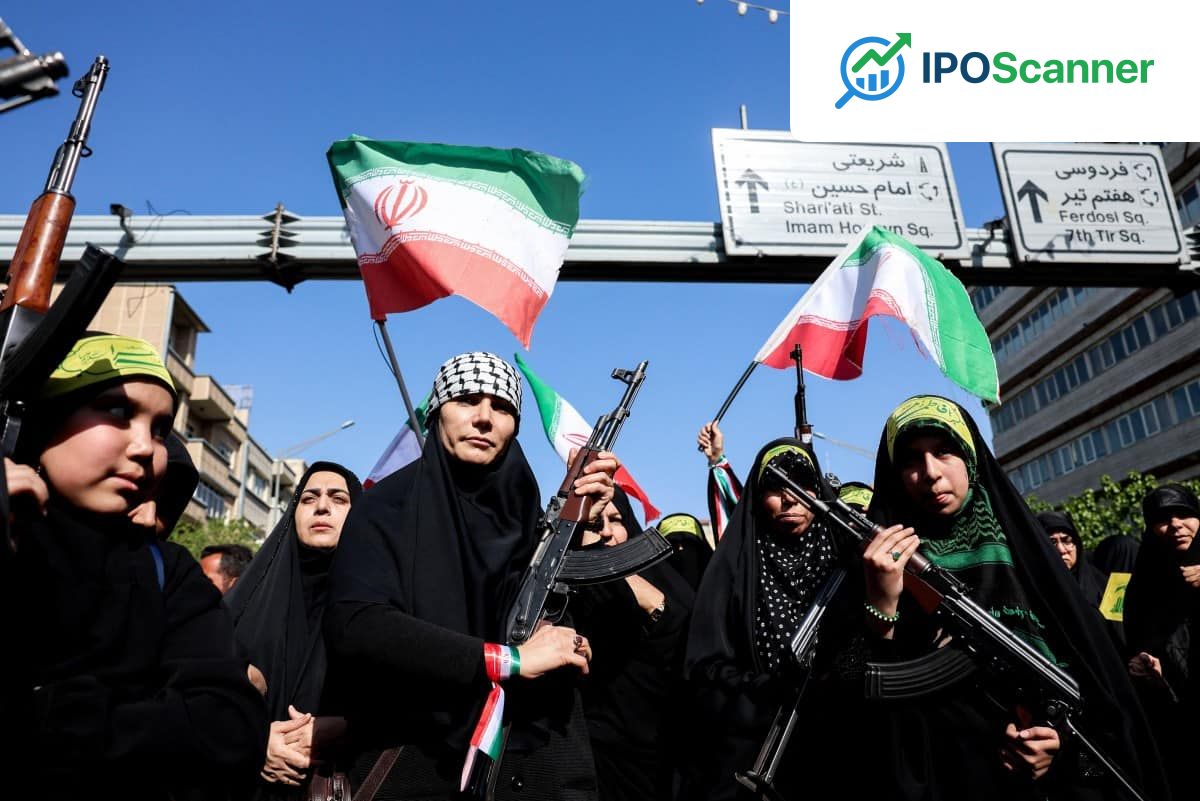
Vault Matter: A Complex Interplay of War and Geopolitical Tensions
Microfinance Market Precedent Warns of MSME Lending Crisis
The warning signs for the microfinance market were evident as early as 2024, with indications of overheating and over-leveraging. However, the industry's initial response was one of denial, with those sounding the alarm being labeled as pessimists and accused of not having the best interests of the industry at heart.
It wasn't until August 2025 that the microfinance industry acknowledged that the stress it was experiencing was a direct result of the euphoric lending that had taken place 2-3 years prior. Ironically, the initial reaction to the disturbances in the industry was to attribute them to the El Niño impact.
Signs of Trouble in MSME Segment
Read also: Treasury Yields Experience Largest Increase in Two Weeks Following Release of Labor Market Data
Fast forward to the present, a similar scenario is unfolding in the micro and small enterprises (MSME & SME) loans segment, which has been growing at a rate of over 25% for more than four years. Last year, when Bajaj Finance sounded the alarm on stress developing in the SME segment, the rest of the industry was quick to brand Bajaj as an overcautious lender. Today, most lenders are following suit, slowing down growth in the sector and dipping into the ECLGS 5.0 to the extent possible.
| Lender | Growth Rate (2022) | Growth Rate (2023) | Current Growth Rate |
|---|---|---|---|
| Bajaj Finance | 25% | 20% | 15% |
| Bank of India | 28% | 22% | 18% |
| HDFC Bank | 30% | 25% | 20% |
How SME Lending Became So Popular
Banks and NBFCs had to find a substitute for the MFI lending boom, which promised high growth and was granular. The easy answer was MSME/SME loans, or in banking parlance - business banking loans; loans to individuals running small business outfits with exposure less than Rs 5 crore. These loans were essentially retail loans masked with a business proposition and sold as MSME or SME Loans.
Read also: US-Iran Tensions Spark Uptick in Oil Prices Amid Global Market Decline
| Loan Type | Average Ticket Size | Growth Rate (2022) |
|---|---|---|
| MSME Loans | Rs 1-5 crore | 25% |
| SME Loans | Rs 5-100 crore | 30% |
The Recipe for Disaster
These loans were given with a bet on the individual or retail customer, with little end-use monitoring in practice. Some of these loans were also given through loan against property and gold loans. The reliance on GST records and UPI payments for underwriting resulted in high growth, but also created a recipe for disaster.
| Underwriting Method | Growth Rate (2022) |
|---|---|
| GST Records | 28% |
| UPI Payments | 30% |
Who Should Take Responsibility?
The point to introspect is whether it is fair for lenders to blame the West-Asian crisis or the stretched geopolitical uncertainty for the ballooning NPAs in the SME segment. In reality, the recipe for disaster was of their own making, and it won't come as a surprise if external factors bear the blame once again. The one to take the blame should be the lenders with their tendency towards excessiveness.
Investor Takeaway
Investors should be cautious of the growing MSME segment and potential risks associated with it.
More in Economy

Treasury Yields Experience Largest Increase in Two Weeks Following Release of Labor Market Data

US-Iran Tensions Spark Uptick in Oil Prices Amid Global Market Decline

MoSPI Releases Uniform Norms for DDP Estimates with 2022-23 Base Year

