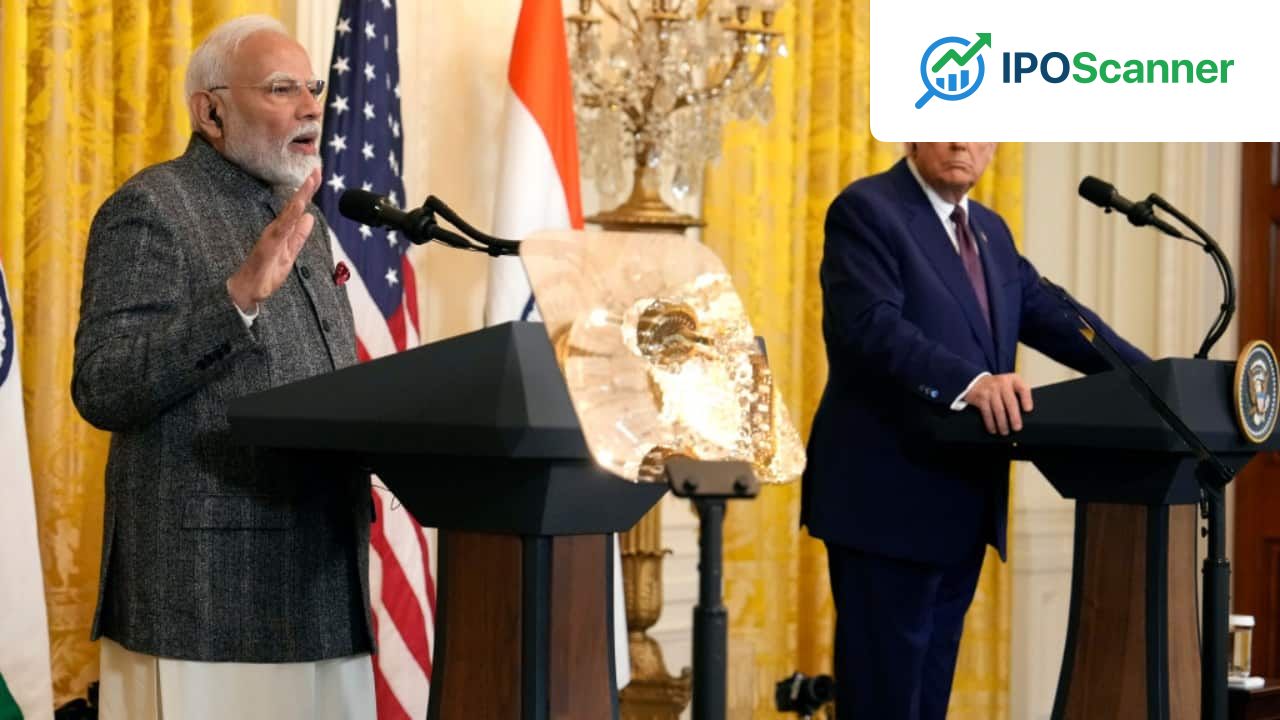
US Trade Experts Question Motives Behind Section 301 Probe Amid Ongoing Trade Deal Talks
US Launches Section 301 Trade Investigations Against 16 Economies
The United States has initiated Section 301 trade investigations against 16 economies, including India, China, Japan, South Korea, and the European Union. The move is seen as a strategic effort by Washington to maintain leverage in global trade negotiations, following the Supreme Court's ruling that struck down the reciprocal-tariff mechanism.
The investigations will cover various sectors, including steel, aluminium, automobiles, batteries, electronics, chemicals, machinery, semiconductors, and solar modules. In India, the US has flagged several sectors, including solar-module manufacturing, petrochemicals, steel, textiles, health-related goods, construction materials, and automotive products, citing concerns over domestic overcapacity and potential export surpluses.
Section 301 empowers the United States Trade Representative (USTR) to examine whether foreign industrial policies, such as subsidies, state-owned enterprise activity, or overcapacity are unreasonable or discriminatory. The investigation process is expected to take around four to five months and will allow the US to examine structural excess capacity and export-driven surpluses in key sectors.
Read also: Treasury Yields Experience Largest Increase in Two Weeks Following Release of Labor Market Data
The move is seen as a strategic effort by Washington to safeguard its industrial base and critical supply chains while keeping trade partners engaged. Section 301 investigations require evidence of harm and must be tied to specific trade practices, making the process slower and more legally constrained than the reciprocal tariff system invalidated by the Supreme Court.
The US is turning to Section 301 as an alternative to Section 122 tariffs, which are temporary and legally constrained. Section 122 allows the president to impose ad hoc tariffs for a limited period with defined ceilings, but any increase could require congressional approval or face legal challenges.
The Global Trade Research Initiative's (GTRI) Ajay Srivastava noted that the revival of Section 301 investigations signals that American trade policy is entering a new phase following the court ruling that curtailed Washington's tariff powers.
Investor Takeaway
Investors should closely monitor the ongoing trade deal talks and potential implications of the Section 301 probe on global trade negotiations.
More in Market

Treasury Yields Experience Largest Increase in Two Weeks Following Release of Labor Market Data

US-Iran Tensions Spark Uptick in Oil Prices Amid Global Market Decline

Indian Stocks to Watch: BHEL, Agarwal Industrial, JBM Auto, Rajesh Exports, Indian Energy Exchange, Lenskart Solutions in Market Focus on June 4.