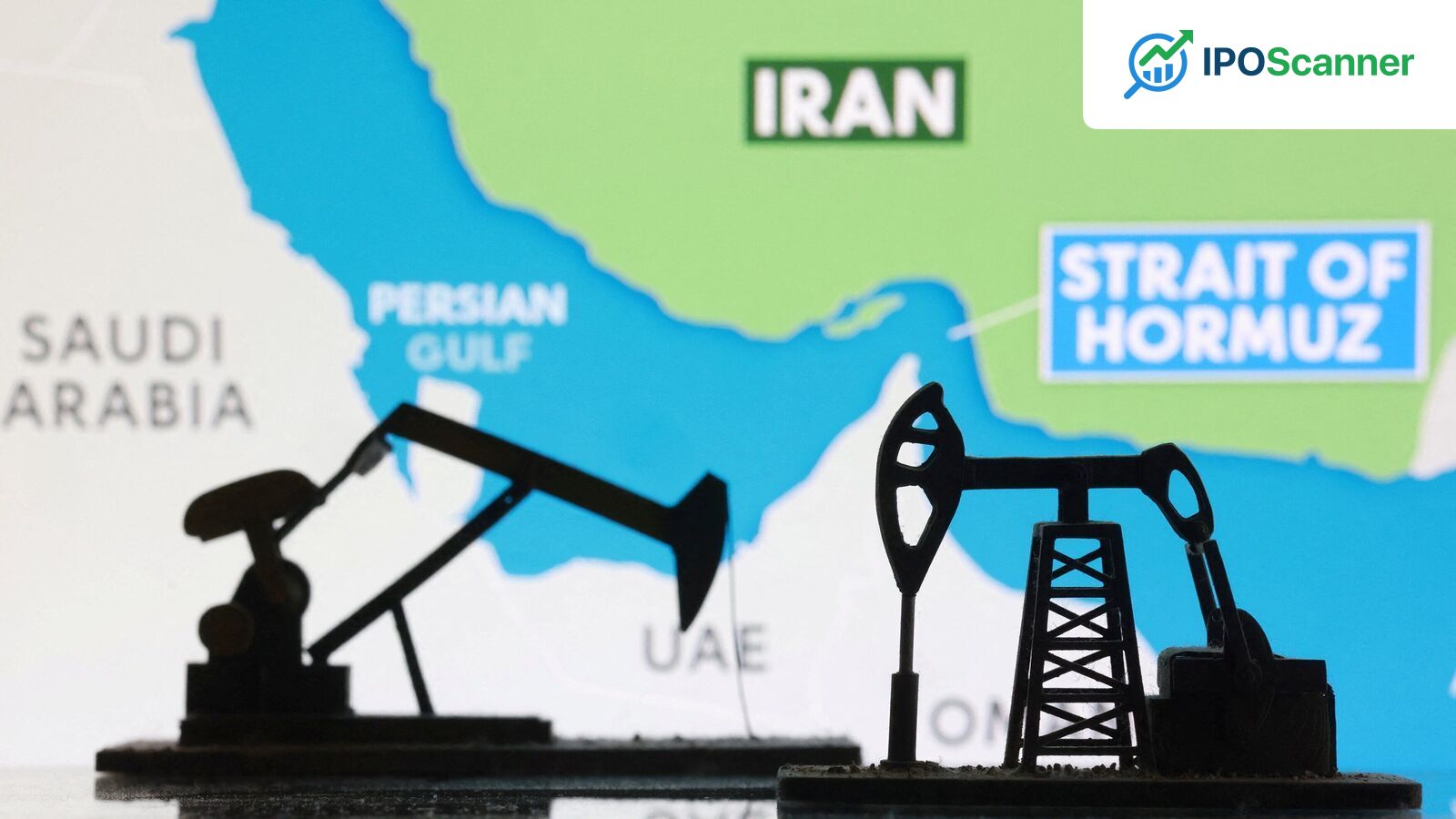
US Stocks Rise Amid Speculation of US-Iran Tensions: ExxonMobil, Lockheed Martin Shares Benefit from Strait of Hormuz Uncertainty
Global Economic Impact of Strait of Hormuz Closure
Market Analysis
The potential closure of the Strait of Hormuz could lead to a 1-2 percentage point increase in global inflation and a 0.5-1.0 percentage point reduction in global GDP, according to ASK Private Wealth. However, the equity markets may not be entirely negative, with certain sectors expected to benefit from the disruption.
Non-Gulf Oil Producers
Read also: Treasury Yields Experience Largest Increase in Two Weeks Following Release of Labor Market Data
Non-Gulf oil producers, such as ExxonMobil, Chevron, ConocoPhillips, and EOG Resources, are expected to benefit from the increased crude prices and absence of supply concerns. These companies are well-equipped to take advantage of rising oil prices, with ExxonMobil and Chevron benefiting from their size, strong presence in the Permian Basin, and varied global assets. ConocoPhillips and EOG Resources, with their low breakeven costs and direct exposure to oil, are also expected to exhibit greater responsiveness to fluctuations in crude prices.
Tanker Companies
A blockade of the Strait of Hormuz would lead to a surge in freight rates, benefiting tanker firms such as Frontline plc, DHT Holdings, and Flex LNG. Frontline plc, as the largest operator of VLCCs globally, is well-positioned to take advantage of spikes in spot rates. DHT Holdings, with its exclusive VLCC fleet, and International Seaways, with its varied fleet of both crude and product tankers, are also expected to benefit from the disruption.
LNG Producers and Shipping Firms
Read also: US-Iran Tensions Spark Uptick in Oil Prices Amid Global Market Decline
The closure of the Strait of Hormuz would lead to a significant disruption in global LNG flows, benefiting non-Gulf LNG producers and shipping firms. Flex LNG, with its modern fleets of LNG carriers on long-term contracts, and Golar LNG, with its integrated role in LNG shipping and floating liquefaction (FLNG), are well-positioned to take advantage of the shortage in vessel supply.
Recommendations
Investors are advised to be wary of duration risk, with the equity strategy being most effective in the initial 4-8 weeks of disruption. Position sizing and hedging are crucial considerations to mitigate potential losses.
Investor Takeaway
Investors should consider position sizing and be wary of duration risk in the initial 4–8 weeks of disruption.
More in Market

Treasury Yields Experience Largest Increase in Two Weeks Following Release of Labor Market Data

US-Iran Tensions Spark Uptick in Oil Prices Amid Global Market Decline

Indian Stocks to Watch: BHEL, Agarwal Industrial, JBM Auto, Rajesh Exports, Indian Energy Exchange, Lenskart Solutions in Market Focus on June 4.