US Natural Gas Reserves Surpass Domestic Demand Amid Global Supply Constraints Caused by Ongoing Conflict in Iran
US Gas Prices Plummet to Negative Territory as Iran War Strangles Global Supplies
As the Iran war continues to strangle natural gas supplies, countries across Asia and Africa are rationing fuel and enduring blackouts. In Europe, the conflict is raising the risk of an energy crunch this winter. Meanwhile, thousands of miles away in the heart of US shale country, gas is so plentiful that producers have to pay buyers to take it off their hands.
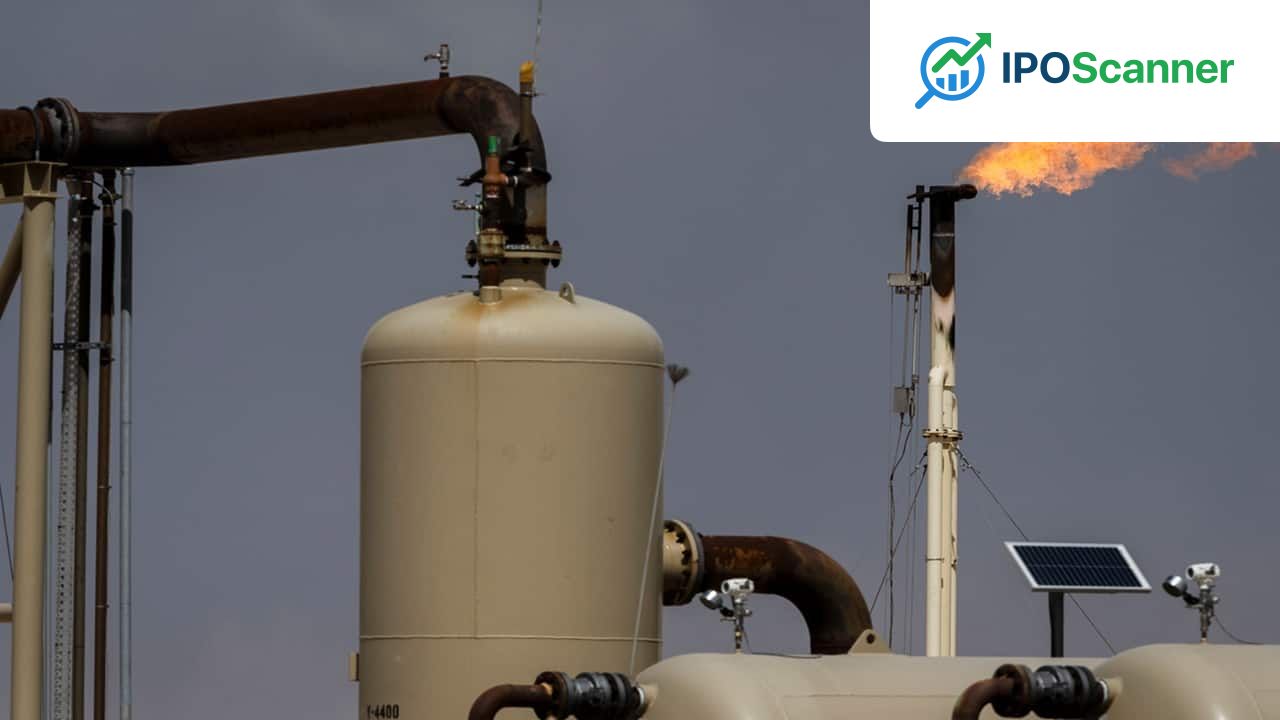
In the Permian Basin of West Texas and New Mexico, drillers have helped make the US the world's largest oil producer. In the process, they've also glutted the region with natural gas, which is extracted there as a byproduct of crude. The result is a gas surplus that exceeds available pipeline capacity to get the fuel to customers or export terminals on the coast. Permian gas prices aren't merely cheap – they're negative. In other words, sellers are paying customers. While it's not the first time that gas contracts in the region have gone subzero, prices are now lower than ever, dipping below $9.60 per million British thermal units on April 24.
The phenomenon feeds into the broader US market. Benchmark futures, already low by international standards, have slipped 10% since the Middle East conflict began. That's in stark contrast to Europe, where futures have surged about 40%, and Asia, where they've jumped more than 50% as nations struggle to secure enough gas to run power plants and heat homes.
Read also: Treasury Yields Experience Largest Increase in Two Weeks Following Release of Labor Market Data
| Region | Futures Price Change (since Middle East conflict began) |
|---|---|
| US | -10% |
| Europe | +40% |
| Asia | +50% |
With new pipelines slated to start up this year, negative Permian prices won't last forever. But they reveal a gas bounty so massive that it's not only insulating the US from war-driven energy shocks, but actually creating an economic tailwind. Cheap supplies of gas – a key manufacturing input and a major player in meeting power demand from artificial intelligence – stand to give the US an edge over countries facing fuel shortages.
According to Chris Louney, director of global commodity strategy at RBC Capital Markets, "US gas prices have not just remained lower than global benchmarks, but have remained insulated from the volatility of major global gas and import markets in Europe and Asia. This comparative energy security is beneficial for domestic industry that relies on natural gas as a feedstock or form of industrial grade heat, and increasingly power-hungry industries such as AI and data centers."
Americans are grappling with soaring power bills already, but without the glut of natural gas, those costs would be even higher. And while US consumers have been hit with broader inflation – including higher gasoline prices at the pump – as the Iran war upends the oil market, cheap natural gas is muting the impact, with utility gas prices falling 0.9% in March's Consumer Price Index report.
Read also: US-Iran Tensions Spark Uptick in Oil Prices Amid Global Market Decline
Soaring production from shale basins including the Permian has propelled US oil and natural gas output to all-time highs. That supply has been a cornerstone of President Donald Trump's push for American energy dominance, helping to create a buffer between the US and war-driven market convulsions. In the Permian, gas prices have dipped below zero intermittently since 2019 as pipeline construction failed to keep pace with soaring production.
However, for some US gas producers, low prices have been a drag on profits. Diamondback Energy Inc., a top Permian explorer, is "consciously moving away from Waha" and increasing its exposure to higher-priced markets near planned data centers, gas export facilities, and population centers. Even drillers outside the Permian are feeling the effects of low gas prices, with EQT announcing plans to cut quarterly production by 2% as gas prices languish.
As prices have fallen deeper into loss-making territory, flaring events – when operators burn off natural gas at the wellhead, releasing carbon dioxide into the environment – have spiked to seasonal multi-year highs, according to research firm Energy Aspects. There's a market failure here, said Jon Goldstein, associate vice president for energy transition at the Environmental Defense Fund. "It makes no sense to be burning an energy resource that is needed around the world, and polluting the air, when we could be using that, putting it to productive use."
For traders, who thrive on acute pricing dislocations like those between the Permian and other US gas hubs, the West Texas market has been fraught with opportunity and risk. By the end of this year, negative West Texas gas prices may mostly be a thing of the past, with forward prices showing the hub flipping to positive in October. A wave of new pipeline projects is set to follow, bringing about 11 billion cubic feet a day of capacity online by the end of 2028.
As a result, gas prices in the Permian will be higher than has been the case in many, many years, said Amber McCullagh, a longtime North American natural gas markets analyst and founder of the independent blog Measured Depth. Still, abundant shale production and limited export capacity mean US gas prices are poised to remain low relative to the rest of the world for years to come. Gas will average well below $4 through 2027, American government forecasts show, while production is poised to hit fresh records.
More in Economy

Treasury Yields Experience Largest Increase in Two Weeks Following Release of Labor Market Data

US-Iran Tensions Spark Uptick in Oil Prices Amid Global Market Decline

MoSPI Releases Uniform Norms for DDP Estimates with 2022-23 Base Year

