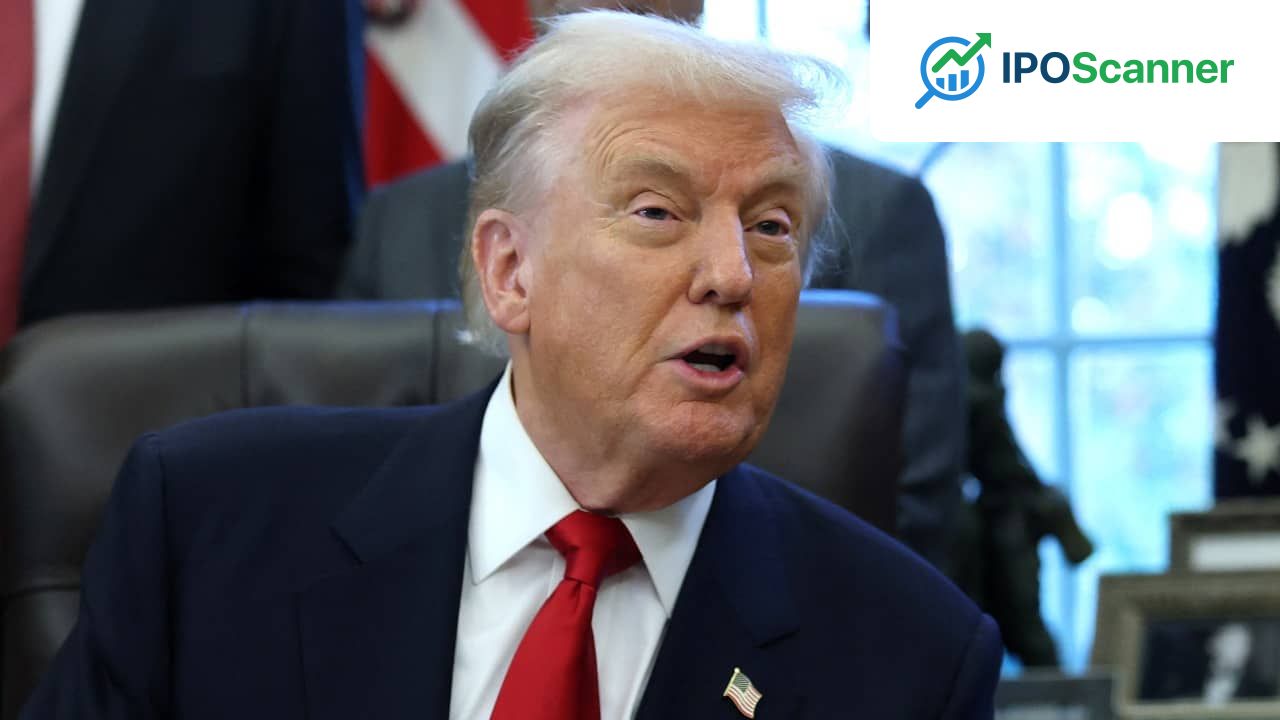
US Launches New Trade Probe Targeting 16 Countries, Renewing Tariff Pressure
US Trade Investigation Targets Excess Industrial Capacity in 16 Major Trading Partners
The US administration has launched a new trade investigation targeting excess industrial capacity in 16 major trading partners, including China, European Union, and India, under Section 301 of the Trade Act of 1974. The investigation aims to rebuild tariff pressure after a US Supreme Court ruling struck down a key pillar of the previous tariff program.
The probe will cover China, European Union, India, Japan, South Korea, and Mexico, along with Taiwan, Vietnam, Thailand, Malaysia, Cambodia, Singapore, Indonesia, Bangladesh, Switzerland, and Norway. The investigation will focus on economies that exhibit structural excess capacity and production in various manufacturing sectors, such as large persistent trade surpluses or underutilized or unused capacity.
The US will examine evidence including large global current account surpluses, government subsidies, suppressed domestic wages, non-commercial activities by state-owned enterprises, subsidized lending, currency practices, and weak environmental and labour standards. The investigation is expected to lead to new tariffs by summer.
Read also: Treasury Yields Experience Largest Increase in Two Weeks Following Release of Labor Market Data
Timeline
- Public comments accepted until April 15
- Public hearing expected around May 5
- Temporary tariffs imposed by Trump in late February expire in July
Forced Labour Investigation
The US Trade Representative will also initiate a Section 301 investigation on Thursday focusing on imports produced using forced labour. The probe is expected to cover more than 60 countries. Washington wants trading partners to adopt and enforce similar bans on forced-labour products under US trade law.
Read also: US-Iran Tensions Spark Uptick in Oil Prices Amid Global Market Decline
Tariffs and Trade Strategy
The investigation reflects long-standing US concerns about state-supported manufacturing output flooding global markets with low-priced goods. The probe will examine production that is "untethered" to market demand and assess whether excess manufacturing capacity in some countries is distorting global trade flows. The US administration remains committed to using tariffs as a tool to address trade imbalances and manufacturing concerns.
Investor Takeaway
Investors should be prepared for potential trade tensions and tariffs, which could impact global manufacturing and trade.
More in Economy

Treasury Yields Experience Largest Increase in Two Weeks Following Release of Labor Market Data

US-Iran Tensions Spark Uptick in Oil Prices Amid Global Market Decline

MoSPI Releases Uniform Norms for DDP Estimates with 2022-23 Base Year

