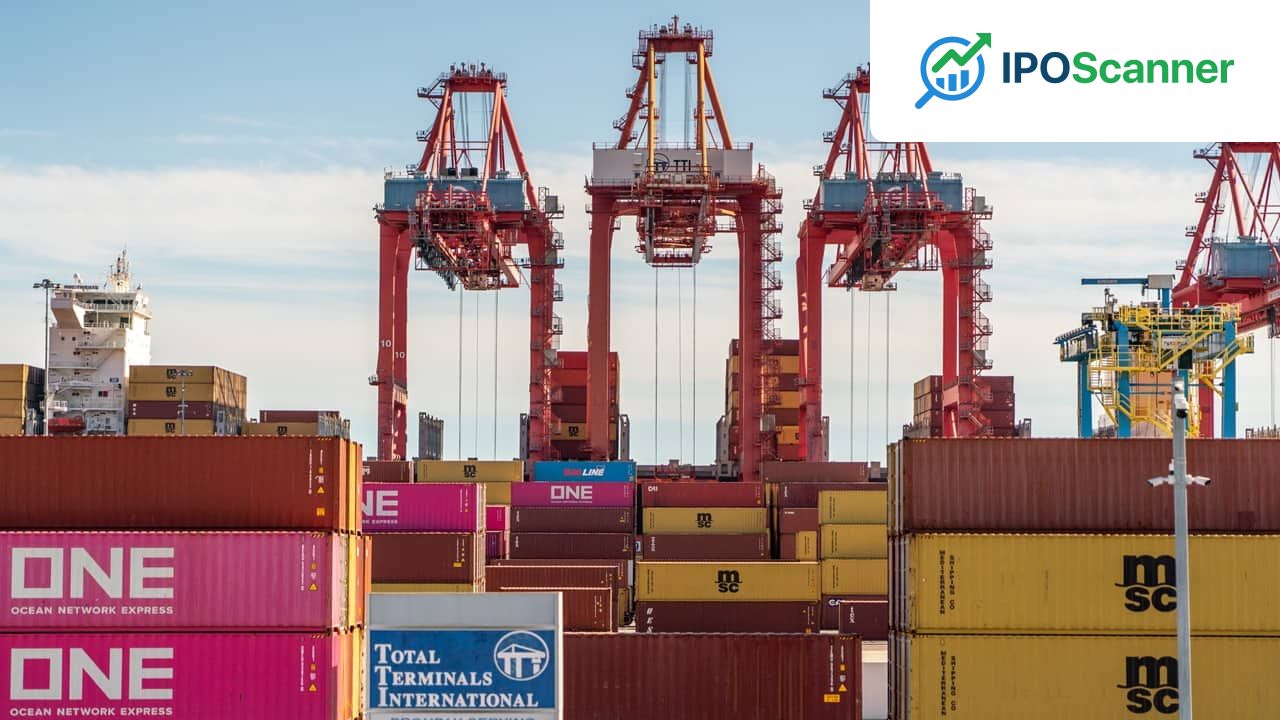
US Launches Forced Labour Investigation Across 60 Economies, Potential Impact on India Exports Assessed
US Trade Investigation into Forced Labour Practices Launched
The Office of the United States Trade Representative (USTR) has launched a trade investigation into alleged forced labour practices across global supply chains, specifically targeting exports from approximately 60 economies, including India and China. The probe was initiated on March 12 under Section 301 of the US Trade Act.
Scope of the Investigation
The investigation aims to examine whether countries have failed to prevent goods produced using forced labour from entering international trade and reaching the US market. The US Trade Representative (USTR) will scrutinize countries that allow goods produced with forced labour to enter global supply chains, either directly through production using forced labour or indirectly by importing materials produced with forced labour.
Read also: Treasury Yields Experience Largest Increase in Two Weeks Following Release of Labor Market Data
Focus on Chinese Imports
The investigation is expected to focus on products that use imported inputs from China suspected of being made with forced labour. If such inputs are used in goods exported from India to the US, those shipments could come under investigation. China is likely to face intense scrutiny due to longstanding allegations of forced labour in the Xinjiang Uyghur Autonomous Region.
Potential Implications for India
While India has laws prohibiting forced labour, the country's export sectors may still face scrutiny due to their reliance on imported Chinese components. For instance, India's solar panel exports to the US often rely on imported polysilicon or solar cells sourced from Chinese supply chains. The textile and garment industry may also face tighter scrutiny, as Indian manufacturers frequently use Chinese yarn and fabric that may be linked to cotton produced in Xinjiang.
Read also: US-Iran Tensions Spark Uptick in Oil Prices Amid Global Market Decline
Parallel US Investigation
The forced labour probe comes days after the USTR initiated another Section 301 investigation on March 11, examining whether industrial policies in 16 economies, including India and China, have created excess manufacturing capacity that harms US industries. The Section 301 process typically includes public consultations, evidence gathering, and hearings before the USTR decides whether to take trade action.
Investor Takeaway
Investors should be cautious of potential trade disruptions and their impact on global supply chains.
More in Economy

Treasury Yields Experience Largest Increase in Two Weeks Following Release of Labor Market Data

US-Iran Tensions Spark Uptick in Oil Prices Amid Global Market Decline

MoSPI Releases Uniform Norms for DDP Estimates with 2022-23 Base Year

