US-Israel Tensions Escalate: Airlines Respond with Fuel Surcharges Amid Rising Fuel Prices
Global Aviation Market Disrupted by Iran Conflict
Market Overview The ongoing conflict in Iran has disrupted the global aviation market, leading to airspace restrictions, cancelled flights, and increased fares and fuel surcharges. Since 28 February, thousands of flights have been cancelled over the Middle East, causing significant disruptions to airline operations.
Aviation Sector Impact The conflict has led to a surge in demand for alternative routes, pushing up ticket prices. Over 43,000 flights scheduled to and from the Middle East were cancelled between 28 February and 10 March. Airlines in Asia and Europe have announced fare hikes and fuel surcharges due to sharp fluctuations in oil prices and concerns about possible jet-fuel shortages.
Airlines Affected
Read also: Treasury Yields Experience Largest Increase in Two Weeks Following Release of Labor Market Data
- AirAsia: Announced an increase in fares and adjusting fuel surcharges, but did not specify the amount.
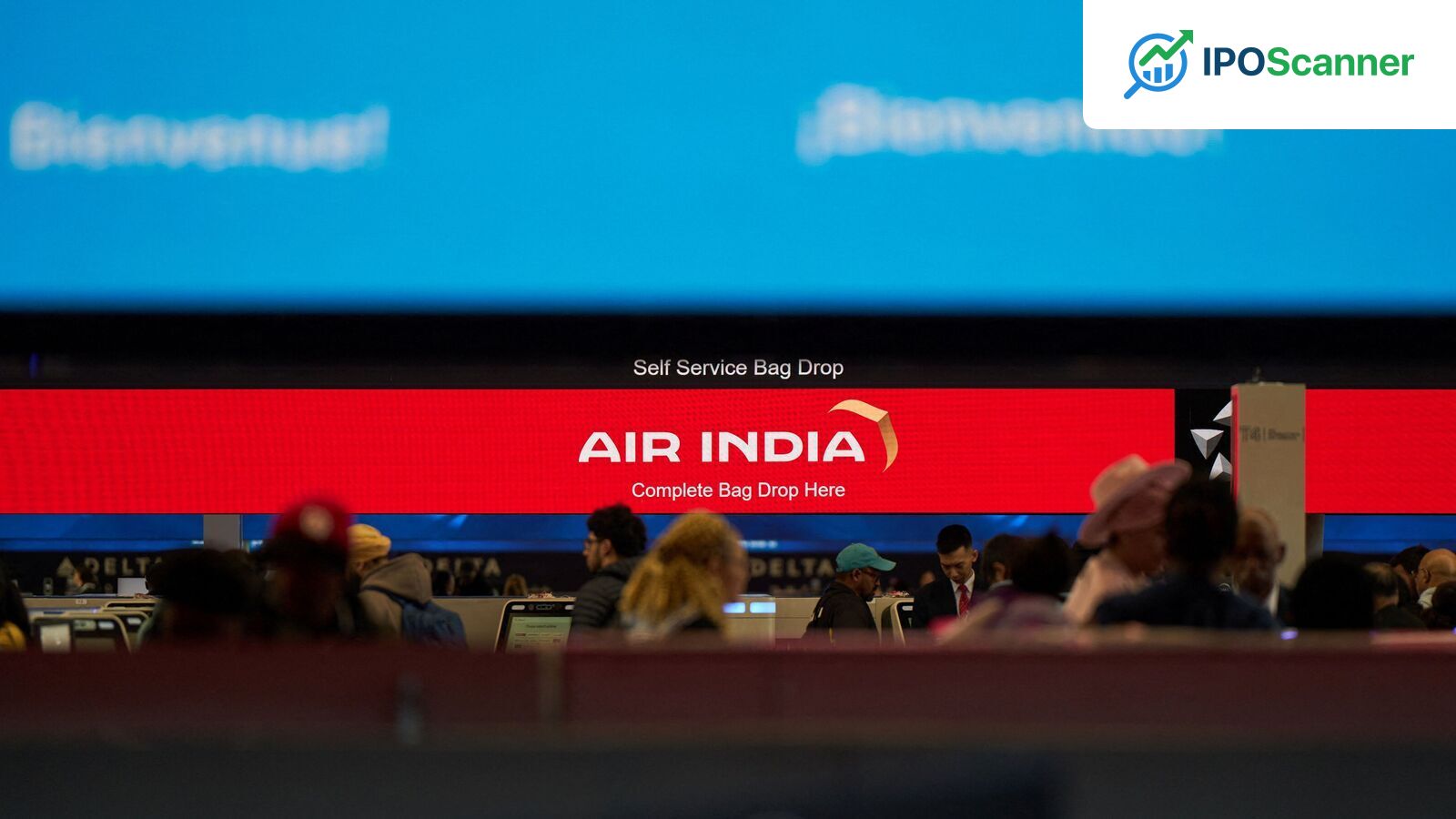
- Air India: Revised fuel surcharges starting 12 March, with a phased increase across domestic and international routes. The first phase includes:
- ₹399 surcharge on domestic flights and services to South Asia, West Asia, and the Middle East.
- $60 surcharge to Southeast Asia (up from $40) and $90 to Africa (up from $60).
- Air New Zealand: Increased fares by an unspecified amount and suspended its earnings guidance due to high fuel costs.
- Hong Kong Airlines: Increased fuel surcharges starting 12 March, with a 35% increase on select routes, including the Maldives, Nepal, and Bangladesh.
- Japan Airlines: Does not plan to adjust fuel surcharges before 1 April.
- Qantas: Hiked fares on international routes by an average of 5%.
- SpiceJet: Founder Ajay Singh urged the government to cut jet fuel taxes, warning that oil prices of $90 a barrel are "completely unsustainable."
Jet Fuel Prices The conflict has led to a significant increase in jet fuel prices, with prices soaring to between $150 and $200 per barrel. This has forced airlines to adjust their pricing strategies and consider alternative routes to mitigate the impact of high fuel costs.
Investor Takeaway
Investors should be prepared for potential volatility in energy markets and aviation sector due to escalating tensions in the Middle East.
More in Economy

Treasury Yields Experience Largest Increase in Two Weeks Following Release of Labor Market Data

US-Iran Tensions Spark Uptick in Oil Prices Amid Global Market Decline

MoSPI Releases Uniform Norms for DDP Estimates with 2022-23 Base Year

