US-Iran Tensions Fuel Global Oil Market Volatility: India Faces Rising Gas Prices and Sectoral Impacts
Indian Energy Market Impacted by Strait of Hormuz Disruptions
The conflict between Iran and the Israel-US is having a ripple effect on India's energy market, with natural gas and LPG supplies tightening due to disruptions in the Strait of Hormuz. India relies heavily on imported gas to meet domestic demand, with over 60% of its LPG consumption being imported.
The Strait of Hormuz is one of the world's most critical energy transit routes, and tanker traffic through the corridor has been disrupted amid rising security risks. Several global suppliers have issued force majeure notices on gas shipments due to the disruption, which has triggered a global gas supply shock.
Impact on India
Read also: Treasury Yields Experience Largest Increase in Two Weeks Following Release of Labor Market Data
The global gas supply shock is beginning to ripple through Indian markets, putting several sectors and listed companies under pressure. Fertiliser, city gas distribution, quick-service restaurants (QSR), and consumer durables companies are likely to face operational and cost pressures as LPG and LNG supplies tighten. Stocks such as:
- Petronet LNG: faces direct exposure to cargo disruptions from Qatar
- GAIL: could see lower pipeline throughput as supply tightens
- Chambal Fertilizers: could face operational and cost pressures
- IGL: could face operational and cost pressures
- Jubilant FoodWorks: could face operational pressure as LPG shortages hit commercial kitchens
- Devyani International: could face operational pressure as LPG shortages hit commercial kitchens
Government Response
The Indian government has moved to manage supplies during the crisis. The Ministry of Petroleum and Natural Gas has directed oil refineries to increase LPG production and divert the additional output towards domestic consumption. The ministry has also prioritised domestic LPG supply to households and introduced a 25-day inter-booking period to prevent hoarding and black marketing.
Read also: US-Iran Tensions Spark Uptick in Oil Prices Amid Global Market Decline
Gas Allocation Framework
The government has also issued the Natural Gas (Supply Regulation) Order, 2026, prioritising gas allocation for PNG, CNG, and LPG production during the supply crunch. Supplies are prioritised for domestic PNG, CNG used in transport, and LPG production, with these segments receiving close to 100% of their recent consumption, while industrial and commercial users may be limited to roughly 80% of prior usage.
Impact on Prices
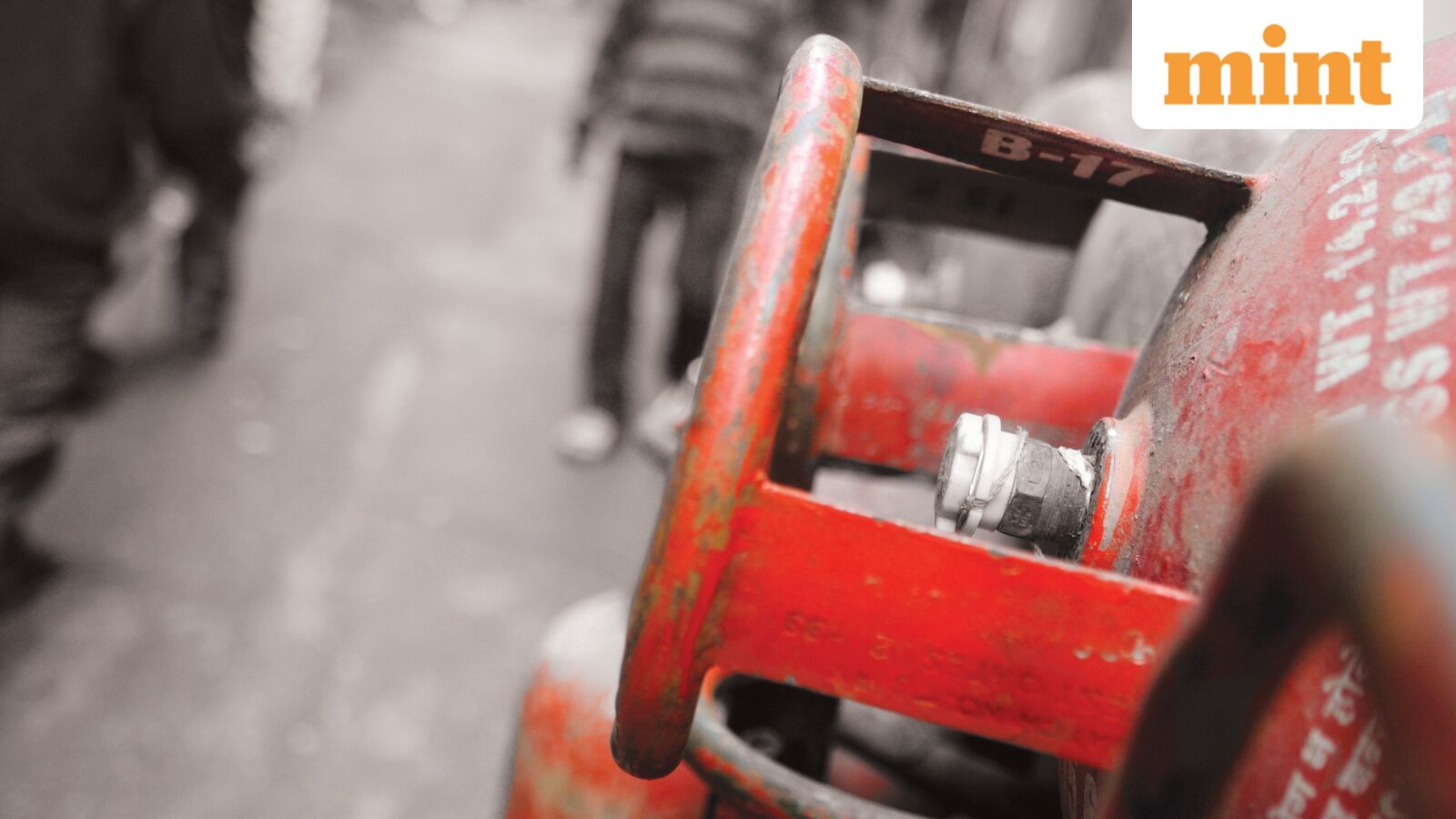
The supply squeeze has already pushed prices higher. Domestic LPG cylinder prices have risen by approximately ₹60, while commercial LPG prices have increased by ₹114.5. European gas prices have also surged nearly 40%, reflecting the wider impact of the disruption on global markets.
Investor Takeaway
Investors should be cautious of potential operational and cost pressures on sectors and listed companies in India due to global gas supply disruptions.
More in Economy

Treasury Yields Experience Largest Increase in Two Weeks Following Release of Labor Market Data

US-Iran Tensions Spark Uptick in Oil Prices Amid Global Market Decline

MoSPI Releases Uniform Norms for DDP Estimates with 2022-23 Base Year

