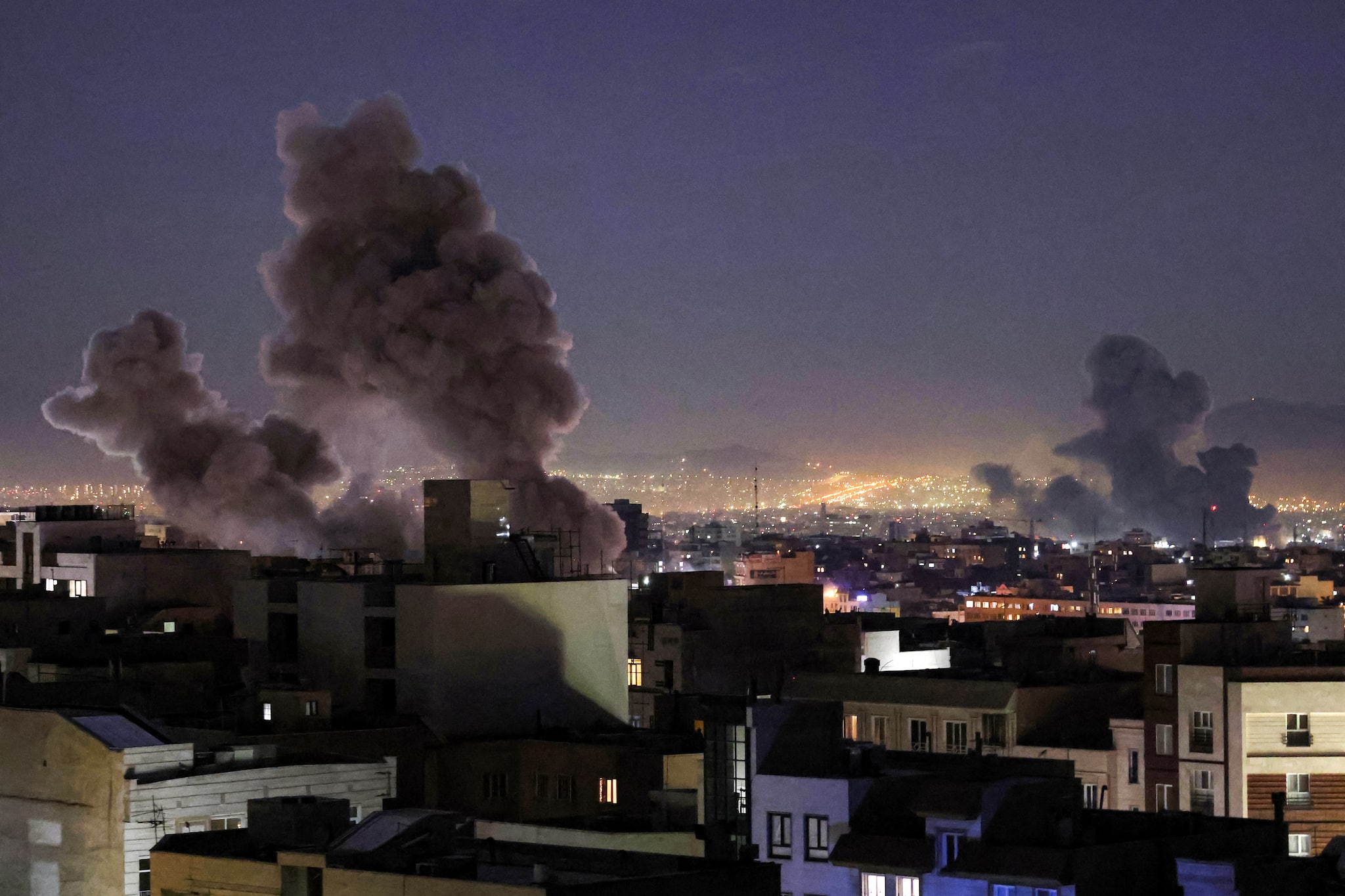
US-Iran Tensions Disrupt Key Trade Routes, Expose Indian Pharmaceutical Industry to Supply Chain Risks
Pharmaceutical Sector Braces for Supply-Chain Disruption Amid Escalating Conflict in West Asia
Key Figures:
- $30.47 billion: Value of Indian pharmaceutical exports in FY25
- $1.75 billion: Value of Indian pharmaceutical exports to the Middle East and North Africa (MENA) region in FY25
- 25%: Percentage of production costs attributed to power for API makers
- 10%: Surge in oil prices following US and Israeli strikes on Iran
- 3x to 5x: Increase in air-freight rates for emergency medical supplies
Summary:
Read also: Treasury Yields Experience Largest Increase in Two Weeks Following Release of Labor Market Data
The pharmaceutical sector is facing a high degree of uncertainty due to escalating conflict in West Asia, which is threatening to disrupt supply chains and drive up logistics and energy costs. Indian pharmaceutical exports, valued at $30.47 billion in FY25, are particularly vulnerable to disruptions in the Middle East and North Africa (MENA) region.
Impact on Supply Chains:
Manufacturers are relying on buffer stocks to manage delays, with some companies maintaining inventory levels of three to six months. However, potential delays in imports of active pharmaceutical ingredients (APIs) and specialty chemicals from China and Europe, respectively, could stall the production of complex generics and value-added medicines.
Cost Pressures:
Read also: US-Iran Tensions Spark Uptick in Oil Prices Amid Global Market Decline
A weakening rupee and rising crude prices are pushing up costs of petrochemical-derived solvents and chemical intermediates, which are essential to drug manufacturing. API makers are particularly sensitive to energy price spikes, with power accounting for as much as 25% of production costs. War-risk insurance premiums and freight surcharges have also risen sharply, raising fears of delayed shipments and higher input costs for Indian drugmakers.
Industry Concerns:
Industry leaders are worried that prolonged disruption could choke supplies of crucial ingredients, inflate manufacturing costs, and slow production of vital generics. The situation could worsen if geopolitical tensions continue to escalate, posing a significant risk to the pharmaceutical sector.
Investor Takeaway
Investors should be cautious of potential supply chain disruptions in the Indian pharmaceutical industry due to rising tensions in the Middle East.
More in Economy

Treasury Yields Experience Largest Increase in Two Weeks Following Release of Labor Market Data

US-Iran Tensions Spark Uptick in Oil Prices Amid Global Market Decline

MoSPI Releases Uniform Norms for DDP Estimates with 2022-23 Base Year

