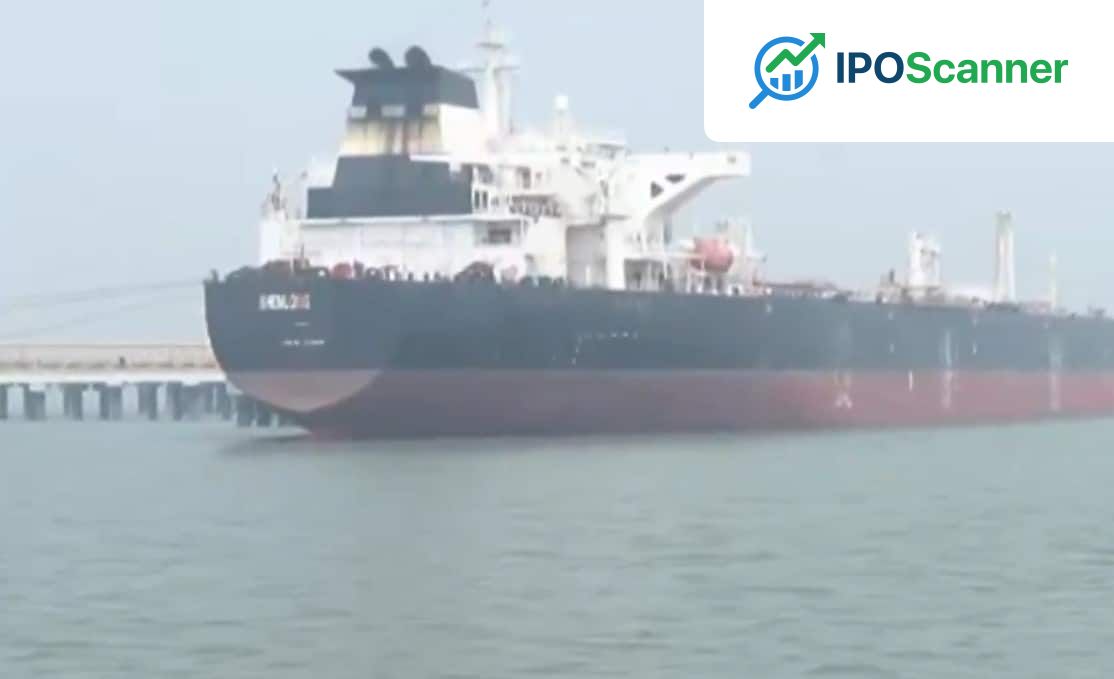
US Initiates Blockade of Iranian Ports, Oil Prices Decline Amid Hopes for Diplomatic Engagement
Global Tensions Escalate as U.S. Imposes Blockade on Iran's Ports
The United States military has begun a blockade of Iran's ports, sparking widespread uncertainty around the crucial Strait of Hormuz waterway. Despite hopes for dialogue to end the war, the move has added to the turmoil in oil markets, where benchmark prices fell below $100 on Tuesday.
The blockade, which began at 10 a.m. EDT (1400 GMT) on Monday, has been met with anger from Tehran, with the Iranian government threatening to retaliate against its Gulf neighbors' ports. The Strait of Hormuz, which is a vital shipping route, has been effectively shut to all vessels except those owned by Iran, with the country demanding passage be permitted only under its control and subject to a fee.
Since the United States and Israel began the war on February 28, Iran has shut the Strait of Hormuz to all vessels except its own, saying passage would be permitted only under Iranian control and subject to a fee. The fallout has been widespread, with nearly a fifth of the world's oil and gas supplies flowing through the narrow waterway before the start of the conflict.
Read also: Treasury Yields Experience Largest Increase in Two Weeks Following Release of Labor Market Data
| Comparison of Oil Prices | Pre-War | Post-War |
|---|---|---|
| Benchmark Price | $120 | $100 |
| Global Oil Supply | 20% | 18% |
The blockade has further clouded the outlook for global energy security and the supply of a vast array of goods that relies on petroleum. NATO allies, including Britain and France, have said they will not be drawn into the conflict by taking part in the blockade, stressing instead the need to reopen the waterway.
Despite the breakdown of talks between the U.S. and Iran on Sunday, Vice President JD Vance said the U.S. had made progress in communicating to Tehran where the U.S. could make some accommodation and where it would remain inflexible. Vance said Trump was adamant that any enriched nuclear material must be removed from Iran and a mechanism must be established to verify that Iran is not developing nuclear weapons.
The ceasefire that halted six weeks of U.S.-Israeli airstrikes and retaliatory fire from Iran across the Gulf looked in jeopardy, with only a week left to run. The U.S. military's Central Command said the blockade would be enforced impartially against vessels of all nations entering or leaving Iranian ports in the Gulf and Gulf of Oman.
Read also: US-Iran Tensions Spark Uptick in Oil Prices Amid Global Market Decline
| Key Dates | Event |
|---|---|
| February 28 | United States and Israel began the war |
| Monday | U.S. blockade began at 10 a.m. EDT (1400 GMT) |
| Tuesday | Chinese-owned oil-and-chemicals tanker Rich Starry passed through the strait |
The war has continued to escalate, with Israel launching an attack on Monday on a key south Lebanon town from Iran-backed Hezbollah. Israeli military said on Tuesday that an Israeli soldier was killed and three reservists were wounded during combat in southern Lebanon.
Investor Takeaway
Oil prices may fluctuate in response to diplomatic developments.
More in Economy

Treasury Yields Experience Largest Increase in Two Weeks Following Release of Labor Market Data

US-Iran Tensions Spark Uptick in Oil Prices Amid Global Market Decline

MoSPI Releases Uniform Norms for DDP Estimates with 2022-23 Base Year

