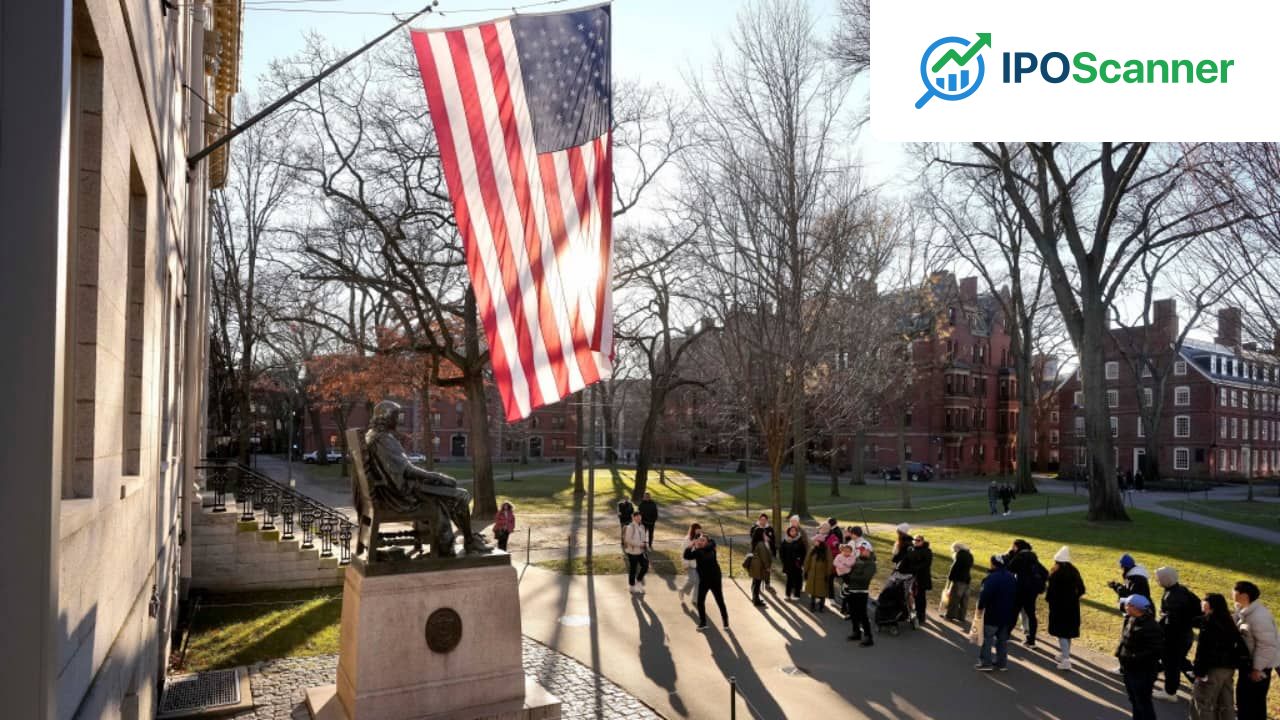
US Green Card Policy Shift Sparks Concern Among Indian Students, Boosts Interest in Alternative Destinations
US Immigration Uncertainty Deters Indian Students from Studying Abroad
A recent immigration memo from the US government has added to growing unease among Indian students planning to study in America, with founders of study abroad platforms warning that repeated uncertainty around visas, work permits, and long-term settlement pathways is beginning to reshape student preferences globally.
The memo from the US Citizenship and Immigration Services, released last week, reiterates that obtaining permanent residency from within the US is a discretionary benefit rather than an automatic entitlement. While the move does not change immigration law directly, industry executives said it strengthens an already growing perception that the US is becoming harder to navigate for international students seeking long-term career opportunities after graduation.
Settlement no longer a certainty
Read also: Treasury Yields Experience Largest Increase in Two Weeks Following Release of Labor Market Data
For years, the US remained the default overseas education destination for Indian students not just because of its universities, but because it offered a broader pathway combining education, jobs, and eventual settlement. However, the equation is now beginning to weaken.
The value proposition of a US degree is gradually being re-rated, especially for students whose goal is career mobility and eventual settlement, not just the classroom experience. This shift is becoming increasingly important for India's study abroad ecosystem, where counselling conversations have historically revolved heavily around post-study employment opportunities and long-term immigration prospects.
Comparison of Immigration Uncertainty in the US and Europe
| Destination | OPT Uncertainty | H-1B Lottery Uncertainty | Green Card Pathways Uncertainty |
|---|---|---|---|
| US | High | High | High |
| Germany | Low | Low | Low |
| Ireland | Low | Low | Low |
| France | Low | Low | Low |
| Netherlands | Low | Low | Low |
Read also: US-Iran Tensions Spark Uptick in Oil Prices Amid Global Market Decline
The uncertainty around the US is driving students to evaluate destinations perceived to offer more predictable immigration systems and clearer post-study pathways. As concerns around the US grow, students are increasingly prioritising alternatives such as Germany, Ireland, France, and the Netherlands.
Europe gains ground
Germany in particular is emerging as a strong alternative for cost-conscious Indian students looking for long-term work opportunities abroad. Globally, whenever one country tightens immigration pathways, others tend to benefit. Europe, particularly Germany, is likely to gain from this shift.
The shift is also being aided by broader mobility discussions between India and European countries around visa frameworks, recognition agreements, and skilled migration pathways.
Industry urges caution against overreaction
Even as concerns rise, some founders cautioned against interpreting the USCIS memo as a direct policy overhaul. The memo largely reiterates existing immigration principles and discretionary powers already available to authorities.
According to Akshay Chaturvedi, founder and CEO of Leverage Edu, the memo introduces no new law, rather simply reiterates that Adjustment of Status has always been a discretionary benefit, not an automatic entitlement, and that applications must be evaluated on the totality of circumstances. Students who maintain lawful status and comply with visa requirements continue to remain well-positioned despite the rhetoric around tightening immigration scrutiny.
Still, founders acknowledged that perception itself is becoming a challenge for the US in the Indian market. For many students and families making expensive overseas education decisions, the concern is increasingly shifting from a single policy change to a broader question of whether the US remains a stable long-term bet compared to emerging alternatives across Europe.
Investor Takeaway
Investors should be cautious of potential changes in global immigration policies and their impact on international students and the education sector.
More in Economy

Treasury Yields Experience Largest Increase in Two Weeks Following Release of Labor Market Data

US-Iran Tensions Spark Uptick in Oil Prices Amid Global Market Decline

MoSPI Releases Uniform Norms for DDP Estimates with 2022-23 Base Year

