US Fed Interest Rate Decision in Focus Amid US-Iran Tensions: Potential Impact on Indian Stock Market
US Federal Reserve Expected to Keep Interest Rates Unchanged Amid Global Economic Uncertainty
The US Federal Reserve is expected to maintain interest rates at 3.50%-3.75% on Wednesday, April 29, for the third consecutive time. The decision comes as the stalled US-Iran talks continue to drive up crude oil prices, putting pressure on global inflation.
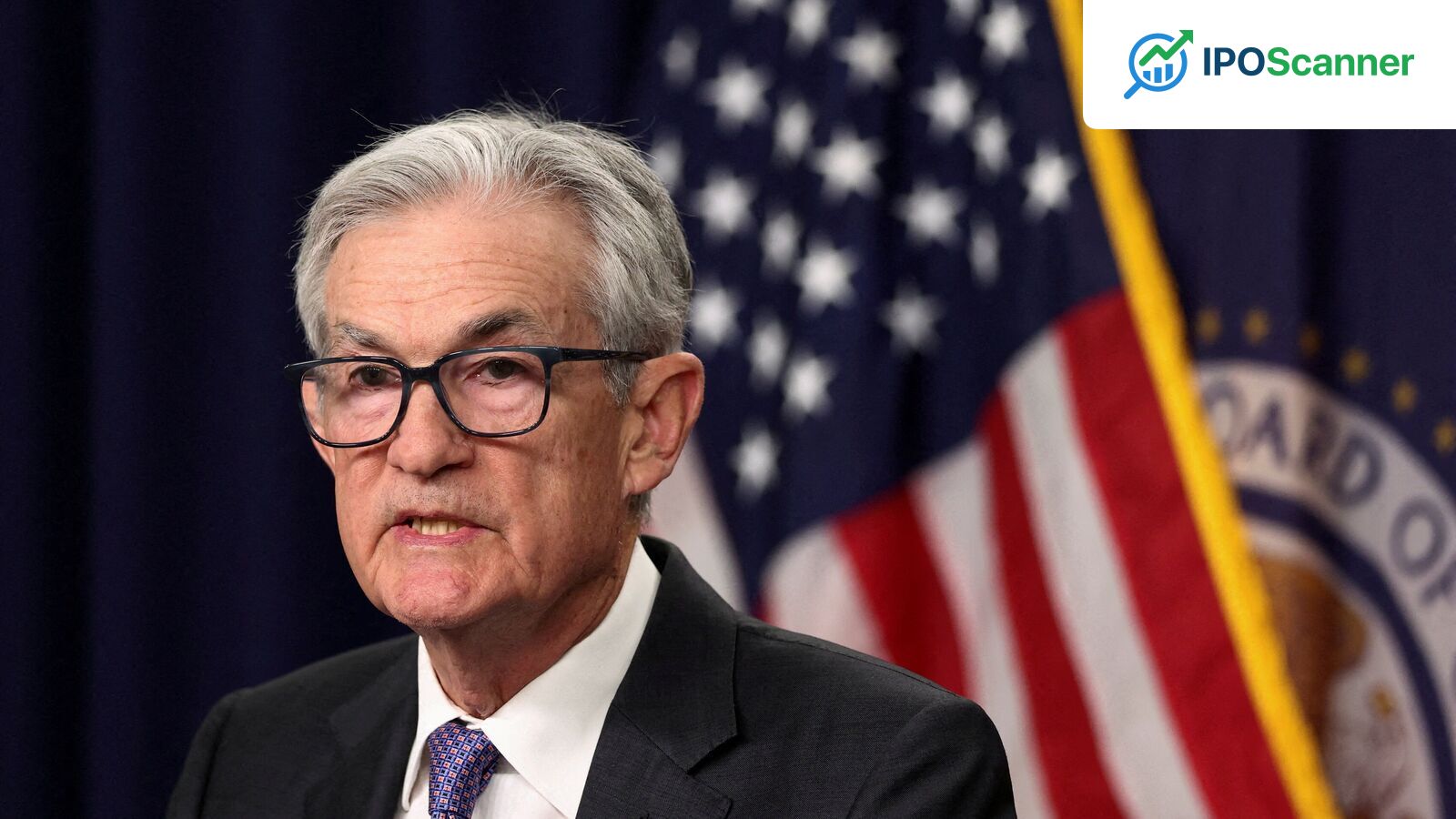
The Federal Open Market Committee (FOMC) meeting, scheduled for April 28-29, is expected to be a non-event for markets, with investors focusing on Fed Chair Jerome Powell's comments after the policy decision. However, there will be no fresh economic projections or dot plot in the April policy meeting.
Powell's term as Federal Reserve Chairman is set to expire on May 15, and the US Department of Justice has ended its probe of him, potentially paving the way for the confirmation of his successor. US President Donald Trump has picked Kevin Warsh to lead the Federal Reserve after Powell.
Key Economic Indicators
| Indicator | Q1 2020 | Q2 2020 | Q3 2020 | Q4 2020 |
|---|---|---|---|---|
| GDP Growth | 1.2% | 2.1% | 2.3% | 3.5% |
| PCE Inflation | 1.5% | 1.8% | 2.0% | 2.5% |
| Employment Cost Index | 2.5% | 3.0% | 3.5% | 4.0% |
| ISM Manufacturing Survey | 55.5 | 57.5 | 58.5 | 60.5 |
These key economic indicators are expected to be released within two days, providing officials with a reason to avoid dramatic guidance.
The monetary policy decision of the US Federal Reserve has a significant impact on global markets. Elevated rates boost the dollar and yields, triggering outflows from equity markets. A hawkish Fed can trigger risk-off sentiment, making investors move to safe-haven assets.
Read also: RBI Policy Preview: A Cautionary Wait Ahead
In the wake of the US-Iran conflict, emerging markets, including India, are facing significant challenges. The Reserve Bank of India (RBI) is likely to sustain its 5.25% repo rate and 'neutral' stance well into the year to anchor capital flows and manage the threat of imported inflation.
Impact on Emerging Markets
| Country | Repo Rate | Impact on GDP |
|---|---|---|
| India | 5.25% | 3.5% |
| China | 3.55% | 2.5% |
| Brazil | 4.25% | 2.0% |
The prolonged period of higher crude oil prices poses a significant risk to India's growth-inflation setup, with the country importing about 85-90% of its total crude oil requirements. The market is more focused on the US-Iran situation, with everything else, including the Fed policy meeting, being secondary.
The Iran situation has completely reshuffled the deck, with no US-Iran deal meaning no oil relief, no relief on inflation, and no relief from the Fed. For India and emerging markets broadly, 'higher for longer' is basically a slow bleed and bad for markets.
Investor Takeaway
Investors should monitor the US Federal Reserve's interest rate decision and Jerome Powell's comments for potential implications on the Indian stock market.
More in Economy

FirstClub Secures $55 Million in Funding from Peak XV, Sofina, and Other Investors 9 Months After $22 Million Series A Round
RBI Policy Preview: A Cautionary Wait Ahead

RBI Rate Cuts May Come to an End Amid Rising Oil Prices and Weakening Rupee: Expert Analysis