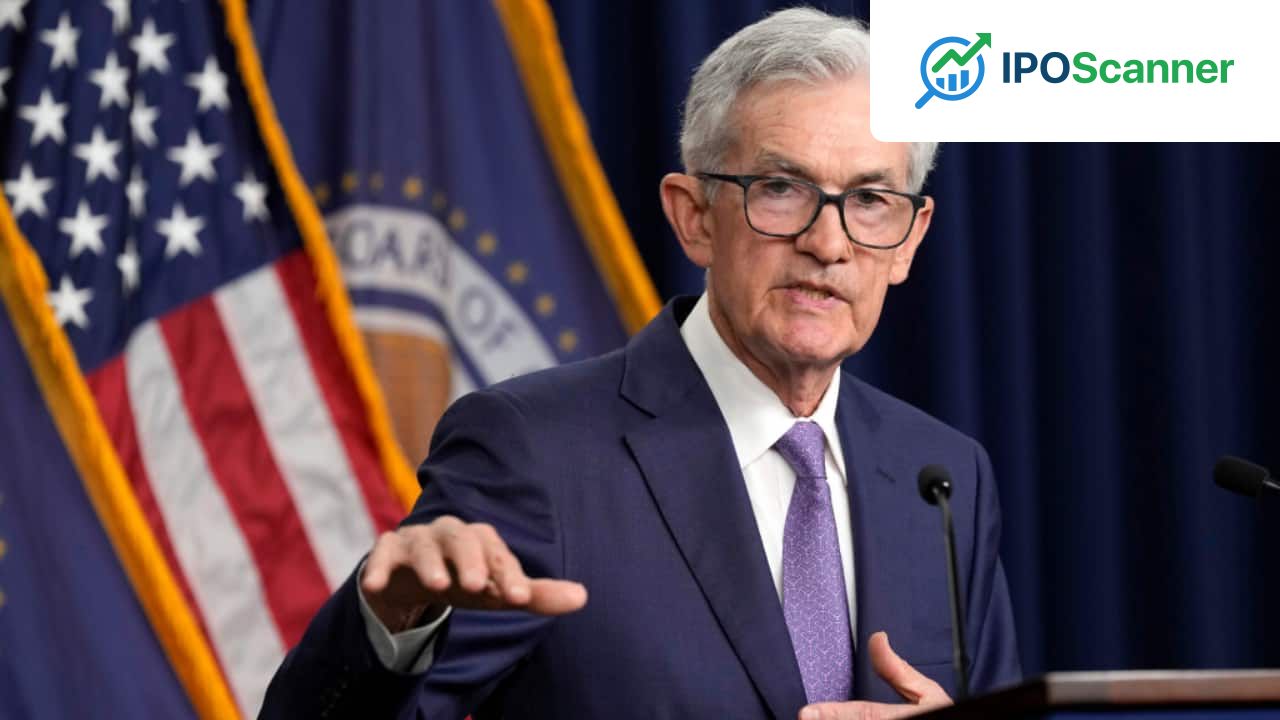
US Fed Cites Iran Conflict as Key Risk to Interest Rate Outlook
Federal Reserve Flags Iran Conflict as Key Economic Risk
The US Federal Reserve has identified the ongoing Iran conflict as a significant source of economic risk, citing rising energy prices and geopolitical uncertainty as factors complicating its policy outlook. In its latest policy statement, the central bank acknowledged that developments in the Middle East are "contributing to a high level of uncertainty about the economic outlook."
Despite keeping interest rates unchanged for a third consecutive time, the Fed sharpened its language on inflation, describing it as "elevated" and pointing specifically to the recent surge in global energy prices. Oil markets have reacted strongly to the conflict, with benchmark crude prices climbing sharply amid concerns over supply disruptions and a prolonged standoff in the region.
The labor market has shown signs of stabilization, with the unemployment rate largely unchanged. However, job gains have remained modest, leaving the economy vulnerable to shocks even as price pressures persist. The Fed's decision to hold rates steady at 3.5-3.75 percent came alongside an unusually high degree of internal disagreement, reflecting differing views on how to respond to the evolving risks.
Read also: Treasury Yields Experience Largest Increase in Two Weeks Following Release of Labor Market Data
| Policy Response | Previous Quarter | Current Quarter |
|---|---|---|
| Interest Rates | 3.25-3.5% | 3.5-3.75% |
| Unemployment Rate | 3.4% | 3.4% |
| Job Gains | 150,000 | 100,000 |
Market reaction reflected the growing concern around energy-driven inflation. Oil prices surged further, while equities remained under pressure, as investors weighed the implications of a prolonged conflict on both inflation and growth. The central bank's commentary suggests that the Iran conflict has emerged as a central variable in its policy calculus, threatening to keep inflation elevated while also weighing on economic momentum.
Investor Takeaway
Investors should be cautious of potential interest rate changes due to geopolitical risks.
More in Economy

Treasury Yields Experience Largest Increase in Two Weeks Following Release of Labor Market Data

US-Iran Tensions Spark Uptick in Oil Prices Amid Global Market Decline

MoSPI Releases Uniform Norms for DDP Estimates with 2022-23 Base Year

