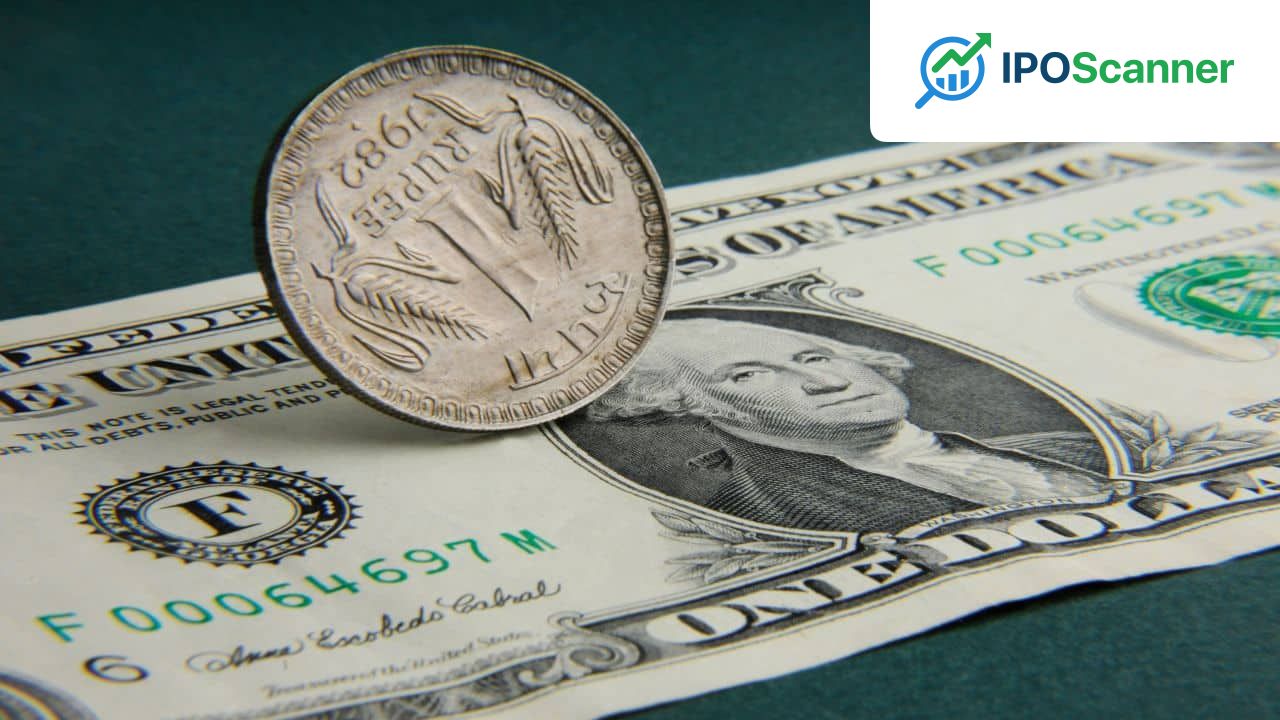
US Dollar Weakens Following Confirmation of Middle East Ceasefire
Global Markets Weigh Iran Conflict and Economic Developments
The U.S. dollar edged down on Tuesday in response to ongoing developments in the Iran war, while the yen nudged lower in muted trade following a suspected intervention by Tokyo last week. The dollar index, which measures the U.S. currency against six peers, was 0.03% lower at 98.437 after rising 0.3% on Monday.
The euro was 0.1% higher at $1.17005, while sterling was 0.1% higher at $1.35510. This relatively stable performance in the currency market reflects the current state of uncertainty surrounding the Iran conflict. U.S. Defense Secretary Pete Hegseth stated on Tuesday that the ceasefire with Iran was not over, even as the U.S. and Iran exchanged fire in the Gulf as they wrestled for control of the Strait of Hormuz.
Market Analysis
Read also: Treasury Yields Experience Largest Increase in Two Weeks Following Release of Labor Market Data
Shaun Osborne, chief currency strategist at Scotiabank, noted that the market has been in a state of stasis. The recent headlines suggesting that the ceasefire was at risk of breaking down did not lead to a significant market reaction, as President Trump did not launch another wave of attacks. This lack of action may be attributed to Trump's upcoming visit to China, where he will meet with Chinese President Xi Jinping later this month.
Economic Data
The U.S. trade deficit widened in March, driven by an artificial intelligence investment boom that pulled in imports, more than offsetting an increase in exports. Exports were partly boosted by petroleum shipments amid the Middle East conflict. The U.S. trade deficit rose to $74.1 billion in March, a significant increase from the previous month.
Currency Market Developments
Read also: US-Iran Tensions Spark Uptick in Oil Prices Amid Global Market Decline
Against the yen, the dollar rose 0.4% to 157.85, after sharp losses since Thursday. Data last week pointed to roughly $35 billion in spending by Tokyo to boost the yen, although analysts think it is unlikely to help the battered currency in the long term. The yen has languished for years, weighed down by Japan's ultra-low rates and a widening gulf with higher-yielding developed markets, compounded by mounting fiscal unease.
Risk On
The Australian dollar rose 0.3% to $0.7187, after the central bank raised interest rates for the third straight meeting to tame inflation. The central bank sharply raised its inflation forecasts, while downgrading the outlook for economic growth and employment due to the global energy shock.
| Currency | Change |
|---|---|
| Australian Dollar | +0.3% |
| Mexican Peso | -0.8% |
| South African Rand | -0.7% |
| Bitcoin | +2% |
The dollar slipped against riskier currencies, falling 0.8% against the Mexican peso and nearly 0.7% against the South African rand. Leading cryptocurrency bitcoin rose 2% to $81,271, its highest since January 31.
More in Market

Treasury Yields Experience Largest Increase in Two Weeks Following Release of Labor Market Data

US-Iran Tensions Spark Uptick in Oil Prices Amid Global Market Decline

Indian Stocks to Watch: BHEL, Agarwal Industrial, JBM Auto, Rajesh Exports, Indian Energy Exchange, Lenskart Solutions in Market Focus on June 4.