Unified Bharat e-Charge Poised to Revolutionize Electric Vehicle Charging Infrastructure in India
National Unified EV Charging App Aims to Create Seamless Electric Vehicle Charging Ecosystem
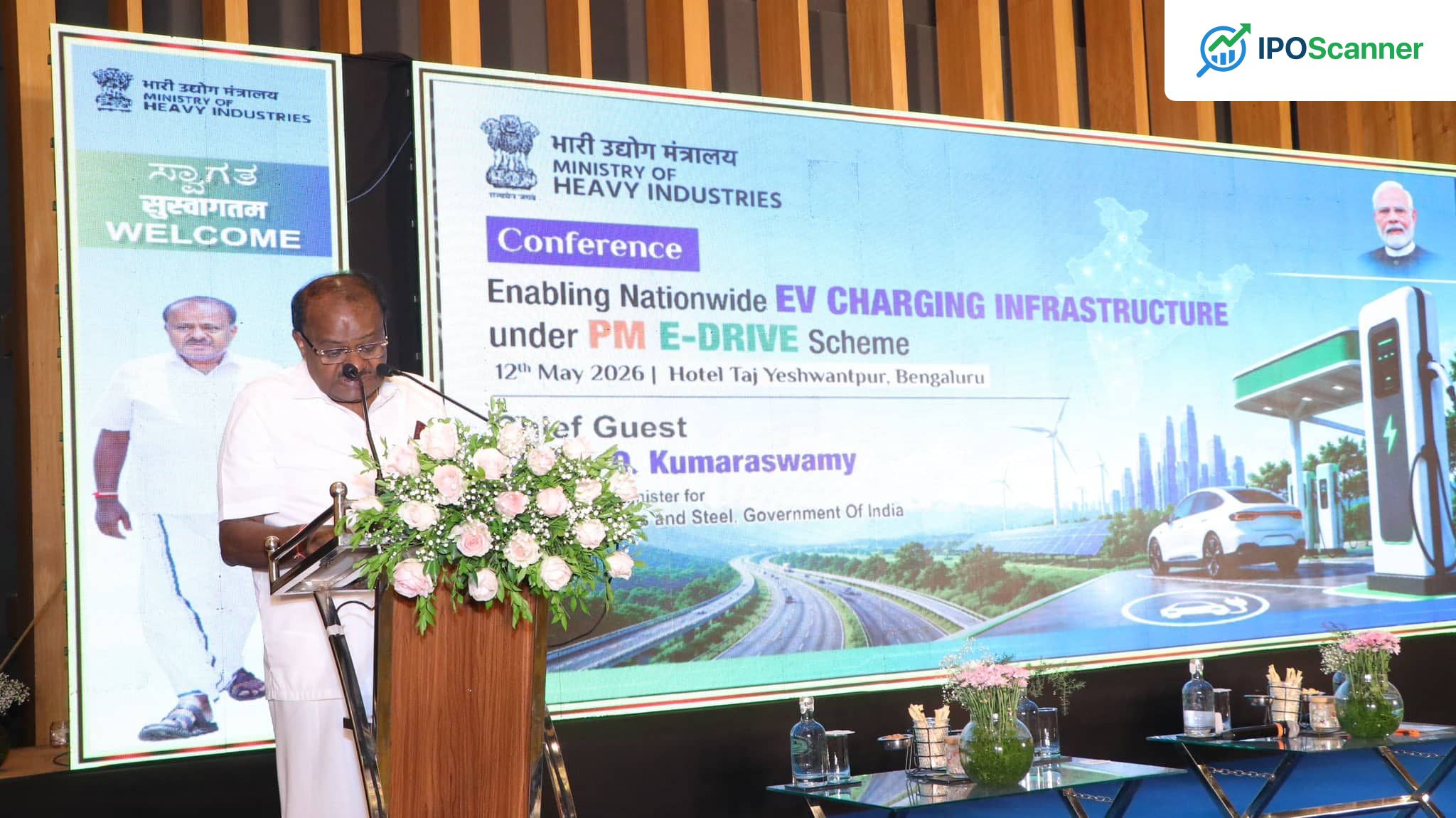
The Centre is working on a National Unified EV Charging App - Unified Bharat e-Charge (UBC) - aimed at creating a seamless electric vehicle charging ecosystem across the country. Union Minister for Heavy Industries HD Kumaraswamy announced the development of the platform, which is expected to allow EV users to discover, access, and pay across charging networks operated by different companies through a single interface.
The government is also exploring the integration of EV charging payments through the BHIM app. Kumaraswamy was initially expected to launch UBC during the national conference on enabling nationwide EV charging infrastructure under the PM E-DRIVE Scheme in Bengaluru on May 12. However, the launch has now been postponed and is likely to take place later in New Delhi.
Rs 2,000 Crore Earmarked for Charging Infrastructure
Read also: Treasury Yields Experience Largest Increase in Two Weeks Following Release of Labor Market Data
Kumaraswamy emphasized the importance of public charging infrastructure in the ecosystem, stating that Rs 2,000 crore has been earmarked under the PM E-DRIVE Scheme for the deployment of EV charging stations across the country. He also announced the approval of proposals from Karnataka involving 1,243 EV chargers with a financial outlay of Rs 123.26 crore.
EV Charging Proposals Approved Under PM E-DRIVE Scheme
| State/CPSE | Number of EV Chargers | Financial Outlay (Rs. Crore) |
|---|---|---|
| Karnataka | 1,243 | 123.26 |
| Total | 4,874 | 503.86 |
Under the FAME-II scheme, oil marketing companies (OMCs) have installed 8,932 EV chargers, with subsidies amounting to Rs 873.5 crore disbursed by the ministry. Of these, 721 chargers have been installed in Karnataka.
Read also: US-Iran Tensions Spark Uptick in Oil Prices Amid Global Market Decline
Focus on Seamless EV Charging Ecosystem
The Ministry of Heavy Industries, in close coordination with the Ministry of Power, state governments, and industry stakeholders, will ensure that grid readiness, standardisation, and digital integration keep pace with growing demand. Kumaraswamy outlined the government's roadmap for EV charging infrastructure, which will be guided by three core principles: accessibility, affordability, and reliability.
Government Schemes Driving EV Adoption
| Scheme | Outlay (Rs. Crore) |
|---|---|
| Production Linked Incentive (PLI) scheme for Advanced Chemistry Cells (ACC) | 18,100 |
| PLI Auto scheme | 25,938 |
| Rare Earth Permanent Magnet (REPM) scheme | 7,280 |
| PM E-DRIVE Scheme | 10,900 |
Kumaraswamy stated that the government's policy initiatives are aimed at boosting domestic battery cell manufacturing, promoting the manufacturing of cleaner vehicles, including EVs and hydrogen-powered vehicles, and making India self-reliant in rare earth magnet technology.
Private Sector Participation Key to EV Ecosystem
Kumaraswamy acknowledged the role of private sector players in strengthening the EV ecosystem, highlighting the innovation and execution capabilities of companies such as Tata Power, ChargeZone, Mahindra & Mahindra, and others.
Investor Takeaway
The government's initiative to create a unified EV charging ecosystem may positively impact the growth of the electric vehicle industry in India.
More in Market

Treasury Yields Experience Largest Increase in Two Weeks Following Release of Labor Market Data

US-Iran Tensions Spark Uptick in Oil Prices Amid Global Market Decline

Indian Stocks to Watch: BHEL, Agarwal Industrial, JBM Auto, Rajesh Exports, Indian Energy Exchange, Lenskart Solutions in Market Focus on June 4.