Understanding the Impact of Crude Oil Price Fluctuations on Upstream and Downstream Companies
Crude Oil Prices Impact Oil Companies Differently
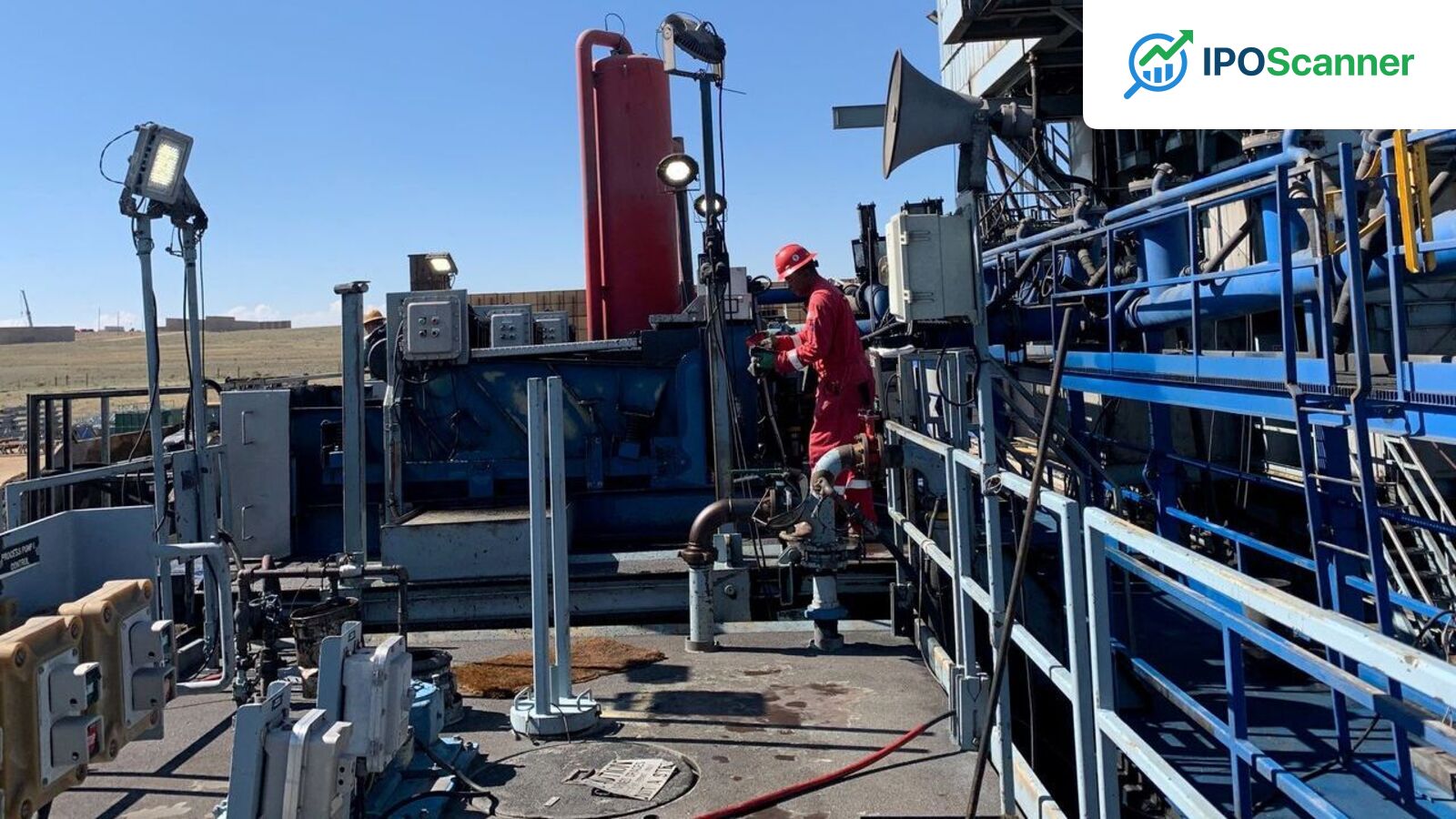
The oil and gas industry is a complex ecosystem that involves various stages, including upstream, midstream, and downstream operations. Upstream functions focus on acquiring raw materials and manufacturing, while downstream processes involve the processing, distribution, promotion, and selling of finished goods to final consumers.
Upstream Operations: Securing Raw Materials
Upstream industries, such as mining, farming, crude oil exploration, and suppliers of raw materials, focus on acquiring raw materials and getting them ready for manufacturing. Their main objective is to secure a dependable and economical supply of inputs. Expenses at this stage primarily cover research and development, extraction, and sourcing.
Read also: Treasury Yields Experience Largest Increase in Two Weeks Following Release of Labor Market Data
Downstream Operations: Efficient Distribution and Sales
Downstream businesses, such as refineries, retail outlets, logistics firms, and marketing agencies, manage the concluding phases of product delivery, including processing, distribution, retail, and customer interactions. They concentrate on efficiently delivering products and satisfying market needs. Expenses in this segment include transportation costs, advertising fees, and sales-related expenditures.
Impact of Crude Prices on Oil Companies
Crude oil prices have a significant impact on oil companies, with upstream and downstream companies experiencing different effects. According to Mohit Gulati, CIO and managing partner of ITI Growth Opportunities Fund, upstream companies, which produce crude oil, usually benefit when prices rise because they earn more per barrel sold. Higher crude generally means stronger revenues and profitability for oil producers.
Read also: US-Iran Tensions Spark Uptick in Oil Prices Amid Global Market Decline
| Company Type | Effect of Rising Crude Prices |
|---|---|
| Upstream | Increased revenues and profitability |
| Downstream | Increased input costs, pressure on margins |
In contrast, downstream companies, such as refiners and fuel retailers, face a more complex situation. Rising crude prices increase their input costs, and in India, their margins are also influenced by government policy, fuel price controls, and the extent to which the increase can realistically be passed on to consumers.
Integrated Players: Straddling Upstream and Downstream
Integrated players, such as Reliance Industries, straddle both segments, with performance linked to refining, petrochemicals, and retail dynamics. According to Harshal Dasani, Business Head, INVasset PMS, upstream players, such as ONGC and Oil India, are engaged in the exploration and production of crude oil and natural gas. When crude prices rise, their realisations improve, typically boosting revenue, operating profit, and cash flows.
However, gains may be moderated by factors such as windfall taxes, subsidy-sharing, declining output from mature fields, and currency movements. In essence, upstream performs best when oil prices are firm, and policy intervention remains limited.
Investor Takeaway
Investors should monitor crude oil price fluctuations for potential impacts on upstream and downstream companies.
More in Economy

Treasury Yields Experience Largest Increase in Two Weeks Following Release of Labor Market Data

US-Iran Tensions Spark Uptick in Oil Prices Amid Global Market Decline

MoSPI Releases Uniform Norms for DDP Estimates with 2022-23 Base Year

