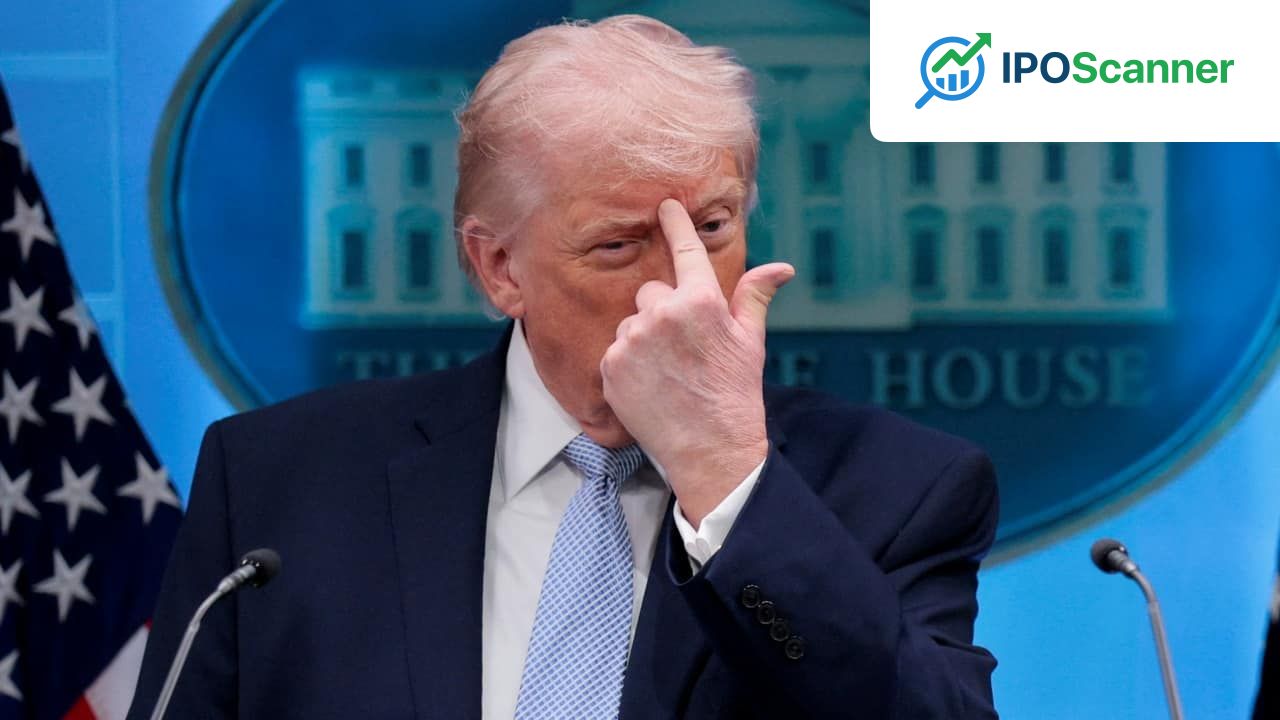
Trump Signals Potential Blockade of Strait of Hormuz Amid Rising Tensions
US Threatens Naval Blockade on Strait of Hormuz After Peace Talks with Iran Collapse
US President Donald Trump on Sunday threatened to impose a naval blockade on the Strait of Hormuz, a move that could further disrupt global energy supplies and escalate tensions in the Middle East. This decision comes after peace talks with Iran collapsed, prompting a wave of sharp reactions online from analysts, commentators, and political figures warning of wider consequences.
Speaking after US-Iran negotiations in Pakistan ended without an agreement, Trump stated that the US Navy would block "any and all" ships entering or leaving the strategic waterway, also warning that vessels paying Iran for passage could be intercepted in international waters. The Strait of Hormuz is one of the world's most critical energy chokepoints, handling roughly a fifth of global oil shipments. Trump's remarks immediately raised concerns about the impact on oil prices, shipping security, and regional stability.
The international community has expressed concern over the potential consequences of a unilateral blockade. Richard N. Haass, former US diplomat and president emeritus of the Council on Foreign Relations, suggested a new governance system for the waterway involving Iran but without granting it control. Haass emphasized the importance of reopening the strait while avoiding long-term damage.
Read also: Treasury Yields Experience Largest Increase in Two Weeks Following Release of Labor Market Data
Others have been more critical of Trump's proposal. Chad Scott, a foreign policy commentator, described the proposal as "dumb," arguing that escalating pressure would create global panic without improving security. Scott also warned that Iran could benefit politically from further instability.
The Potential Consequences of a Blockade
| Country/Region | Oil Imports from the Gulf (2025) |
|---|---|
| China | 2.3 million barrels per day |
| India | 1.4 million barrels per day |
| Japan | 1.2 million barrels per day |
| South Korea | 1.1 million barrels per day |
| United States | 0.5 million barrels per day |
A blockade of the Strait of Hormuz would not only target Iran but also countries dependent on Gulf oil, including China. The Strait of Hormuz is a critical energy chokepoint, and any disruption to its operations could have far-reaching consequences for global energy markets.
Read also: US-Iran Tensions Spark Uptick in Oil Prices Amid Global Market Decline
Critics of the proposal, including union official Howard Beckett, have accused Trump of recklessness and called for impeachment. Others have warned of a broader regional shutdown, with key sea routes for oil and trade potentially being paralyzed, potentially triggering a major global energy crisis.
The Guardian reported that US officials have offered limited details on how the blockade would be enforced or how allies would respond, even as tensions continue to mount around global shipping lanes.
Investor Takeaway
Global energy supplies and oil prices may be disrupted due to rising tensions in the Middle East.
More in Economy

Treasury Yields Experience Largest Increase in Two Weeks Following Release of Labor Market Data

US-Iran Tensions Spark Uptick in Oil Prices Amid Global Market Decline

MoSPI Releases Uniform Norms for DDP Estimates with 2022-23 Base Year

