Trump Acknowledges Prediction Markets as a Major Industry, Criticizes State-Level Regulations
Prediction Market Industry Under Fire as US States Impose Restrictions
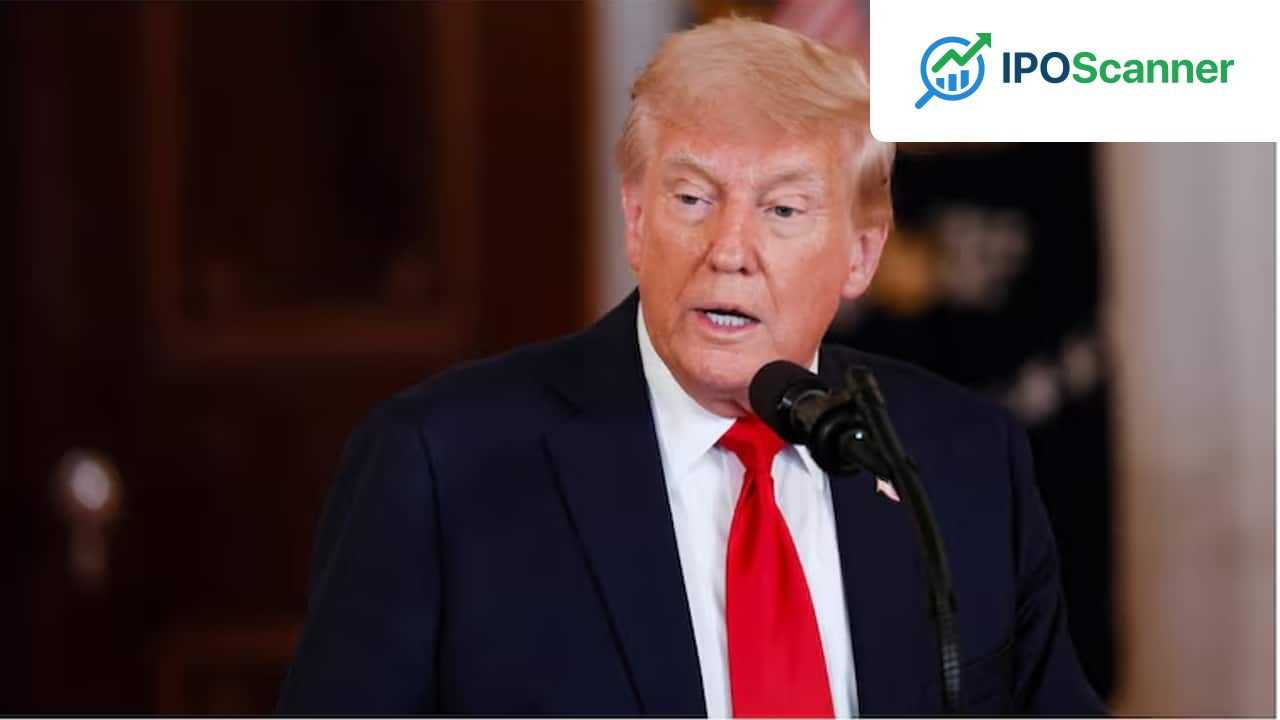
US President Donald Trump has come to the defense of the rapidly growing prediction market industry, stating that it is "critically important" for the federal government to retain control over the sector. In a social media post on Tuesday, Trump argued that the Commodity Futures Trading Commission (CFTC) should continue to hold "exclusive authority" over prediction markets, which allow users to place speculative bets on the outcome of future events.
The industry has expanded rapidly in recent years, attracting scrutiny from multiple US states that argue prediction markets closely resemble gambling and should therefore be regulated under state gaming laws. Firms such as Kalshi and Polymarket maintain that their platforms are financial derivatives markets where traders buy and sell contracts linked to future outcomes. Federal authorities have largely backed this interpretation, with the CFTC regulating the sector as part of the broader derivatives market framework aimed at preventing fraud and protecting consumers.
Despite previously saying he "was never much in favor" of prediction markets, Trump and his family have business interests tied to the industry. His media company launched a prediction market-related product last year, while Donald Trump Jr reportedly has links with two major prediction market firms. The rapid rise of the industry has also raised ethical concerns, particularly around the possibility of insiders profiting from confidential information tied to major geopolitical or political developments.
Read also: Treasury Yields Experience Largest Increase in Two Weeks Following Release of Labor Market Data
One notable case involved US army soldier Gannon Ken Van Dyke, who allegedly earned more than $400,000 through trades connected to the capture of former Venezuelan president Nicolás Maduro after reportedly accessing classified military information. Prosecutors charged him last month with multiple insider-trading-related offences.
The following table highlights the growth of prediction market trading volumes on Kalshi:
| Year | Weekly Trading Volumes |
|---|---|
| 2022 | $100 million |
| Current | $3 billion |
More than a dozen US states have explored measures to restrict prediction markets this year. Minnesota became the first state to ban them outright after governor Tim Walz signed legislation last week. Minnesota attorney general Keith Ellison defended the move, arguing that prediction markets are addictive and disproportionately harm lower-income individuals while benefiting wealthy traders.
Read also: US-Iran Tensions Spark Uptick in Oil Prices Amid Global Market Decline
Soon after the law was signed, the CFTC filed a federal lawsuit challenging the state's ban. Trump sharply criticised several political opponents in his social media post, writing: "We cannot have SCUM like Chris Christie, Letitia James, Tim Walz, and JB Pritzker setting the rules! Other Countries are after this new form of Financial Market, and we want to remain at the top." He added: "It's a major industry and we must protect it."
Scepticism over prediction markets is not limited to Democrats. Minnesota's legislation received bipartisan support, while Republican lawmakers in Utah are also considering curbs due to the state's traditionally strict stance on gambling.
Investor Takeaway
The prediction market industry may face less regulatory scrutiny at the federal level, potentially leading to increased growth and adoption.
More in Market

Treasury Yields Experience Largest Increase in Two Weeks Following Release of Labor Market Data

US-Iran Tensions Spark Uptick in Oil Prices Amid Global Market Decline

Indian Stocks to Watch: BHEL, Agarwal Industrial, JBM Auto, Rajesh Exports, Indian Energy Exchange, Lenskart Solutions in Market Focus on June 4.