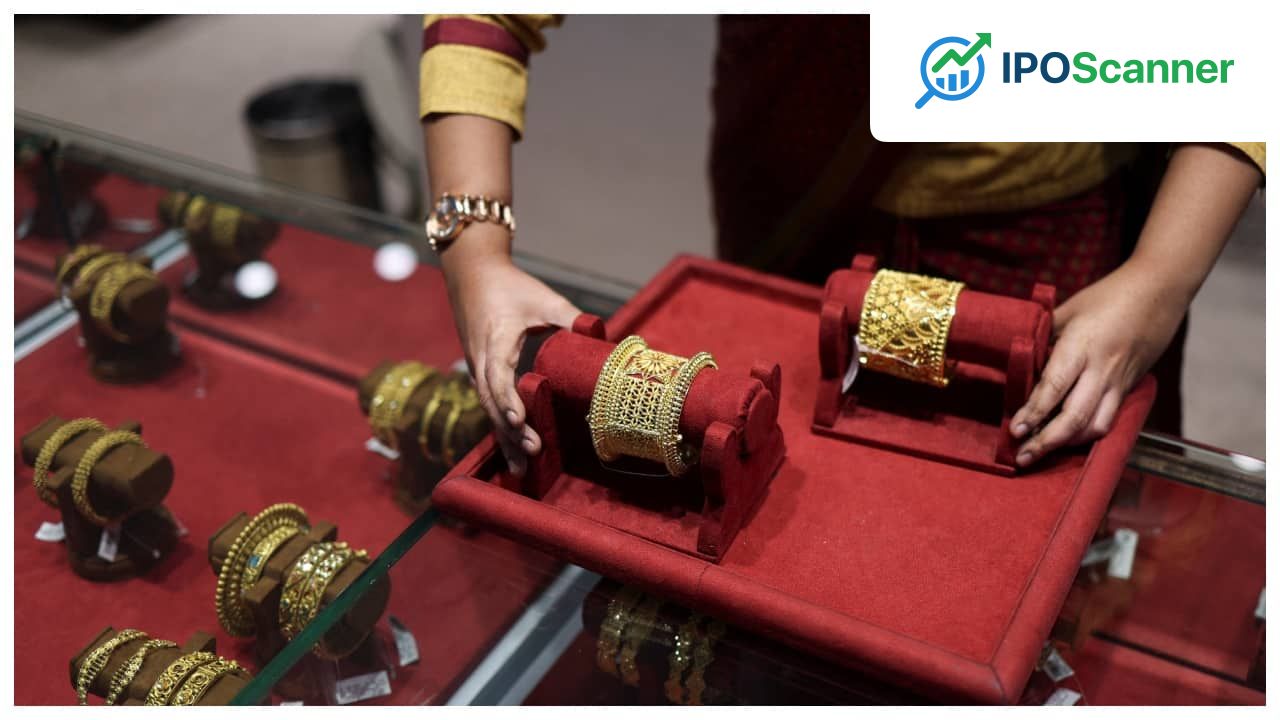
Top Jewellers Advocate for Old Gold Exchange to Unlock Home Reserves
India's Gold Market Tackles Import Duties with Innovative Initiatives
The Indian government's recent decision to hike import duties on gold and silver to 15 percent from 6 percent has prompted top jewellery retailers to introduce initiatives aimed at recirculating "idle gold" stashed in households. This move follows Prime Minister Narendra Modi's appeal to citizens to delay gold purchases for a year to alleviate stress on the country's foreign exchange reserves.
India boasts the largest above-ground gold reserves in the world, with its citizens and temples holding a significant portion of the total. Titan Company, the country's largest jewellery retailer, has been at the forefront of gold exchange programmes for over 25 years. Its initiative now meets 50 percent of its gold sourcing requirements. In response to the government's move, Kalyan Jewellers announced a four-point strategy to reduce gold imports by five tonnes this fiscal. The "Nation First–Gold4India Initiative" aims to drive old gold exchange programmes, promote lighter 18 carat (kt) jewellery, and monetisation schemes, as well as a gold recirculation drive.
To facilitate the gold recirculation drive, Kalyan Jewellers plans to open dedicated counters at its 342 stores, providing a professionally managed and transparent gold monetisation service. The company has already seen a significant increase in old-gold exchange, with the mix of old-gold exchange in the December quarter reaching over 30 percent, a 1-2 percent rise from the previous year.
Read also: Treasury Yields Experience Largest Increase in Two Weeks Following Release of Labor Market Data
In a letter to the Prime Minister, the Gems and Jewellery Export Promotion Council (GJEPC) listed out measures to curb imports and revitalise Indian idle gold. The council recommended promoting sales of lower caratage jewellery, which can help reduce imports by 20-30 percent, and encouraging consumers to exchange old gold for new jewellery to decrease import dependence.
Malabar Gold & Diamonds has also submitted a proposal to the Centre, recommending strategic enhancements to the gold monetisation scheme. The company's chairman, MP Ahammad, highlighted the potential of gold monetisation and old gold exchange in alleviating stress on imports. "If even a fraction of the idle gold in households is brought back into circulation through formal exchange and recycling, pressure on fresh imports eases meaningfully without the consumer giving up the cultural or financial role gold plays in their life," he said.
The industry executive noted that gold monetisation and old gold exchange can help alleviate stress on imports by reusing reserves that can keep being reused in an economy. Measures like re-engineering the portfolio mix, introducing light-weight 18 Kt and 14 Kt jewellery, also help reduce gold demand in a country where 22 Kt jewellery is preferred.
| Company | Gold Imports (FY26) | Change from Previous Year |
|---|---|---|
| India | $71.98 billion | 24% |
| Previous Year | $45.54 billion | - |
Read also: US-Iran Tensions Spark Uptick in Oil Prices Amid Global Market Decline
India, the world's second-largest gold market, imports nearly all of its gold requirements and more than 85 percent of its crude oil needs. Spikes in oil and bullion imports can widen the current account deficit and increase pressure on the rupee. The government's move to hike import duties and the jewellery retailers' initiatives aim to reduce this pressure and promote a more sustainable gold market.
Investor Takeaway
Investors should consider the potential impact of government policies on gold imports and the related economic effects.
More in Economy

Treasury Yields Experience Largest Increase in Two Weeks Following Release of Labor Market Data

US-Iran Tensions Spark Uptick in Oil Prices Amid Global Market Decline

MoSPI Releases Uniform Norms for DDP Estimates with 2022-23 Base Year

