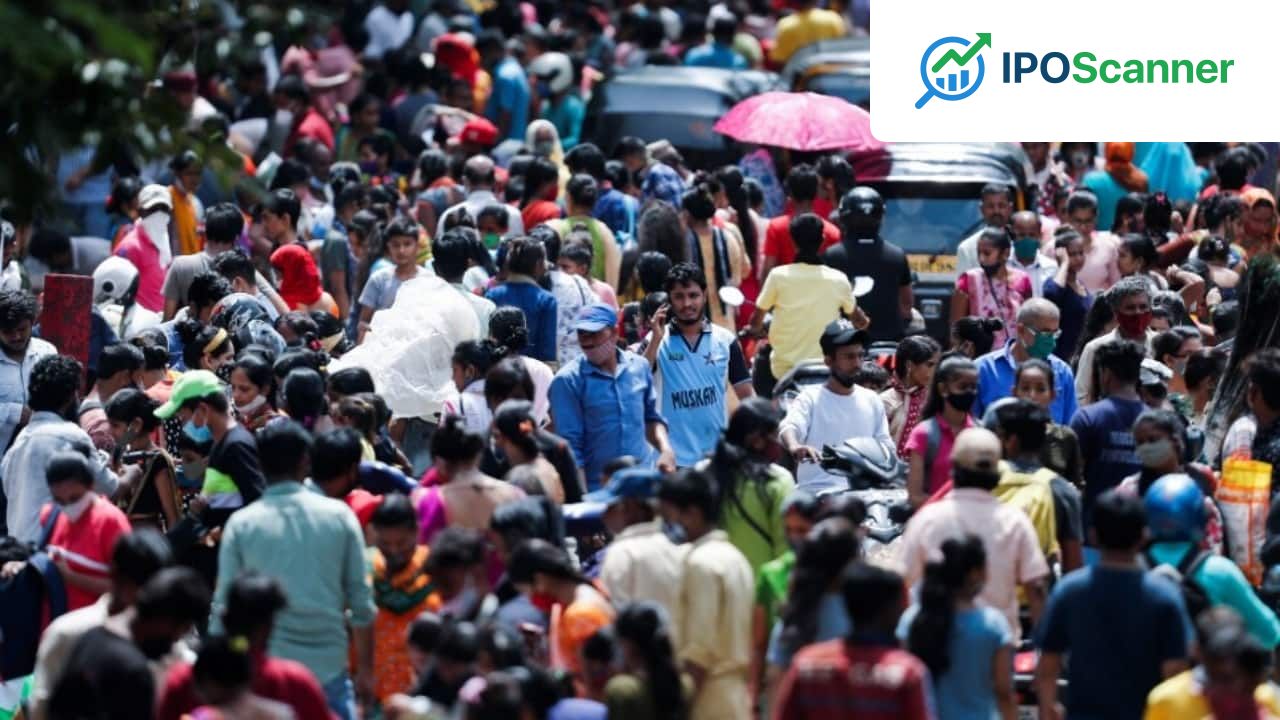
Three Indian States Resist Post-Pandemic Fertility Slump
India's Demographic Slowdown Continues After Pandemic
India's demographic slowdown following the pandemic has been widespread, with only three states recording higher birth rates in 2024 compared to pre-pandemic 2019 levels, according to a Moneycontrol analysis of Sample Registration System data.
The states of Tripura, Nagaland, and Bihar were the only exceptions to the trend, as most of the country witnessed a decline in fertility and natural population growth. Tripura recorded the sharpest increase among all states, with its crude birth rate rising from 12.8 births per 1,000 population in 2019 to 15 in 2024, an increase of 2.2 points.
| State | Crude Birth Rate (2019) | Crude Birth Rate (2024) | Natural Growth Rate (2019) | Natural Growth Rate (2024) |
|---|---|---|---|---|
| Tripura | 12.8 | 15 | 7.4 | 9.1 |
| Nagaland | 12.7 | 13.3 | 9.2 | 8 |
| Bihar | 25.8 | 26.8 | 20.2 | 20.8 |
Read also: Treasury Yields Experience Largest Increase in Two Weeks Following Release of Labor Market Data
The state's natural population growth rate also accelerated from 7.4 to 9.1, making it one of the few major states where overall population growth strengthened after the pandemic. The natural growth rate is the difference between the birth and death rates.
Bihar, which already has the highest birth rate among large states, also saw a further increase. The state's crude birth rate rose from 25.8 in 2019 to 26.8 in 2024, while natural population growth increased from 20.2 to 20.8.
Nagaland recorded a smaller rise in birth rates, which increased from 12.7 to 13.3. However, its natural growth rate still moderated from 9.2 to 8, indicating that other demographic factors offset rising birth rates.
In contrast, almost every other state recorded a decline in both birth rates and natural population growth. Southern states experienced some of the sharpest slowdowns, with Tamil Nadu seeing its birth rate fall from 14.2 to 11.6 between 2019 and 2024, and natural growth drop sharply from 8.1 to 4.8.
Read also: US-Iran Tensions Spark Uptick in Oil Prices Amid Global Market Decline
Kerala also recorded a steep demographic slowdown, with birth rates declining from 13.5 to 11.1 and natural growth falling from 6.4 to 3.9.
Other states that posted weaker demographic growth over the period include Karnataka and Andhra Pradesh, which are larger northern states, Uttar Pradesh, Madhya Pradesh, and Rajasthan.
Urbanised regions witnessed particularly sharp moderation. In Delhi, the birth rate fell from 14.4 to 12.8, while natural growth slowed from 11.2 to 8.4.
The broad-based decline suggests that India's fertility transition accelerated after the pandemic, extending the longer-term trend of falling birth rates across most states.
At the same time, the persistence of higher fertility in Bihar and the reversal in Tripura indicate that demographic transition remains uneven across the country, with substantial regional differences continuing to shape India's population trajectory.
More in Economy

Treasury Yields Experience Largest Increase in Two Weeks Following Release of Labor Market Data

US-Iran Tensions Spark Uptick in Oil Prices Amid Global Market Decline

MoSPI Releases Uniform Norms for DDP Estimates with 2022-23 Base Year

