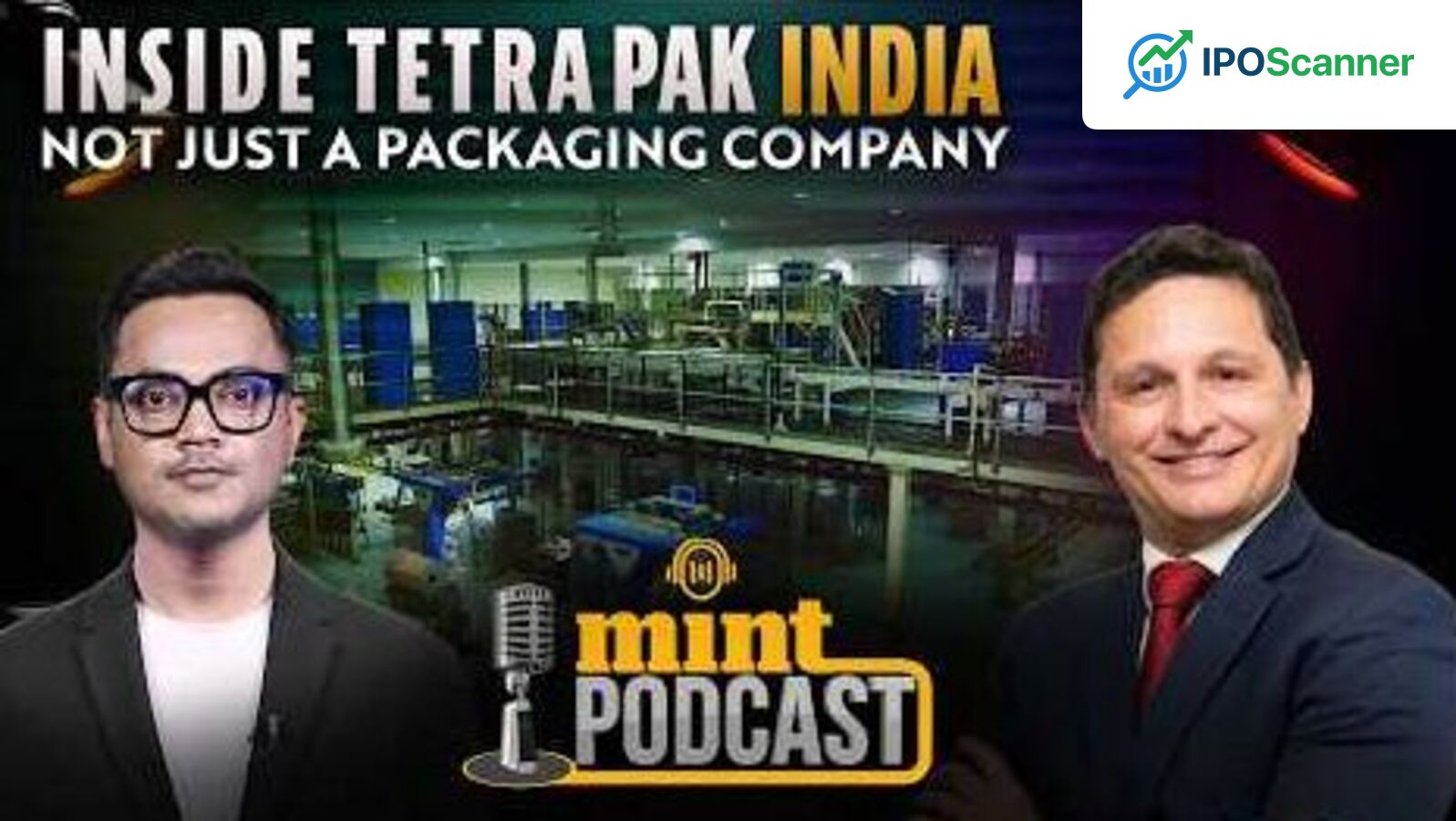
Tetra Pak Expands Operations in India
Tetra Pak's Transformation in India: From Cartons to End-to-End Solutions
Tetra Pak, a name synonymous with cartons in India, has undergone a significant transformation in the country since its entry four decades ago. The company has expanded its operations to encompass food processing, equipment manufacturing, services, automation, and digitalisation, while establishing a robust ecosystem for carton recycling.
At Tetra Pak's facility in Chakan, near Pune, Managing Director of Tetra Pak South Asia, Cassio Simões, explained how the company's role has evolved over the years. In addition to packaging business, Tetra Pak now supplies food processing equipment, automation, and digital solutions, as well as maintenance, marketing support, and recycling ecosystem to food and beverage brands across India. The Chakan plant, operational since 2012, sits at the centre of this shift. Spanning 45 acres, the facility employs around 1,500 people and is Tetra Pak's largest facility outside Sweden.
| Country | Number of Countries | Number of Equipment Pieces Exported |
|---|---|---|
| India | 0 | 0 |
| Rest of the world | 56 | 400 |
Read also: Treasury Yields Experience Largest Increase in Two Weeks Following Release of Labor Market Data
Manufacturing locally has become a critical part of Tetra Pak's strategy in India. Simões stated that 85% of equipment supplied in India is now manufactured at Chakan, with 75% of those components sourced from Indian suppliers. Last year, the plant exported more than 400 pieces of equipment to 56 countries. Local production has lowered costs and helped Indian vendors meet global quality standards.
Tetra Pak tailors its support to different types of customers. Large, established brands receive dedicated account managers and on-site engineering support. Smaller and newer businesses get assistance with formulation, market research, and co-packing through a network of 450 machines across India. This approach reflects a broader shift from supplying packaging to supporting production and operations end-to-end.
The discussion also turned to food waste and shelf life. Simões cited estimates suggesting that roughly 30% of food produced globally is lost or wasted. Better packaging and processing, he argued, can help reduce those losses. Using UHT milk as an example, he explained how six-layer aseptic cartons and ultra-high temperature processing extend shelf life for up to six months without preservatives by eliminating contact with air and external microorganisms, also helping expand its reach into remote areas.
On sustainability, Simões said Tetra Pak has invested approximately €10 million in building recycling infrastructure in India over the past two decades, years before extended producer responsibility rules made such investments mandatory. The network now includes collection points and aggregation centres that help recover used cartons for conversion into secondary materials such as roof tiles and school furniture.
Read also: US-Iran Tensions Spark Uptick in Oil Prices Amid Global Market Decline
The carton remains Tetra Pak's most visible product. Increasingly, however, the company's India business is being shaped by what happens before a package is filled and after it is discarded.
More in Market

Treasury Yields Experience Largest Increase in Two Weeks Following Release of Labor Market Data

US-Iran Tensions Spark Uptick in Oil Prices Amid Global Market Decline

Indian Stocks to Watch: BHEL, Agarwal Industrial, JBM Auto, Rajesh Exports, Indian Energy Exchange, Lenskart Solutions in Market Focus on June 4.