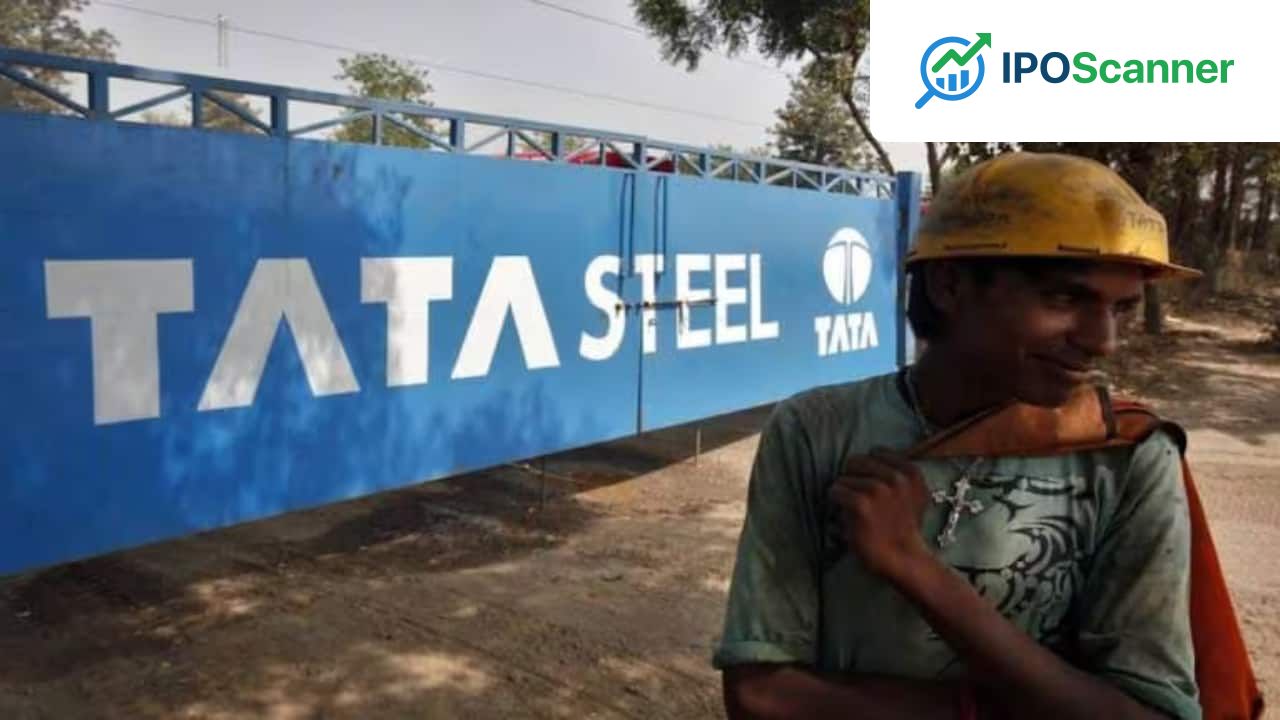
Tata Steel Sees 12% Cost Increase Amid West Asia Crisis, Potential Oil Price Impact on Consumption and Infrastructure Spending
Tata Steel Sees 10-12 Percent Increase in Costs due to West Asian Crisis
Tata Steel's management has reported a significant increase in costs across its Indian and European operations due to the simmering crisis in West Asia. The company has seen a 10-12 percent rise in costs, primarily driven by increased energy prices and inflation in raw material costs.
The impact of the West Asian crisis has been felt across various sectors, including energy, where prices have significantly increased. Tata Steel has also faced inflation in raw material costs, such as limestone, for which West Asia countries are key global suppliers. The company has had to develop alternate sources, as it used to source 70 percent of its limestone from the Middle East for India.
The crisis has also led to an increase in freight costs, insurance costs, and limestone costs. Tata Steel's downstream businesses have been impacted by the shortage of propane, which has been addressed through the organization of alternative gases. In Europe, gas prices have gone up, leading to a cost impact.
Read also: Treasury Yields Experience Largest Increase in Two Weeks Following Release of Labor Market Data
However, the company's management has also sounded an alarm on the potential impact of rising oil prices on the economy. The crisis could further hurt the economy, with the company and the wider Tata Group having exposure to multiple sectors that can face an impact, such as automobiles, consumer goods, and infrastructure spending by governments.
Table: Cost Impact Comparison
| Sector | Original Cost | Post-Crisis Cost | Increase |
|---|---|---|---|
| Energy | 100 | 112 | 12% |
| Raw Materials (Limestone) | 120 | 132 | 10% |
| Freight | 150 | 165 | 10% |
| Insurance | 80 | 90 | 12% |
The company has managed to recover the increase in costs through price increases on its products, as well as through price support due to trade actions, such as India's safeguard duty on imported steel, and the European Union's Carbon Border Adjustment Mechanism (CBAM).
Read also: US-Iran Tensions Spark Uptick in Oil Prices Amid Global Market Decline
The CBAM, which is decoupled from the free trade agreement between India and the EU, is expected to be a lifeline for the European steel industry. The measure has supported prices in the Netherlands and is expected to have a further impact when the quota comes into effect on July 1.
While the company's management has expressed concerns about the potential impact of the crisis on the economy, it has also noted that the increase in costs is being recovered through various means. However, the crisis could still have a cascading effect on the economy, particularly in sectors such as automobiles, construction, and rural economy.
| Sector | Potential Impact |
|---|---|
| Automobiles | Price increases, potential impact on sales |
| Construction | Labor shortages, potential impact on sales |
| Rural Economy | Disruptions to supply of fertilizers, uncertain monsoon, potential impact on sales |
For now, the company is focusing on managing the impact of the crisis and exploring alternative sources to mitigate the effects.
Investor Takeaway
Tata Steel's cost increase due to the West Asia crisis may impact consumption and infrastructure spending.
More in Economy

Treasury Yields Experience Largest Increase in Two Weeks Following Release of Labor Market Data

US-Iran Tensions Spark Uptick in Oil Prices Amid Global Market Decline

MoSPI Releases Uniform Norms for DDP Estimates with 2022-23 Base Year

