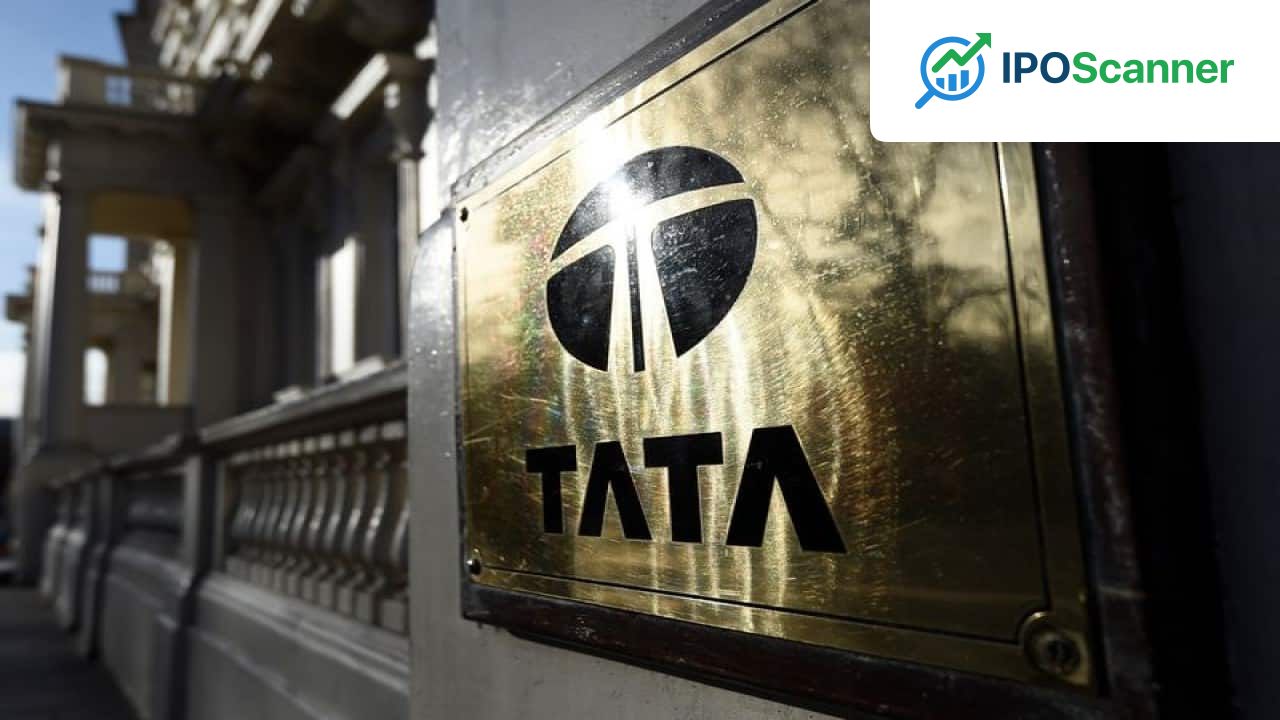
Tata Sons Directors Oppose Mandatory Listing, Reserve Decision for Board
Tata Sons Directors Argue Against IPO, Citing Lack of Benefits
Amid the buzz surrounding the RBI-complied IPO of the $270-billion Tata Group, former Tata Sons directors Ishaat Hussain and R Gopalakrishnan have made a strong case against taking the conglomerate's holding company public. In an article published in The Indian Express on Tuesday, the former directors argued that an IPO should be the decision of the company board, contending that Tata Sons has little to gain from a listing despite renewed debate around a potential public offer.
The authors wrote in The Indian Express that the key arguments advanced in favour of a Tata Sons IPO, such as greater transparency, an exit route for certain shareholders, and the company's perceived importance, do not necessarily justify a listing. According to them, Tata Sons already behaves much like a listed company, publishing its accounts, complying with regulatory requirements, and maintaining governance standards comparable to those of listed entities.
Tata Sons Behaves Like a Listed Company, Argue Former Directors
Read also: Treasury Yields Experience Largest Increase in Two Weeks Following Release of Labor Market Data
Tata Sons has behaved like a listed company even though it was not bound to do so, they wrote, adding that its record of discharging financial and moral obligations exceeds that of many listed companies. "What further transparency is sought to be achieved?" they asked in the article published in The Indian Express. The authors also questioned the notion that listing automatically improves governance, noting that many corporate scams globally and in India occur among 'transparent' public companies.
Forcing Tata Sons to List Would be Unusual
Addressing calls for a listing to provide liquidity to minority shareholder Shapoorji Pallonji Group, Hussain and Gopalakrishnan argued that forcing Tata Sons to go public primarily to facilitate an exit for another private company would be unusual. The consequence of their proposed action will be that a successful private company (Tata Sons) does an IPO to provide an exit to another private company (SP). That seems bizarre, they wrote.
Globally, Companies Are Rarely Compelled to List
Read also: US-Iran Tensions Spark Uptick in Oil Prices Amid Global Market Decline
The former directors further argued that globally, companies are rarely compelled to list and that such decisions are typically left to their boards. Since Tata Sons does not access public funds and can continue operating as an unlisted entity under RBI regulations, they said there is no compelling reason for a mandatory IPO. Recalling discussions held in the early 2000s under Ratan Tata's leadership, the authors said the group had eventually concluded that only TCS should pursue a public listing, which took place in 2004.
| Company | Listing Decision |
|---|---|
| Tata Sons | Against listing |
| TCS | Listed in 2004 |
| Tata Chemicals | Listed |
| Tata Digital | Not listed |
Note: The above table is a comparison of the listing decisions of Tata companies mentioned in the article.
Investor Takeaway
Investors should be cautious about the potential impact of Tata Sons' decision on the company's valuation and future growth prospects.
More in Market

Treasury Yields Experience Largest Increase in Two Weeks Following Release of Labor Market Data

US-Iran Tensions Spark Uptick in Oil Prices Amid Global Market Decline

Indian Stocks to Watch: BHEL, Agarwal Industrial, JBM Auto, Rajesh Exports, Indian Energy Exchange, Lenskart Solutions in Market Focus on June 4.