Tata Capital Reports Decline in Credit Costs Following Artificial Intelligence Integration
Tata Capital Sees Benefits from Artificial Intelligence in Lending Decisions
Mumbai: Tata Capital, the non-banking financial company (NBFC) subsidiary of Tata Sons, has reported a 43% increase in consolidated net profit for the three months through March. The company's total loan book stood at ₹2.7 trillion as on 31 March, up 21% from the previous year.
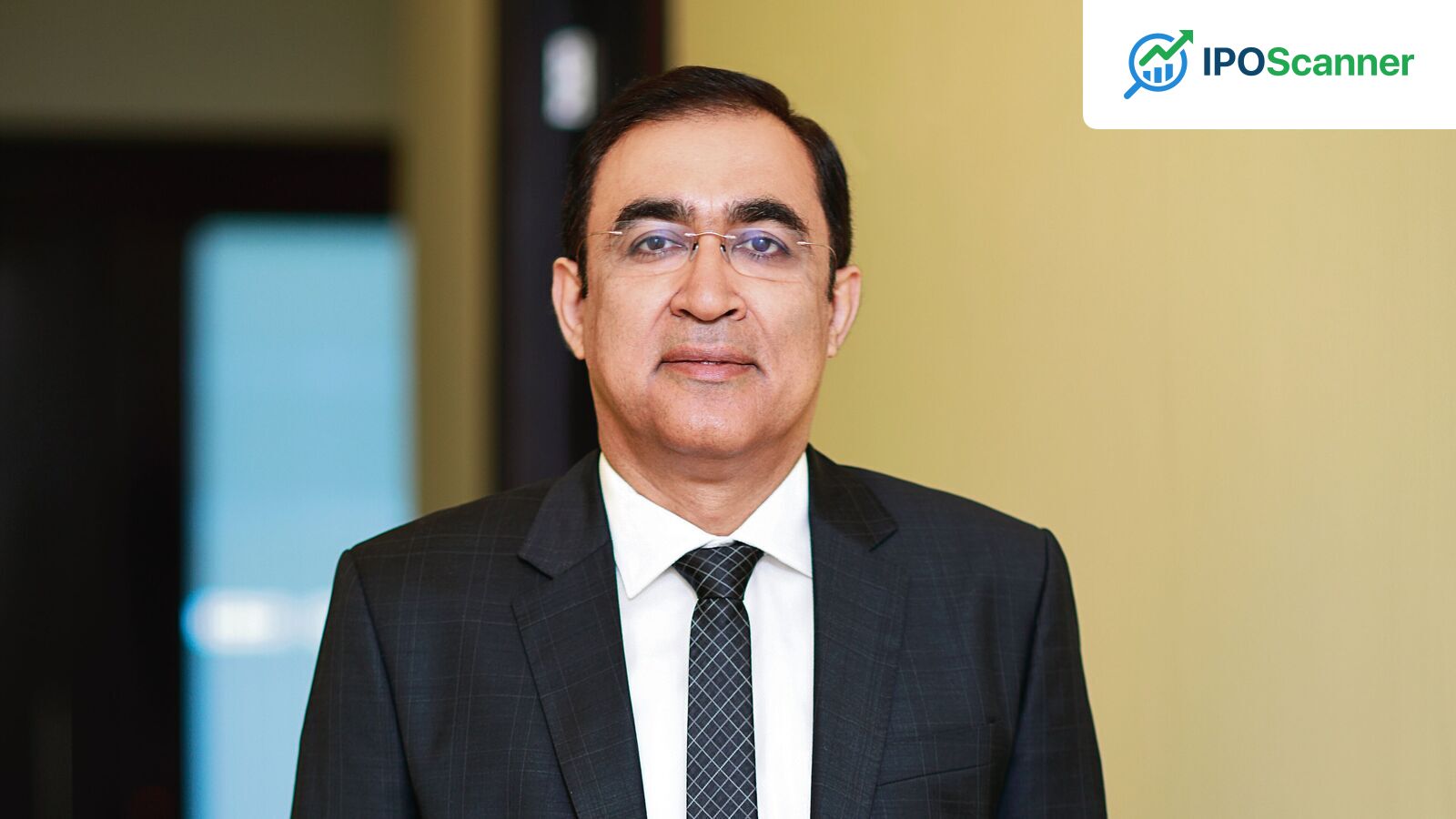
The company's use of artificial intelligence (AI) has been instrumental in strengthening risk management and reducing credit cost. According to Rajeev Sabharwal, managing director and chief executive of the NBFC, the portfolio monitoring platform has helped reduce credit cost by 14 basis points (bps) year-on-year (y-o-y) in FY26. This brings the consolidated credit cost, including the portfolio of erstwhile Tata Motors Finance, to 1.2% in FY26, down 20 bps from FY25.
| Comparison of Credit Cost | FY25 | FY26 |
|---|---|---|
| Credit Cost (bps) | 1.4% | 1.2% |
| Change (bps) | -20 bps | -14 bps |
Read also: Treasury Yields Experience Largest Increase in Two Weeks Following Release of Labor Market Data
Sabharwal emphasized that AI is a tool that can assist in lending decisions, but it is the credit policy and approach that ultimately drive the process. He noted that the company's 'Voice Hub' is being used across sales, service, and retention, with voice AI agents now originating 15% of direct personal loan business and carrying out 90% of welcome calls. Additionally, AI-driven credit assessments now assist underwriting for 80% of the small business portfolio, leading to shorter decision cycles and lifting credit manager productivity by 30%.
Tata Capital's reliance on AI remains a core strategic priority for the organization. The company has reported a consolidated net profit of ₹1,502 crore in the three months through March, up 43% from the same period last year. Sabharwal attributed the company's resilience to the West Asia war to its clients' ability to maintain a stock of raw materials, which has helped them tide over the situation.
However, Sabharwal noted that there has been some impact on cost structures of its customers, particularly in the MSME business. The company is advising its credit team to be more cautious in certain segments within the MSME business and to consider the working capital cycle when making credit decisions.
Investor Takeaway
Tata Capital's AI integration has led to a reduction in credit costs, indicating a positive development for the company.
More in Market

Treasury Yields Experience Largest Increase in Two Weeks Following Release of Labor Market Data

US-Iran Tensions Spark Uptick in Oil Prices Amid Global Market Decline

Indian Stocks to Watch: BHEL, Agarwal Industrial, JBM Auto, Rajesh Exports, Indian Energy Exchange, Lenskart Solutions in Market Focus on June 4.