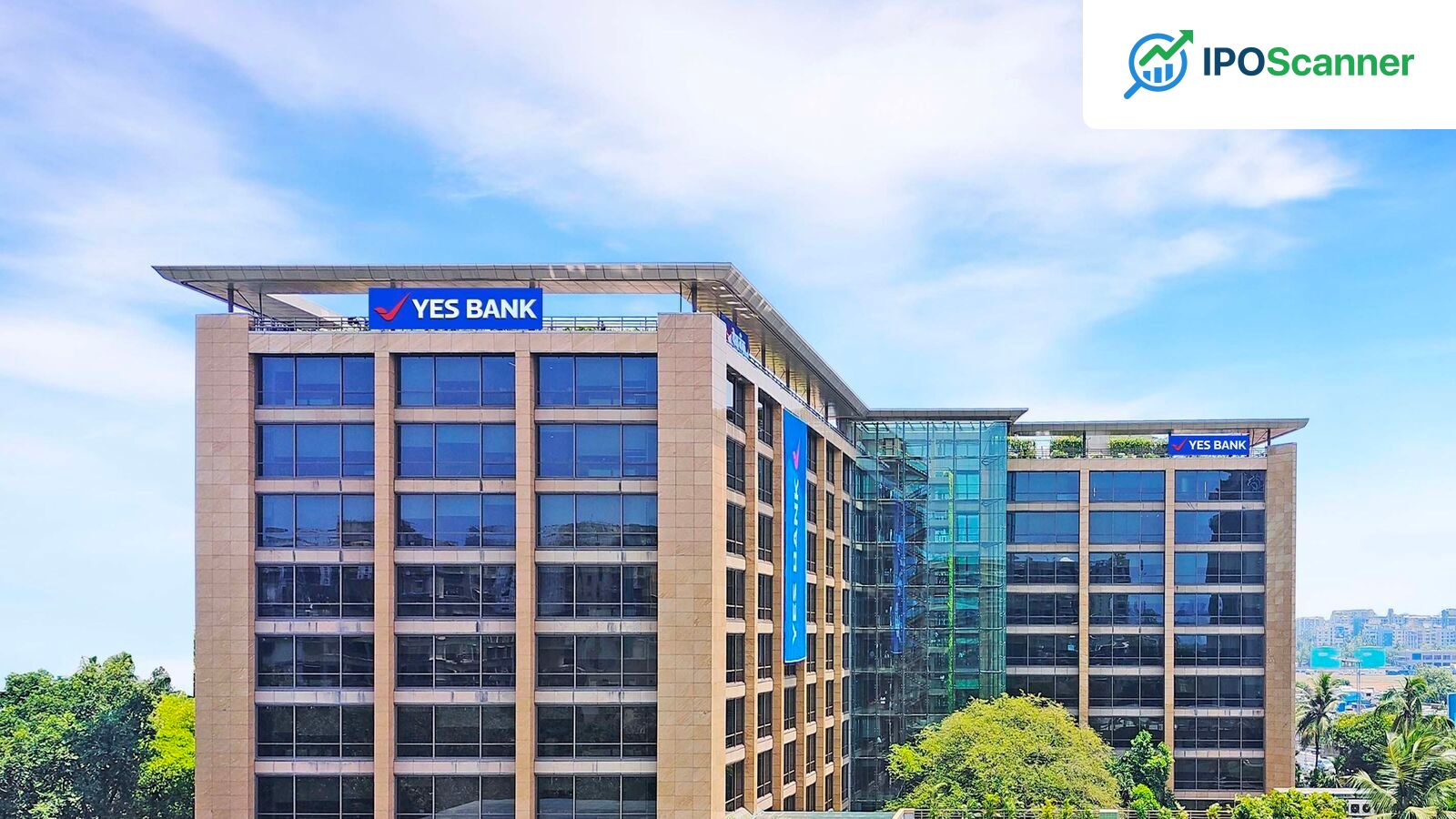
Supreme Court Delays Verdict on Yes Bank's ₹8,415-Crore AT1 Bond Write-Off Case
Supreme Court Reserves Judgment in High-Stakes Yes Bank AT1 Bond Dispute
The Supreme Court has reserved its judgment in the long-running dispute over the ₹8,415-crore write-off of Yes Bank's additional tier-1 (AT1) bonds. The bench, comprising Justices Dipankar Datta and Augustine George Masih, concluded hearings on Wednesday after taking on record Cabinet documents linked to the lender's 2020 reconstruction scheme.
The case has significant implications for future bank resolution mechanisms involving AT1 bonds, which are perpetual instruments designed to strengthen banks' capital buffers and absorb losses during periods of financial stress. Introduced worldwide after the 2008 financial crisis, these bonds have been a crucial component of bank capital management.
Yes Bank's Troubled Past
Read also: Treasury Yields Experience Largest Increase in Two Weeks Following Release of Labor Market Data
Yes Bank had raised ₹3,000 crore through AT1 bonds carrying a 9.5% coupon in December 2016, followed by another ₹5,415 crore issuance carrying a 9% coupon in October 2017. The write-down formed a key component of the bank's reconstruction during a period marked by mounting bad loans, governance concerns, and severe liquidity stress.
| Bank | AT1 Bond Issuance | Coupon Rate | Issuance Date |
|---|---|---|---|
| Yes Bank | ₹3,000 crore | 9.5% | December 2016 |
| Yes Bank | ₹5,415 crore | 9% | October 2017 |
The bench sought Cabinet records connected with the reconstruction process, including Cabinet resolutions, meeting minutes, and related documents. Solicitor General Tushar Mehta, appearing for the Centre, finance ministry, RBI, and Yes Bank, was directed to place these documents on record.
Mehta defended the write-off, arguing it was necessary to preserve Yes Bank and prevent broader financial instability. He warned that any interpretation diluting the loss-absorption feature of AT1 bonds could have "serious, cascading, and irreparable" consequences for the banking system.
Read also: US-Iran Tensions Spark Uptick in Oil Prices Amid Global Market Decline
Senior advocates Neeraj Kishan Kaul and Aryama Sundaram, appearing for Axis Trustee Services and bondholders, argued that the Yes Bank administrator acted unilaterally and exceeded his authority by writing off the ₹8,415 crore of AT1 bonds on his own. Kaul argued that the administrator effectively acted "as monarchs" while taking the decision.
The Supreme Court had previously concluded hearings and reserved its judgment in February but recalled the reserved judgment on 19 May, reopening the matter for fresh hearings after raising certain queries regarding the write-off decision and the role of the RBI and finance ministry.
Yes Bank's crisis unfolded between 2018 and early 2020 amid rising bad loans, governance concerns, and severe liquidity pressures, prompting RBI to impose a moratorium and initiate a rescue plan led by SBI and other lenders. The dispute before the Supreme Court arose from the Bombay High Court's January 2023 ruling, which struck down the March 2020 write-off, holding the move invalid and ruling in favour of the bondholders.
Investor Takeaway
The Supreme Court's verdict on Yes Bank's AT1 bond write-off case may set a precedent for future bank resolution mechanisms.
More in Market

Treasury Yields Experience Largest Increase in Two Weeks Following Release of Labor Market Data

US-Iran Tensions Spark Uptick in Oil Prices Amid Global Market Decline

Indian Stocks to Watch: BHEL, Agarwal Industrial, JBM Auto, Rajesh Exports, Indian Energy Exchange, Lenskart Solutions in Market Focus on June 4.