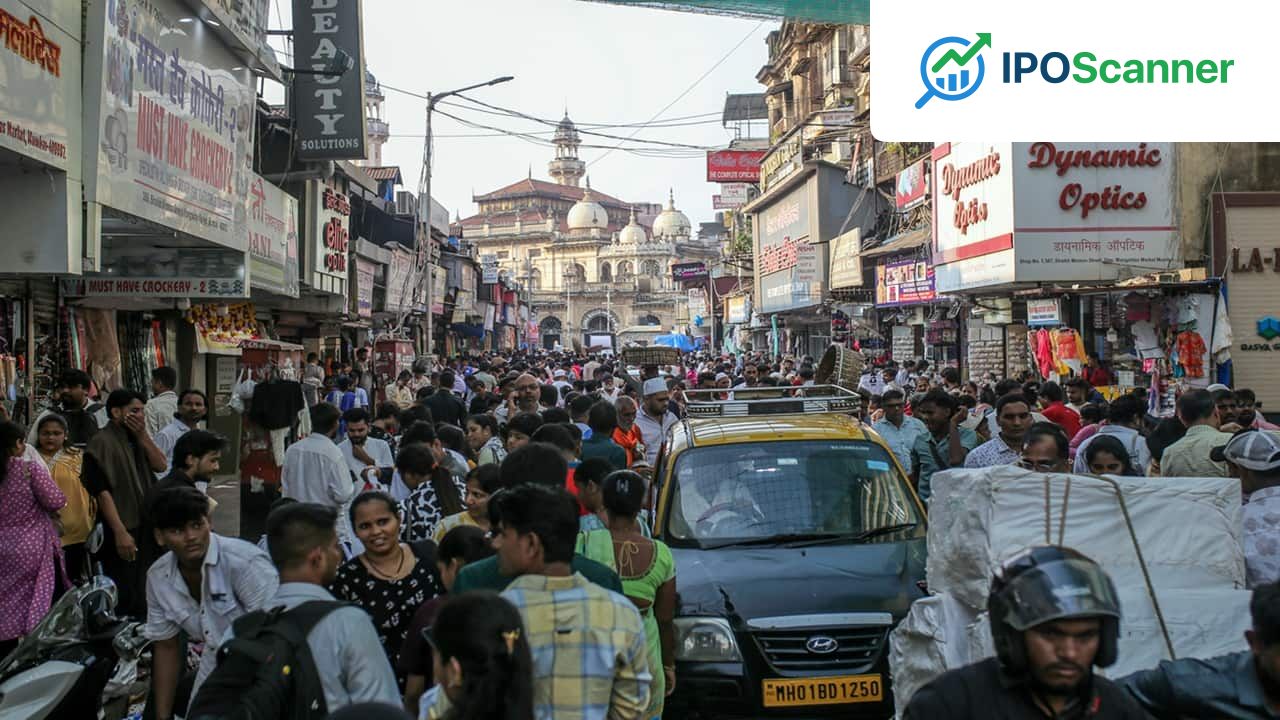
Supply Chain Disruptions Exacerbate Consumerism Crisis
Global Supply Chain Disruptions and the Fragility of Consumption-Driven Economies
The ongoing crisis in West Asia has exposed the fragility of global supply chains, particularly those related to petroleum products. The disruption has triggered panic among the public, highlighting the need for policymakers to address the inherent vulnerabilities in consumption-driven economic models.
Key Statistics:
- Disruptions in global supply chains can have far-reaching consequences, including triggering panic among the public and placing immense pressure on policymakers and the administration.
- The consumption-driven economic model is inherently fragile, with a growing challenge of climate change linked to this model of economic growth.
- The widespread adoption of Western economic frameworks has led to a focus on ever-increasing consumption to drive Gross Domestic Product (GDP), which is treated as the primary measure of economic growth.
Read also: Treasury Yields Experience Largest Increase in Two Weeks Following Release of Labor Market Data
Ancient Indian Thought on Responsible Consumption
Ancient Indian intellectual traditions offer alternative economic frameworks that prioritize restraint in consumption over unchecked growth. The Ashtadhyayi of Panini and the Isha Upanishad, part of the Yajur Veda, provide profound economic insights that emphasize the importance of sharing resources, limiting consumption to what is rightfully earned, and reflecting on deeper questions about wealth and its ownership.
Integral Humanism and an Alternative Development Model
The philosophy of Integral Humanism, articulated by Deendayal Upadhyaya, challenges Western consumer-driven economic frameworks that prioritize profit maximisation and unchecked growth. Instead, it advocates a balanced development model that nurtures both material and spiritual well-being. This approach critiques both capitalist and socialist systems, highlighting the need for a more sustainable and equitable economic model.
Read also: US-Iran Tensions Spark Uptick in Oil Prices Amid Global Market Decline
Key Takeaways:
- The consumption-driven economic model is inherently fragile and vulnerable to disruptions in global supply chains.
- Ancient Indian intellectual traditions offer alternative economic frameworks that prioritize restraint in consumption and sustainable development.
- Integral Humanism provides a philosophical framework for a balanced development model that prioritizes both material and spiritual well-being.
Investor Takeaway
Investors should be cautious of potential supply chain disruptions and their impact on the economy.
More in Economy

Treasury Yields Experience Largest Increase in Two Weeks Following Release of Labor Market Data

US-Iran Tensions Spark Uptick in Oil Prices Amid Global Market Decline

MoSPI Releases Uniform Norms for DDP Estimates with 2022-23 Base Year

