Study Suggests AI Data Centers May be Contributing to Local Temperature Increases
Data Centres' Hidden Cost: Warming the Environment with Excess Heat
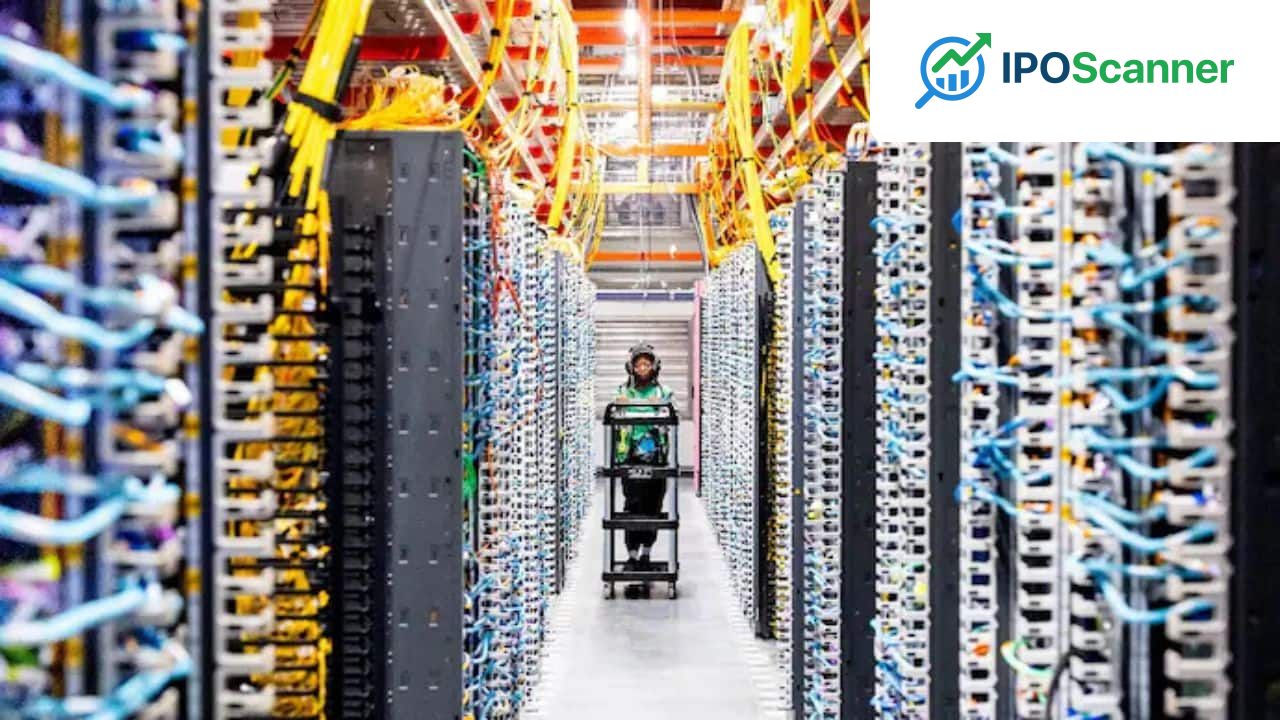
A recent study conducted by researchers from the University of Cambridge and other institutions has shed light on the unintended environmental consequences of the rapid expansion of artificial intelligence. The research suggests that large data centres, which are the backbone of AI operations, can create significant temperature increases in their surroundings, giving rise to what are being described as "heat islands".
According to the findings, the land around some of these facilities can warm by as much as 9°C, with temperature increases observed up to 10 kilometres away from the data centres. This phenomenon is largely attributed to the way these centres operate, with thousands of servers continuously generating large amounts of heat. While cooling systems are designed to manage internal temperatures, the excess heat often gets released into the surrounding environment, altering local temperature patterns over time.
The study estimates that more than 340 million people could be affected by rising temperatures linked to these developments, particularly in regions where data centre activity is expanding quickly. This is not just a matter of comfort, but also a broader concern for the environmental impact. Higher local temperatures can place additional stress on water and energy resources, especially in already warm regions, and affect nearby communities, agriculture, and urban planning decisions.
Read also: Treasury Yields Experience Largest Increase in Two Weeks Following Release of Labor Market Data
The demand driving these facilities is only increasing, with AI systems requiring vast computing power, which in turn depends on more and larger data centres. This creates a difficult balance, as the infrastructure behind AI is raising new questions about sustainability and long-term environmental costs.
Researchers suggest that better cooling technologies, smarter site selection, and stronger regulation could help manage the impact. However, as the AI ecosystem grows, these issues are likely to become more prominent, highlighting the need for a more sustainable approach to data centre development.
| Region | Temperature Increase (°C) | Distance from Data Centre (km) |
|---|---|---|
| Urban areas | up to 9°C | up to 10 km |
| Rural areas | up to 5°C | up to 5 km |
More in Economy

Treasury Yields Experience Largest Increase in Two Weeks Following Release of Labor Market Data

US-Iran Tensions Spark Uptick in Oil Prices Amid Global Market Decline

MoSPI Releases Uniform Norms for DDP Estimates with 2022-23 Base Year

