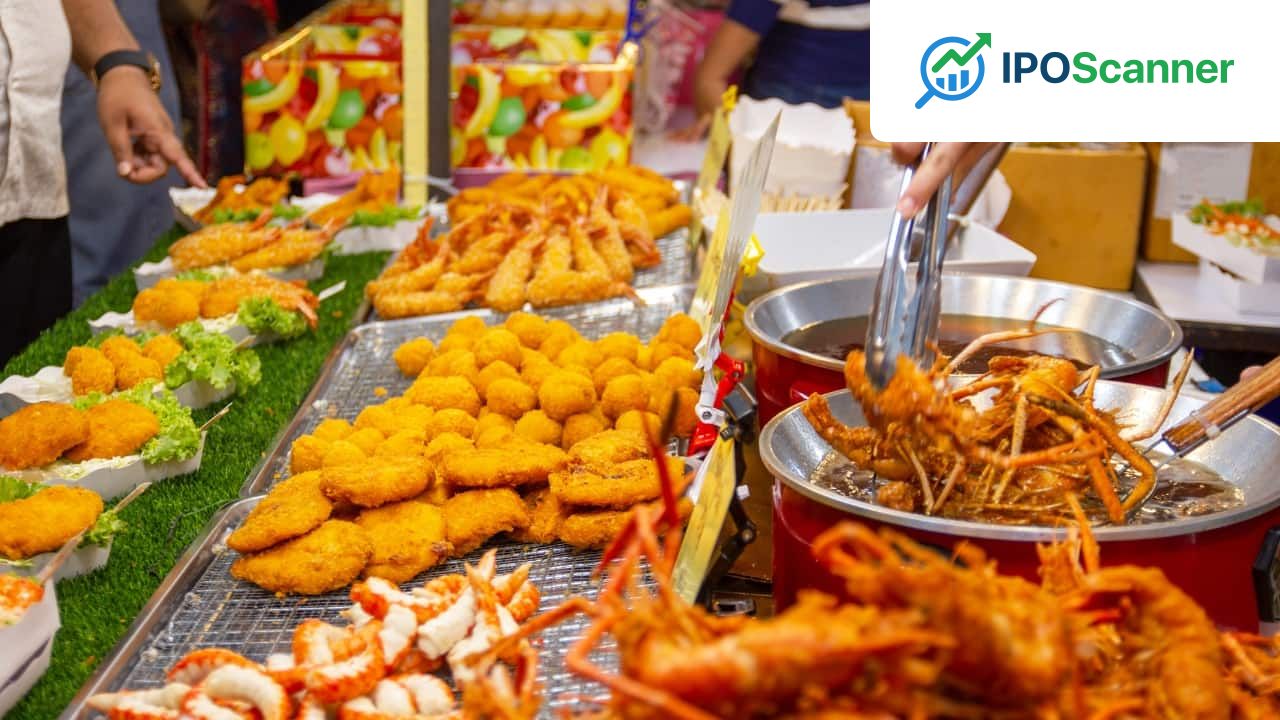
Street Food Prices See Sudden Surge as 57% of Consumers Report Significant Increases
Food Price Increases in India: A Ripple Effect
A recent survey conducted by LocalCircles has revealed that 57% of consumers have reported significant price increases at restaurants and online food delivery vendors in the past week. The largest price hikes were observed for online orders, with 54% of consumers surveyed confirming that street food vendors had increased prices by up to 25%.
The survey, which gathered 38,000 responses from 309 districts across India, found that the price increases were largely driven by the rising cost of LPG (Liquefied Petroleum Gas). Many small food vendors and restaurants are being forced to buy LPG at higher rates or even from the black market, with some vendors paying as much as 400 rupees per kilogram.
To offset these rising costs, many restaurants and eateries have begun adding temporary LPG surcharges to customer bills or increasing menu prices. In some cases, Rs 15 or more has been added as a "LPG revision fee" to each bill. Cities facing severe LPG shortages have seen eateries increase the prices of popular food items, making eating out slightly more expensive.
Read also: Treasury Yields Experience Largest Increase in Two Weeks Following Release of Labor Market Data
The shortage of LPG has had a significant impact on the informal food economy in India, with many street vendors and small eateries reducing their operations or temporarily shutting down due to limited gas cylinder availability. Restaurants and small hotels are also facing operational challenges, with some eateries reducing kitchen activity, menu cuts, and shorter working hours.
Key Statistics:
- 57% of consumers reported significant price increases at restaurants and online food delivery vendors
- 54% of consumers surveyed confirmed that street food vendors had increased prices by up to 25%
- 38,000 responses gathered from 309 districts across India
- 61% of respondents were men, while 39% were women
- 44% of respondents were from Tier 1 districts, 27% from Tier 2, and 29% from Tier 3, 4 & 5 districts
Investor Takeaway
Investors should be cautious of potential inflationary pressures in the FMCG sector due to rising food prices.
More in Economy

Treasury Yields Experience Largest Increase in Two Weeks Following Release of Labor Market Data

US-Iran Tensions Spark Uptick in Oil Prices Amid Global Market Decline

MoSPI Releases Uniform Norms for DDP Estimates with 2022-23 Base Year

