MarketMar 16, 2026
Stock Markets in Turmoil: Staying Calm Amid Volatility
WhiteOak Capital Mutual Fund Report: "When the World Feels Dangerous: Why Your Portfolio Shouldn't Panic"
Key Findings:
- Geopolitical shocks create temporary sentiment-driven volatility rather than permanently damaging long-term market returns.
- Investors often underestimate the frequency of global crises and their subsequent market recoveries.
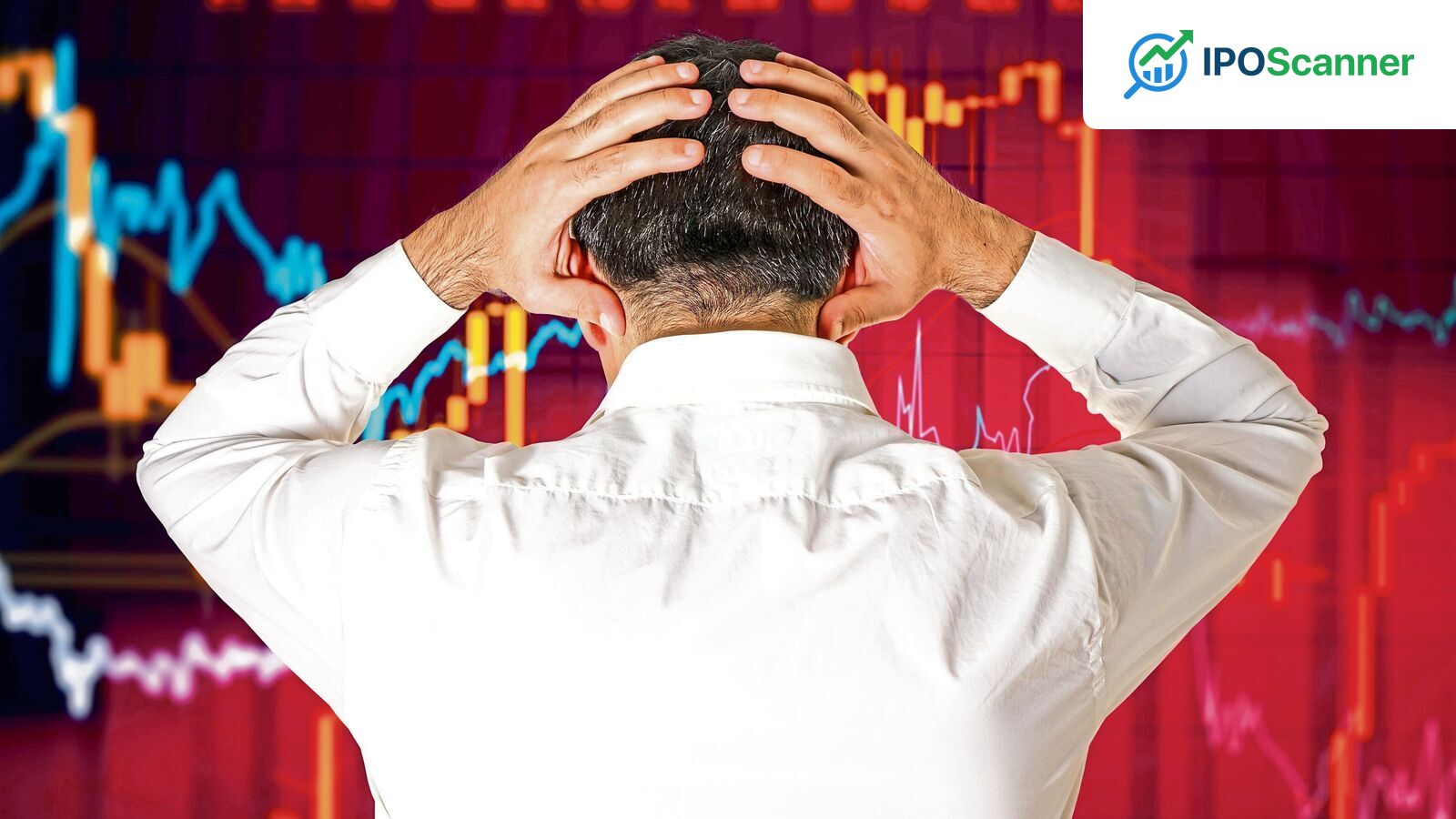
- The biggest risk during crises is not the fall in markets but the emotional reaction of investors.
Understanding the Impact of Panic Selling:
Read also: Treasury Yields Experience Largest Increase in Two Weeks Following Release of Labor Market Data
- Most long-term investment damage occurs due to panic selling, not market falls.
- Investors often go through a predictable three-stage cycle:
- Panic Sell: Exiting equities after markets have fallen significantly.
- Frozen Wait: Waiting for clarity before reinvesting, which rarely arrives.
- Painful Miss: Missing out on strong market recoveries while waiting to reinvest.
The Power of Disciplined Asset Allocation:
- Investors should follow a pre-defined asset allocation strategy based on their financial goals and risk tolerance.
- Rebalancing is key to capturing long-term market recoveries by systematically buying assets when they are cheaper.
- A disciplined approach helps investors avoid panic selling and focus on portfolio allocation rather than daily price movements.
Practical Framework for Responding to Crises:
Read also: US-Iran Tensions Spark Uptick in Oil Prices Amid Global Market Decline
- Before a crisis: Define asset allocation based on financial goals and set rebalancing bands (±5%).
- During a crisis: Focus on portfolio allocation rather than daily price movements and review the portfolio periodically.
- After a crisis: Review whether the investor followed their strategy and adjust as needed.
Example:
- A moderate investor allocates 65% to equities, 25% to debt, and 10% to gold.
- During market declines, equities automatically become a smaller portion of the portfolio, creating a natural opportunity to rebalance and buy equities at lower prices.
Key Takeaways:
- Markets historically recover from geopolitical shocks due to businesses adapting and economies continuing to function.
- Investors should focus on portfolio allocation rather than reacting to headlines or daily price movements.
- A disciplined approach to asset allocation and rebalancing can help investors capture long-term market recoveries and avoid wealth destruction.
Investor Takeaway
Investors should remain calm during geopolitical crises and avoid making impulsive decisions.
More in Market

Market·1h ago
Treasury Yields Experience Largest Increase in Two Weeks Following Release of Labor Market Data

Economy·2h ago
US-Iran Tensions Spark Uptick in Oil Prices Amid Global Market Decline

Market·3h ago
Indian Stocks to Watch: BHEL, Agarwal Industrial, JBM Auto, Rajesh Exports, Indian Energy Exchange, Lenskart Solutions in Market Focus on June 4.
Market·4h ago
