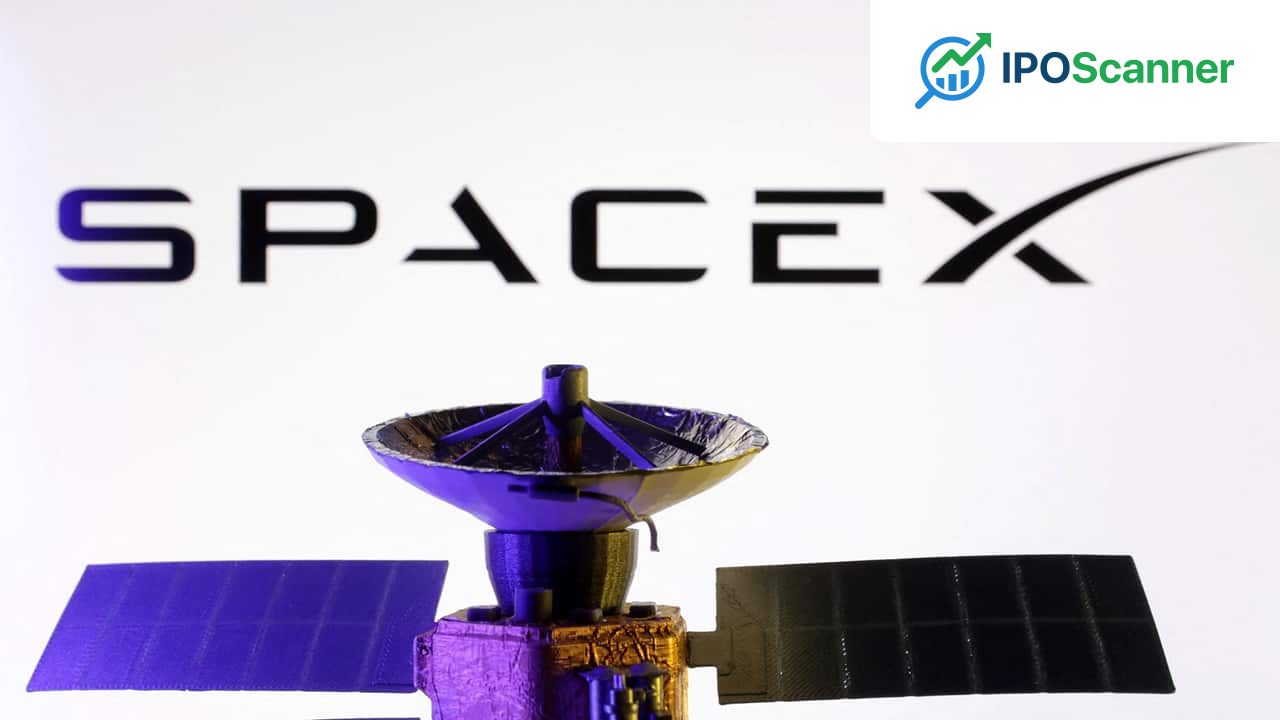
SpaceX Valued at $135 Per Share: Expert Raises Concerns Over Rich Pricing
SpaceX Valuation Estimates Leave Room for Skepticism
Veteran valuation expert Aswath Damodaran has expressed reservations about the estimated valuation of SpaceX, a company set to hit the public markets. According to Damodaran, the estimated valuation of $1.8 trillion is "too richly priced" for his liking, with his own valuation estimate ranging from $1.25 to $1.35 trillion for the company's equity.
Damodaran's valuation barely budged from his early estimate of $1.2 trillion, despite gaining access to SpaceX's full financials for the first time. The NYU professor now pegs the company's equity value at around $1.3 trillion, translating to roughly $100 a share instead of the $135 in the prospectus.
The filing, Damodaran says, expanded the scale of the opportunity but also highlighted greater execution risks. His valuation remains well below the roughly $1.8 trillion price tag. This gap is notable given SpaceX generated less than $7 billion in operating earnings last year, even after adjusting for interest costs and its massive R&D spending.
Read also: Nifty Falls Over 260 Points, Suggests Weak Market Open Amid Global Selloff and Middle East Tensions
| Business Segment | Damodaran's Valuation |
|---|---|
| Launch Business | Strongest operation from a profitability standpoint |
| Starlink | Primary growth engine with improving margins and a rapidly expanding subscriber base |
| AI | Biggest question mark with a more conservative estimated addressable market of $3 trillion-$4 trillion |
A closer look at the business segments explains why Damodaran remains constructive. The launch business is seen as SpaceX's strongest operation from a profitability standpoint, helped by the cost advantages of reusable rockets. Starlink, meanwhile, has emerged as the company's primary growth engine, with improving margins and a rapidly expanding subscriber base.
Damodaran's scepticism about AI is evident, with an estimated addressable market of $3 trillion to $4 trillion, a fraction of the $26 trillion opportunity outlined by the company. This scepticism also feeds into his margin assumptions, with a sharply cut forecast for AI to 25% from 45%, citing fierce competition, rising infrastructure costs, and the expensive nature of delivering AI services at scale.
Damodaran also pushes back against critics who dismiss SpaceX purely on conventional valuation metrics. Focusing on the company's losses or its lofty revenue multiple misses the real debate, he argues. For a business at SpaceX's stage of development, the more important questions revolve around market size, competitive positioning, and future profitability rather than current earnings.
Read also: Nifty, Sensex Expected to Open Lower Amid Global Technology Selloff
Even so, Damodaran is not rushing to buy the stock. At the IPO valuation, he believes SpaceX is trading above his estimate of fair value. However, he points to examples such as Meta and Uber, both of which suffered steep declines after listing before eventually recovering, as a reminder that even highly sought-after IPOs can offer better entry points once the initial hype fades.
Investor Takeaway
Investors should be cautious of SpaceX's rich pricing and potential cash burn.
More in Market
Nifty Falls Over 260 Points, Suggests Weak Market Open Amid Global Selloff and Middle East Tensions
Nifty, Sensex Expected to Open Lower Amid Global Technology Selloff
Tata Trusts to Review Financial Performance of Air India and Tata Digital Ahead of Tata Sons Board Meeting