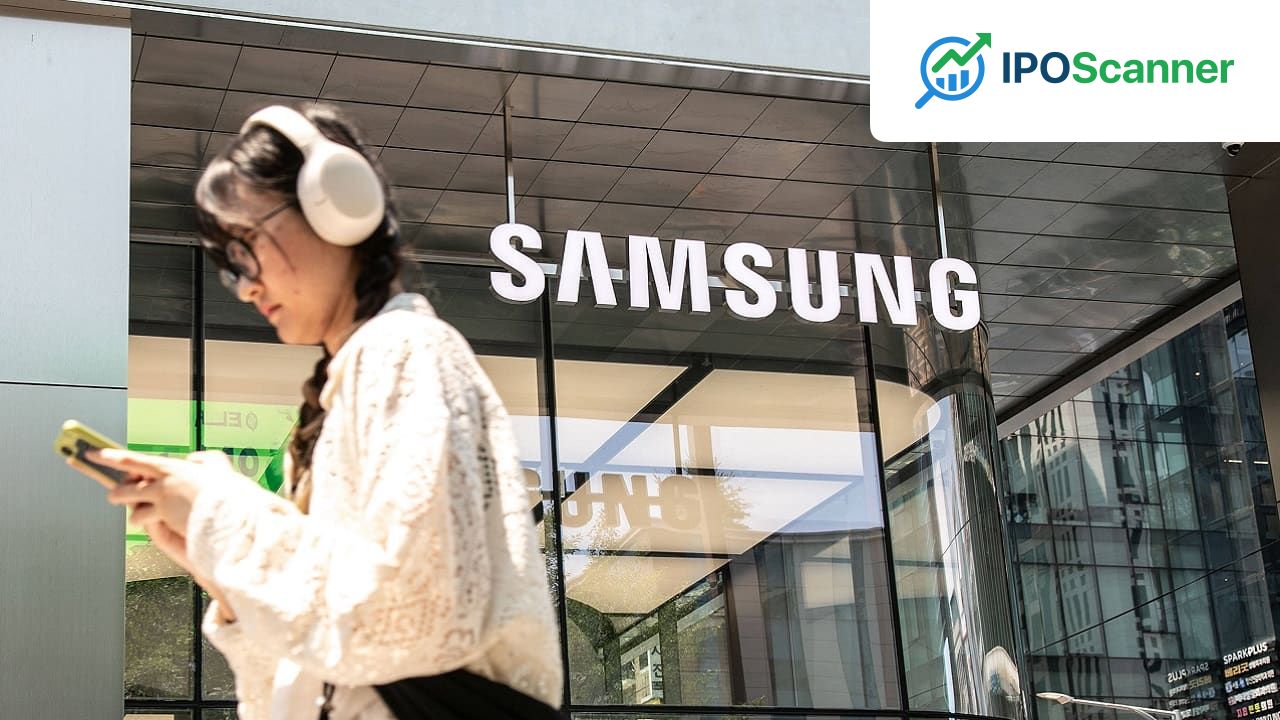
South Korea Considers Dividend-Like Payments to Citizens from AI-Generated Revenues
South Korean Policymaker Proposes "Dividend" on AI Profits
A top South Korean policymaker has suggested that the nation should pay citizens a "dividend" using taxes on AI profits, sparking a sharp reaction in the country's stock market.
The comments made by presidential policy chief Kim Yong-beom in a Facebook post on Tuesday fueled a 5.1% drop in the benchmark Kospi index, although it later pared losses as investors clarified that the proposal was to tap "excess tax revenue" generated from the AI boom, rather than impose a new windfall levy on corporate profits.
Shares in Samsung Electronics Co., South Korea's largest conglomerate, fell 2.3%, while SK Hynix Inc., the world's second-largest memory chipmaker, dropped 2.4%. The Kospi index closed down 2.3%.
Read also: Treasury Yields Experience Largest Increase in Two Weeks Following Release of Labor Market Data
The proposal is the latest example of politicians calling attention to the risks of widening the gap between the haves and have-nots in the face of the AI boom. In South Korea, the concern has surfaced in public calls for industry leaders to share more of the spoils of the global AI infrastructure rollout.
Samsung is forecast to post 330 trillion won ($220 billion) in operating profit this year, which would make it the world's second-most profitable company, after Nvidia Corp.. SK Hynix is projected to post 239 trillion won of profit in 2026, making it one of the world's most profitable companies.
Asian economies want to provide a signal of ownership of the AI boom, according to Franklin Templeton Institute senior investment strategist Christy Tan. "That concept is essentially redistributing the benefits of AI and advancements to citizens," Tan said.
Kim's proposal involves creating a designated dividend fund to build a stronger social foundation for Korea and alleviate inequalities for citizens. The fund could be used to support entrepreneurship, youth education, and richer pensions for seniors or funding for artists.
Read also: US-Iran Tensions Spark Uptick in Oil Prices Amid Global Market Decline
The size of any potential dividend and other details on how Kim's proposals might be implemented are not immediately clear. However, investors took notice, with the Kospi index shedding more than $300 billion in value in the time it usually takes to watch one soccer match.
| Company | 2026 Projected Profit |
|---|---|
| Samsung Electronics Co. | 330 trillion won |
| SK Hynix Inc. | 239 trillion won |
The sudden reversal of the Kospi index shows how jittery sentiment has become following a rally that lifted the benchmark index nearly 86% this year through Monday. While optimism remains strong, foreign investors withdrew 5.6 trillion won worth of Kospi shares on Tuesday, bringing their selling for the month to 14.4 trillion won.
"Policy chief Kim's post was easy to draw misunderstanding from the market at such a moment," said Kim Dojoon, chief investment officer at Zian Investment Management.
South Korean stocks have already surpassed their world-beating rally of 2025, with the gains predominantly driven by Samsung and SK Hynix, whose shares have more than doubled this year.
If Samsung and SK Hynix meet estimates and post a combined profit of roughly 500 trillion won this year, they could pay more than 100 trillion won in annual corporate taxes, according to Lim Jae-kyun, an analyst with KB Securities Co. That revenue could exceed the roughly 100 trillion won the government has estimated for the nation's total 2026 corporate tax collection.
President Lee Jae Myung's administration has emphasized "inclusive" growth, with policies aimed at boosting household income, regional development, and support for small businesses and startups.
Investor Takeaway
Investors should be cautious of potential policy changes affecting tech stocks in South Korea.
More in Economy

Treasury Yields Experience Largest Increase in Two Weeks Following Release of Labor Market Data

US-Iran Tensions Spark Uptick in Oil Prices Amid Global Market Decline

MoSPI Releases Uniform Norms for DDP Estimates with 2022-23 Base Year

