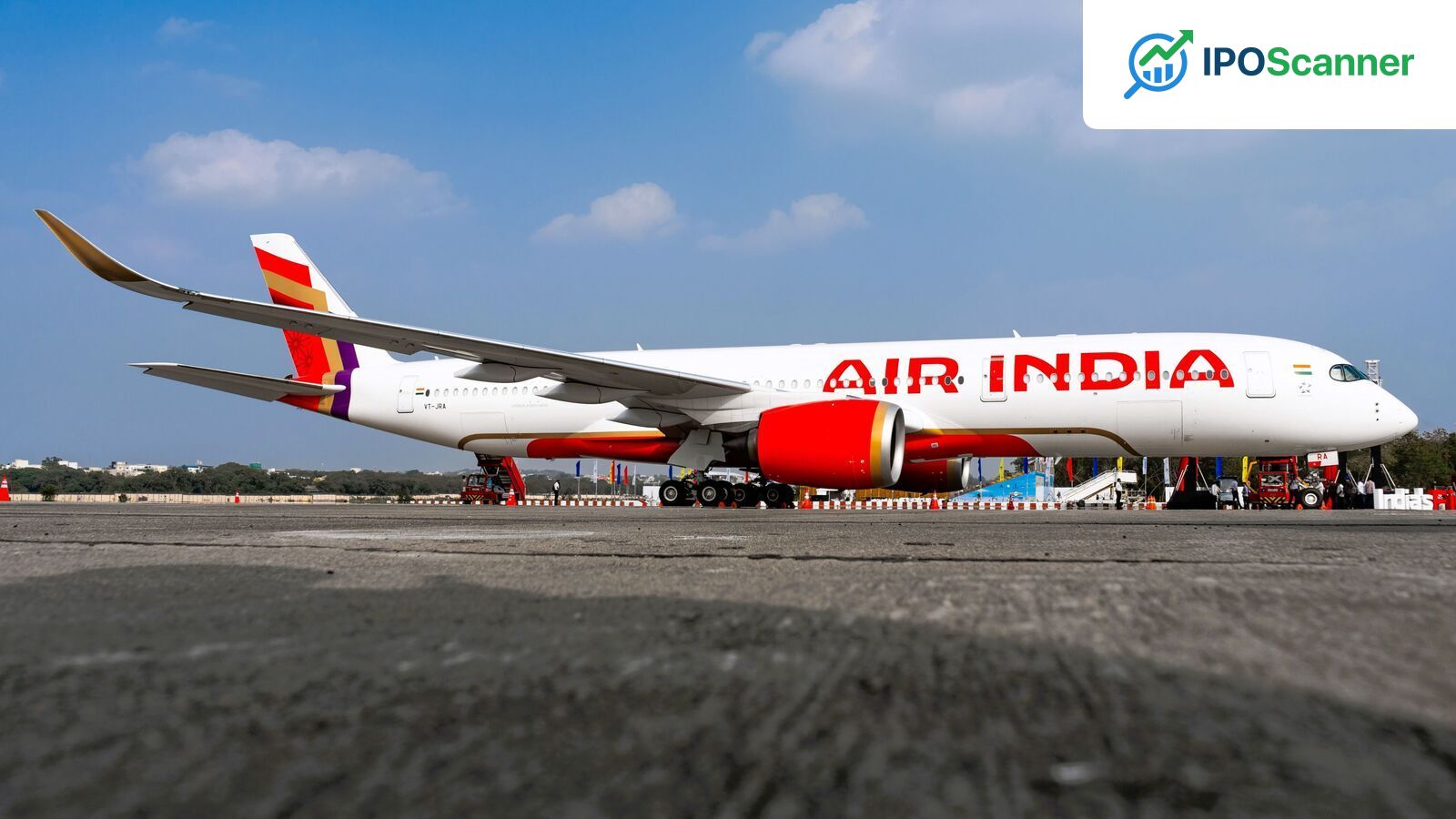
Singapore Airlines Says Pakistan's Airspace Closure Had Greater Impact on Air India Than Foreign Carriers
Singapore Airlines Cites Pakistani Airspace Closure as a Major Hit for Air India
New Delhi: Singapore Airlines' chief executive, Goh Choon Phong, has highlighted the significant impact of Pakistani airspace closure on Air India's operations. This issue has plagued Indian carriers since April last year, and Goh noted that Air India, in which Singapore Airlines owns a 25.1% stake, faces the same challenges as other airlines, including supply chain delays, aircraft deliveries, and the West Asia conflict.
However, Goh pointed out that Air India is uniquely affected by the closure of Pakistani airspace, which affects only Indian-based operations. This has resulted in longer flying hours for Indian airlines to Europe and North America, impacting their operational costs. In October, Air India's chief, Campbell Wilson, stated that losses due to the continued closure of Pakistani airspace for a full year were approximately ₹4,000 crore.
Comparison of Air India's Losses
Read also: Treasury Yields Experience Largest Increase in Two Weeks Following Release of Labor Market Data
| Financial Year | Losses Due to Pakistani Airspace Closure |
|---|---|
| FY25 | ₹1,333 crore |
| FY26 | ₹4,000 crore |
According to Singapore Airlines' annual report filed on Thursday, Air India is expected to report a loss of almost $3 billion (S$3.76 billion), or roughly ₹28,400 crore, in FY26, almost three times that of FY25. The airline's June 2025 air crash and the depreciation of the Indian rupee against the US dollar have also impacted its performance.
Singapore Airlines also cited supply chain disruptions causing delays in fleet renewal and cabin retrofitting, as well as the West Asia war, which increased fuel costs, disrupted flight routes, and affected markets. These issues, categorized as "external factors," have affected Air India's ability to increase airfares on international routes, which are up 40% year-on-year, and on domestic routes, which are up 15%.
Air India may not have the bandwidth to increase airfares, and Singapore Airlines should have pushed for fleet replacement to bring in operational efficiency. A fuel-efficient fleet would bring down maintenance and operational costs by 15-20%, said Gagan Dixit, senior vice president - aviation, chemicals, oil & gas at Elara Capital.
Read also: US-Iran Tensions Spark Uptick in Oil Prices Amid Global Market Decline
The airline's past 12 months have been difficult, with mounting losses amid multiple operational challenges. As part of its cost-cutting measures, the airline scrapped some international routes and deferred increments and bonuses for staff. Singapore Airlines maintained that Air India was a part of its global multi-hub strategy and remains committed to supporting its transformation.
Investor Takeaway
Air India's inability to use Pakistani airspace may have put the airline at a disadvantage against foreign carriers.
More in Market

Treasury Yields Experience Largest Increase in Two Weeks Following Release of Labor Market Data

US-Iran Tensions Spark Uptick in Oil Prices Amid Global Market Decline

Indian Stocks to Watch: BHEL, Agarwal Industrial, JBM Auto, Rajesh Exports, Indian Energy Exchange, Lenskart Solutions in Market Focus on June 4.