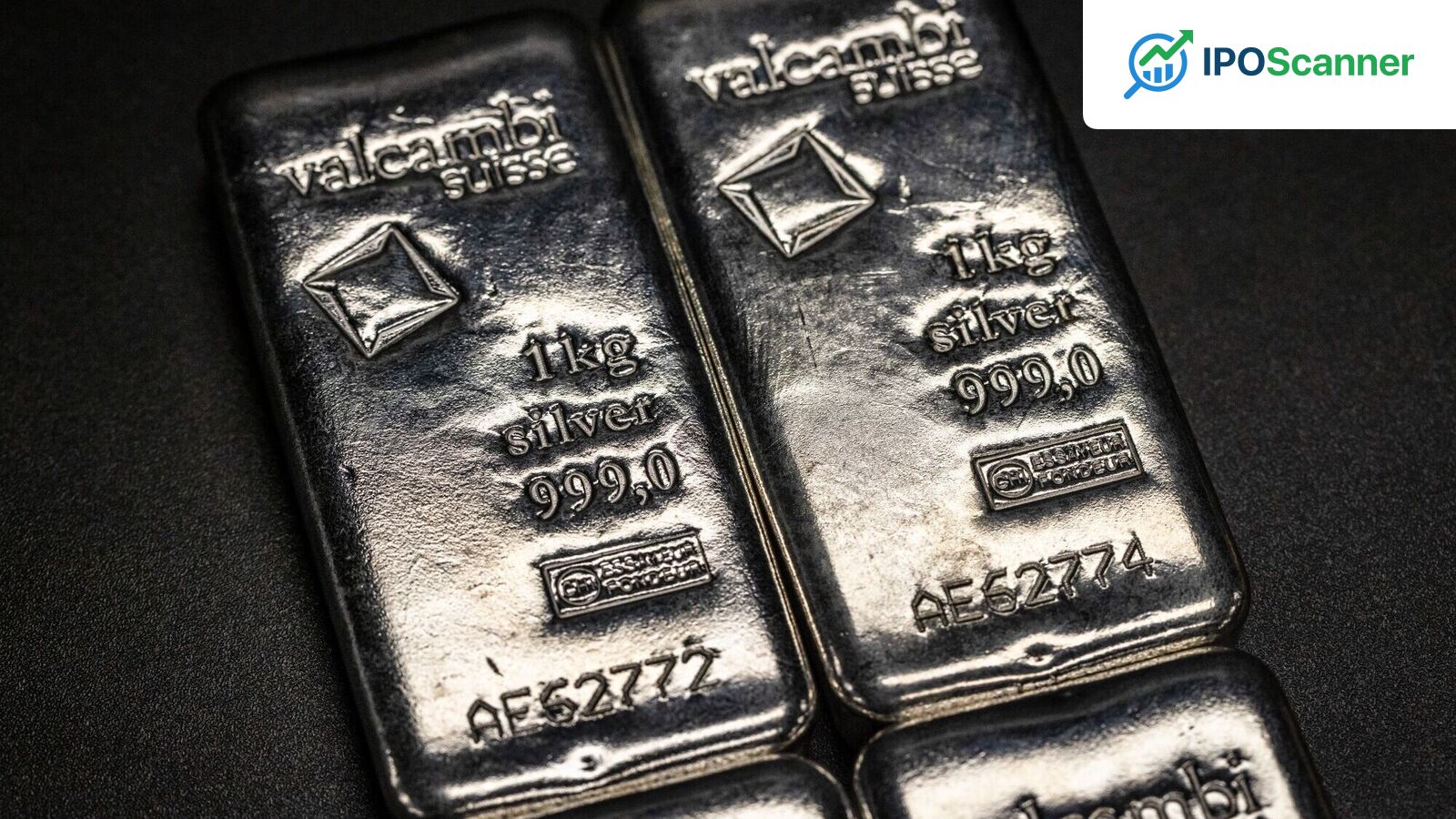
Silver Price Falls 1% as Dollar Gains Strength, Fed Rate Cut Hopes Fading Amid Middle East Tensions
Silver Rate Declines as Geopolitical Tensions and Strong US Dollar Weigh on Investor Sentiment
On Monday, April 6, the silver rate in India declined, tracking a broader fall in precious metals. The weakness in silver came despite intensifying geopolitical tensions in the Middle East, which lifted oil prices and raised concerns about inflation. The gold price also fell on the Multi Commodity Exchange (MCX).
According to the MCX, the silver rate lost 1.2% to ₹2,29,651 per kg, while the gold price fell 0.9% to ₹1,48,298 per 10 grams. In the international markets, spot silver fell 1% to $72.28 per ounce, while spot gold dropped 1.2% to $4,620.68 per ounce. U.S. gold futures for April delivery also slipped 0.7% to $4,647.10. Other precious metals also traded lower, with spot platinum shedding 0.5% to $1,979.42, and palladium edging 0.1% higher to $1,504.34.
The decline in silver and other precious metals can be attributed to the rising 10-year U.S. Treasury yield and the dollar index, which made dollar-priced bullion more expensive for overseas buyers and reduced the appeal of non-yielding assets such as gold and silver. The pressure on precious metals also intensified after hopes of U.S. interest rate cuts faded further.
Read also: Treasury Yields Experience Largest Increase in Two Weeks Following Release of Labor Market Data
| Market | Silver Rate Change | Gold Rate Change |
|---|---|---|
| MCX | -1.2% | -0.9% |
| International | -1% | -1.2% |
| U.S. Gold Futures | -0.7% | N/A |
The escalating war in the Middle East has heightened concerns around energy supply disruptions and inflation risks, which further extended gold's losses. Additionally, a surprise drop in U.S. jobless claims reduced expectations that the Federal Reserve would ease monetary policy anytime soon. Fresh U.S. labour market data, released by the Bureau of Labor Statistics on Friday, showed that nonfarm payrolls in March rose by the most since the end of 2024.
The stronger-than-expected jobs data is likely to reinforce the Federal Reserve's focus on inflation risks, especially at a time when higher oil prices are adding to price pressures. This has significantly changed interest rate expectations, with traders now almost completely pricing out any chances of a Fed rate cut this year. Before the Iran war began, markets had been expecting two rate reductions in 2026. A higher-for-longer interest rate outlook is typically negative for non-yielding assets such as gold and silver, which tend to perform better in a low-rate environment.
Geopolitical tensions remained in sharp focus on Monday, with U.S. President Donald Trump threatening to rain "hell" on Tehran if it did not reopen the Strait of Hormuz by Tuesday, a critical route for global oil shipments. The continued U.S.-Israeli war with Iran has disrupted global energy supplies, keeping crude prices elevated. Oil prices opened higher on Monday and stayed above $110 per barrel, adding another layer of concern for financial markets. The jump in crude prices has heightened fears of rising inflation, which can offset the appeal of gold as a hedge against inflation by increasing the opportunity cost of holding non-yielding precious metals.
Read also: US-Iran Tensions Spark Uptick in Oil Prices Amid Global Market Decline
More in Economy

Treasury Yields Experience Largest Increase in Two Weeks Following Release of Labor Market Data

US-Iran Tensions Spark Uptick in Oil Prices Amid Global Market Decline

MoSPI Releases Uniform Norms for DDP Estimates with 2022-23 Base Year

